
The 1998 Best Picture winner Shakespeare in Love, currently drawing strong streaming numbers on Netflix, remains a widely discussed film for its charm and wit. Centered on the fictional romance between William Shakespeare and Viola, the lead actress played by Gwyneth Paltrow, the movie’s success has reignited conversations around its surprising Oscar victory against powerful contenders in the same year.
The Unexpected Triumph of a Romantic Comedy at the Oscars
Shakespeare in Love is a romantic comedy about the playwright William Shakespeare falling in love with the woman who inspires his writing of Romeo & Juliet. While Joseph Fiennes’s portrayal of Shakespeare was solid, it was Gwyneth Paltrow’s role as Viola that truly captured attention, marking her breakthrough performance. Despite strong competition, including films like Out of Sight, The Truman Show, and Saving Private Ryan, the movie secured 13 Oscar nominations, more than any other film that year.
Among the most formidable contenders was Steven Spielberg’s Saving Private Ryan, which premiered in theaters in late July 1998 to widespread critical acclaim. Known for its intense and graphic depiction of the Omaha Beach invasion during World War II, it was celebrated as possibly the greatest war film ever made. By the time the awards season began, many expected it to dominate, anticipating an easy Best Picture win given its intensity and craftsmanship.
How Miramax Shifted the Oscar Narrative
Miramax Studios, led by Harvey Weinstein, aggressively promoted Shakespeare in Love as more than just a romantic film, framing it as a tribute to acting and the creative process. Weinstein’s strategy targeted the Academy’s actors branch particularly, emphasizing the film’s love story and strong performances over the war epic’s gritty realism.
While Saving Private Ryan enjoyed massive box office success as 1998’s highest-grossing domestic movie, Weinstein’s team ran a relentless public relations campaign that included pressuring the cast and crew of Shakespeare in Love to make numerous media appearances. According to a publicist mentioned in a 2017 Vanity Fair article,
“He really was kind of a beast.”
– Vanity Fair publicist
As part of this campaign, consultants were hired to denigrate Saving Private Ryan among Academy voters. DreamWorks publicist Terry Press recalled having to inform Spielberg about these tactics and that
“Steven said to me, ‘I do not want you to get down in the mud with Harvey.’”
– Terry Press, DreamWorks publicist
Weinstein’s intense desire for the Oscar was reflected by his decision to take a producing credit on the film despite minimal creative involvement. The dark underside of this campaign gains further gravity considering Weinstein’s sexual harassment of Gwyneth Paltrow during the filming of 1996’s Emma, a fact not widely known at the time but now casting a troubling shadow over the Oscar push. Additionally, some controversy surrounded Judi Dench’s win for Best Supporting Actress for her brief role as Queen Elizabeth I, which many found disproportionate to her screen time.
Oscar Night Surprises and Unlikely Outcomes
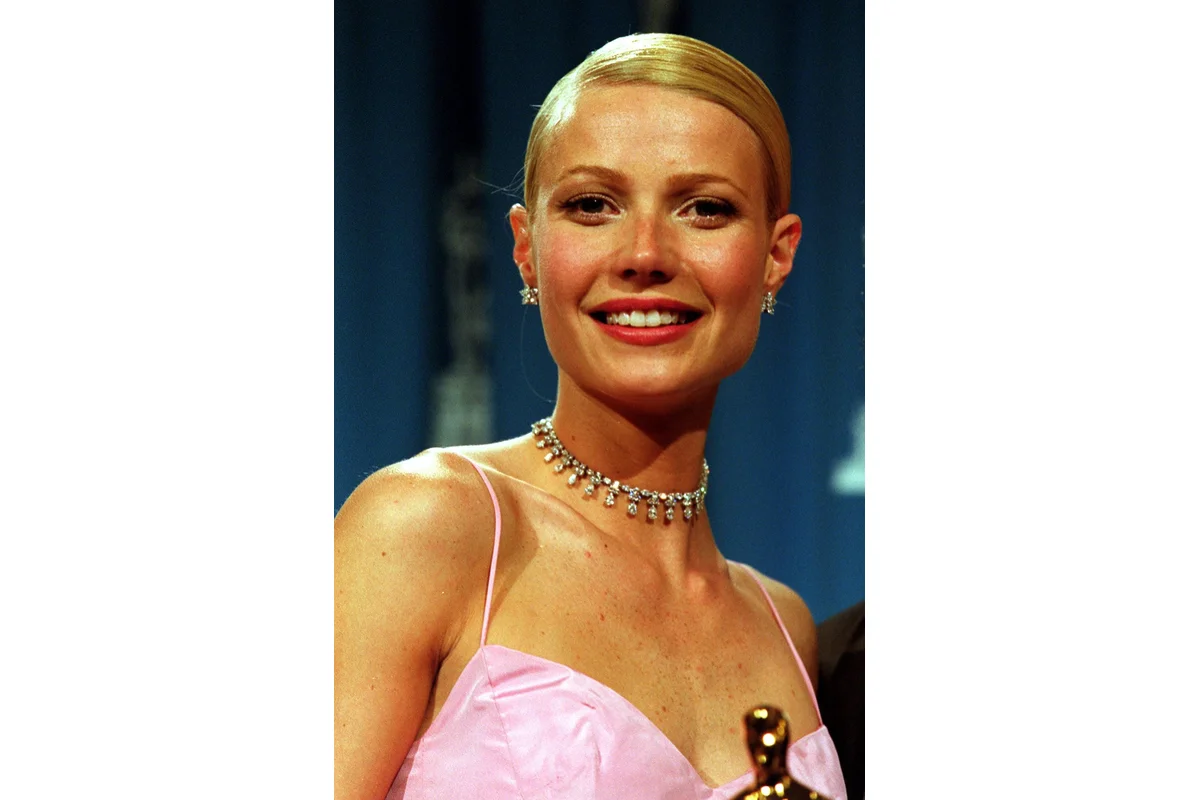
On the night of the awards, Gwyneth Paltrow unexpectedly overtook Cate Blanchett as the frontrunner for Best Actress and won the award. The Best Picture race between Shakespeare in Love and Saving Private Ryan was highly competitive. Though the latter had momentum from winning the Producers Guild award and Spielberg picked up Best Director, the Academy’s definite choice remained uncertain.
In a memorable moment at the Dorothy Chandler Pavilion, Harrison Ford, a frequent Spielberg collaborator who was tasked with announcing the Best Picture winner, mistakenly announced Shakespeare in Love, stunning the audience. This moment symbolized the film’s upset victory, backed by Weinstein’s intense campaigning. The public relations blitz paid off as Weinstein exuberantly accepted the Oscar, drawing criticism for how the campaign overshadowed the film’s merit.
Despite enjoying the film for its humor and charm, many viewers today find it baffling that Shakespeare in Love triumphed over Saving Private Ryan, a film now considered a landmark in war cinema. A 2015 poll by The Hollywood Reporter found a majority of Academy voters would now choose Saving Private Ryan as Best Picture, revealing the lingering debate over the 1998 awards outcome.
The Lasting Impact of the 1998 Oscar Race
The controversy surrounding the 1998 Oscars continues to be a significant chapter in Hollywood history, highlighting how campaigning and studio influence can sway awards. For Gwyneth Paltrow, the victory marked a pivotal moment in her career, introducing her to a broader audience and solidifying her place in the film industry.
Meanwhile, the success of Shakespeare in Love on platforms like Netflix signals ongoing interest in the film’s blend of romance, humor, and historical fiction. The renewed streaming attention during Oscar season reiterates the enduring curiosity about how this romantic comedy managed to overcome a technically superior and widely acclaimed competitor.
