
Sean Connery’s retirement from acting was heavily influenced by his experience filming the 2003 superhero movie The League of Extraordinary Gentlemen. After a distinguished 40-year career that began with his iconic role in 1962’s Dr. No, Connery found the making of this film so unpleasant that it ended his desire to continue acting. Despite later offers, including a call from Steven Spielberg to reprise a role in the Indiana Jones franchise, Connery decided against returning to the screen.
Before becoming an actor, Connery followed an unconventional path, including a short soccer career and time spent in the Navy. When he eventually entered show business, he became a global superstar, mostly due to his portrayal of James Bond. Yet, Connery’s ambitions extended beyond that character; he worked to avoid being typecast and took on more complex and darker roles throughout his career. This versatility was praised by directors like Sidney Lumet, who noted Connery as one of the rare actors capable of excelling as both a leading man and a character actor.
The League of Extraordinary Gentlemen’s Troubling Production and Reception
The League of Extraordinary Gentlemen utilized characters from Alan Moore and Kevin O’Neill’s comic book series but ventured into an original storyline, a decision later viewed as a significant error. Despite the success of some Moore adaptations like Watchmen, which received mixed acclaim, The League of Extraordinary Gentlemen is often cited as one of the worst superhero films ever made. The movie brought together several famous literary characters, including Allan Quatermain, Mina Harker from Dracula, Dr. Jekyll and Mr. Hyde, Dorian Gray, Tom Sawyer as a secret agent, and Captain Nemo. They were tasked with stopping a dangerous terrorist named The Fantom, played by Richard Roxburgh, who threatened to ignite a global conflict.
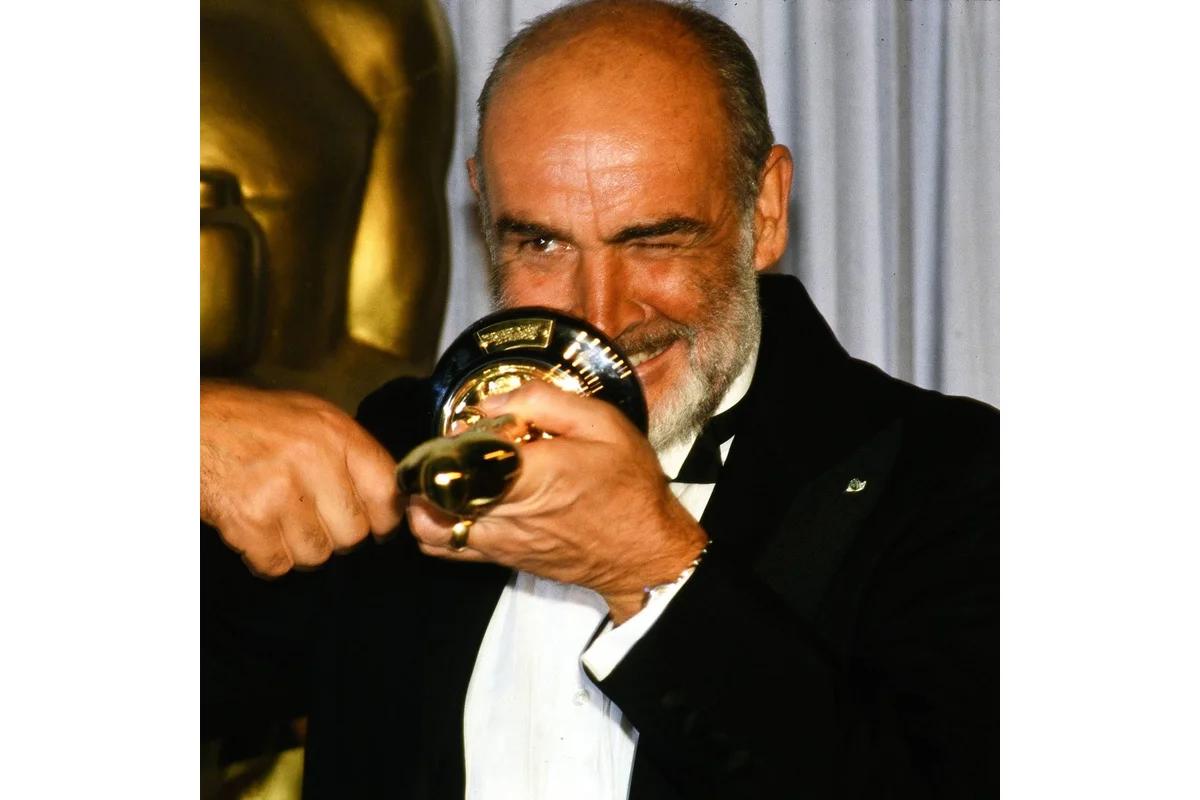
The film was directed by Stephen Norrington, who had earned respect for his earlier work on the 1998 film Blade. However, despite Norrington’s previous success, the 2003 film failed to impress critics or audiences. Its storytelling, pacing, and tone were widely criticized, leading to a poor reputation that overshadowed Connery’s role as the team’s leader. The contrast between Connery’s star power and the film’s negative reception underscored how disappointing the project had become.
Connery’s Reaction to the Film and Decision to Leave Acting
Financially, The League of Extraordinary Gentlemen was not a disaster; it earned $179 million worldwide against a budget of $78 million. Still, the critical response was scathing. BBC’s Jamie Russell described the movie as
“nothing more and nothing less than an extraordinary waste of time and money.”
Renowned film critic Roger Ebert criticized the film for its confusing plot and illogical character motivations, calling it “a mess” filled with
“incomprehensible action, idiotic dialogue, inexplicable motivations, causes without effects, effects without causes, and general lunacy.”
Despite these harsh reviews, the film holds a 17% rating on Rotten Tomatoes, which seems generous considering its reputation.
Sean Connery’s frustration stemmed less from the box office or criticism and more from his experience during filming. Speaking to British Paper The Times, via Den of Geek, Connery described the production as a nightmare and remarked,
“The experience had a great influence on me. It made me think about showbiz. I get fed up with dealing with idiots.” – Sean Connery, Actor
He specifically called director Stephen Norrington “insane,” indicating deep dissatisfaction with how the film was handled. This dissatisfaction ultimately led to Connery’s decision to retire from acting. Not wanting to return to the stress and frustration of movie sets, he declined an invitation from Steven Spielberg to appear in the 2008 film Indiana Jones and the Kingdom of the Crystal Skull, explaining in a letter,
“In the end, retirement is too damn much fun.” – Sean Connery, Actor
Legacy of Connery’s Last Live-Action Role
The League of Extraordinary Gentlemen stands as Sean Connery’s final live-action film appearance. His last portrayal of James Bond was actually in a 2005 video game, while his only post-retirement on-screen contribution was voice work in the critically panned 2008 animated film Sir Billi. Though not the farewell performance many would have hoped for from a star of his caliber, this film marked the end of a remarkable career that helped define and evolve the spy genre in cinema.
Connery’s retirement underscored the fragility of even the most storied acting careers, revealing how a difficult filmmaking experience can alter even the most dedicated artist’s trajectory. His decision to step away from acting after this challenging project removed one of cinema’s most iconic figures from the screen, leaving fans to reflect on his vast contributions over several decades.
As the world remembers Sean Connery’s extraordinary body of work, The League of Extraordinary Gentlemen remains a poignant chapter illustrating how an unhappy project can profoundly impact an artist’s choices and legacy.
