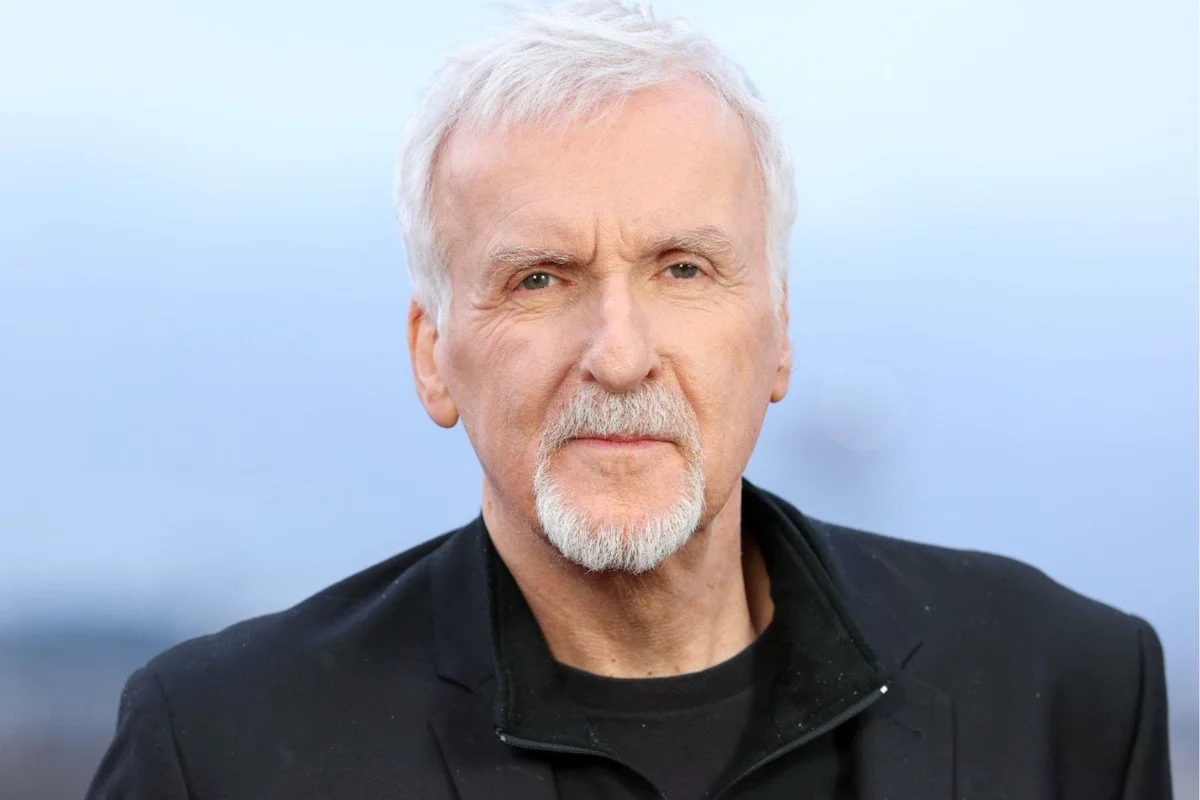
James Cameron embraces leadership change, inspired by Ron Howard’s example. [Image Source: ESTATICOS-MARCA]
James Cameron, the renowned filmmaker, recently discussed a significant shift in his leadership style during a podcast conversation. Known for his demanding nature on set in the early years of his career, Cameron revealed how his perspective on managing cast and crew evolved over time. The director credited fellow filmmaker Ron Howard with influencing this transformation, particularly in how he communicates appreciation and fosters teamwork. This change in approach marks a crucial moment in James Cameron leadership change, reflecting a deeper understanding of collaboration in filmmaking.
Lessons Learned from Titanic and Diverse Teams
The experience of directing Titanic played a pivotal role in Cameron’s growth. Working alongside a wide range of professionals, many experts in fields unrelated to film, such as engineering and aerospace, gave him new insight into how people value their work differently. Cameron shared,
“Everybody in that room, they were all PhDs, they were all top engineers, aerospace people… they all felt they were doing something very important in the world. And none of them went to the movies. They just didn’t care,”
highlighting the disconnect between his passion for cinema and the priorities of his diverse team.
This exposure helped Cameron realize that while filmmaking was his passion, it wasn’t the ultimate priority for everyone involved. He acknowledged,
“It’s a thing that I love to do, but I know how important my family is.”
This awareness was a turning point in balancing his professional drive with empathy for the people around him.
Influence of Ron Howard’s Supportive Leadership Style
Cameron reflected on observing Ron Howard’s behavior on the set of Apollo 13. Howard’s willingness to openly praise and encourage his team left a lasting impression on Cameron. He recounted,
Image of: James Cameron
“And I watched him just say to people, ‘This stuff is amazing. You guys are great,’ and I thought, ‘Wow, I probably should have done that a few times, over the years.’”
The gesture was simple but deeply impactful, prompting Cameron to reconsider how he led his own productions.
The Impact of a Sabbatical and Changing Perspectives
After years of intense focus on his work, Cameron took a seven-year break from directing. This sabbatical provided him with time to rethink his leadership approach and the impact of his high expectations on his team. He admitted,
“In the early days, where I did put the film first above all things, there were interactions I would have that I’d feel guilty about later. At that time, I had a righteous sense of having been aggrieved by someone who was supposed to do something and didn’t do it, and it was compromising the art.”
Cameron elaborated on how this mindset caused friction, stating,
“It was compromising the film and I was the person responsible for getting that film made. So then that person became… I don’t want to say my enemy, that they became a problem.”
Stepping away allowed him to develop a more forgiving and team-centered approach to leadership.
Embracing a More Collaborative and Supportive Environment
Upon his return, Cameron reshaped how he interacts with his team, prioritizing collective success over individual blame. He explained,
“Now, I think, ‘Okay if we’re a good enough team, we can take up and compensate for any mistake that has happened. And blame doesn’t help.’”
This shift has fostered a supportive atmosphere on his film sets, encouraging mutual respect and camaraderie.
He further described this transformation:
“I’ve completely rewritten my program of how I interact with everybody on my team and I think we have a good kind of familial feeling around the team,”
adding that
“People feel good about their work. It’s a very sort of communal effort. I think that’s a fundamental paradigm shift in terms of how you perceive the process.”
Significance of Cameron’s Leadership Evolution
James Cameron leadership change represents more than just a personal adjustment; it reflects a broader recognition of the importance of empathy and communication in creative collaboration. By adopting a leadership style that values encouragement and teamwork, Cameron has set an example for others in the film industry. This approach may influence how future directors manage their productions, fostering healthier work environments and potentially improving overall project outcomes.