
Clint Eastwood, despite being a towering figure in Hollywood both as an actor and filmmaker, is often debated as an underrated talent when it comes to his acting prowess. His name frequently arises in conversations about an actor whose true range and depth were not fully recognized by awards bodies, even after decades of delivering memorable roles that defined several key archetypes and genres.
A Legacy Overshadowed by Typecasting and Award Snubs
For many years, Eastwood was widely perceived as repeatedly portraying variations of a single character type: the stoic, rugged, and laconic figure who combined toughness with dry wit. This image, while iconic, resulted in critics and audiences alike overlooking the nuances in his performances. Yet, Eastwood’s continued success in the industry—spanning diverse roles and creative endeavors—demonstrates his ability to adapt and evolve beyond that stereotype.
Though he has received 11 Academy Award nominations and won four Oscars, only two of those nods were for his acting, specifically in Unforgiven and Million Dollar Baby. His Golden Globe wins and Bafta nominations, by contrast, reflect his directing and producing skills rather than his acting. This disparity raises questions about whether Eastwood was genuinely overlooked for his performances or if those portrayals simply did not meet the highest expectations set for award recognition.
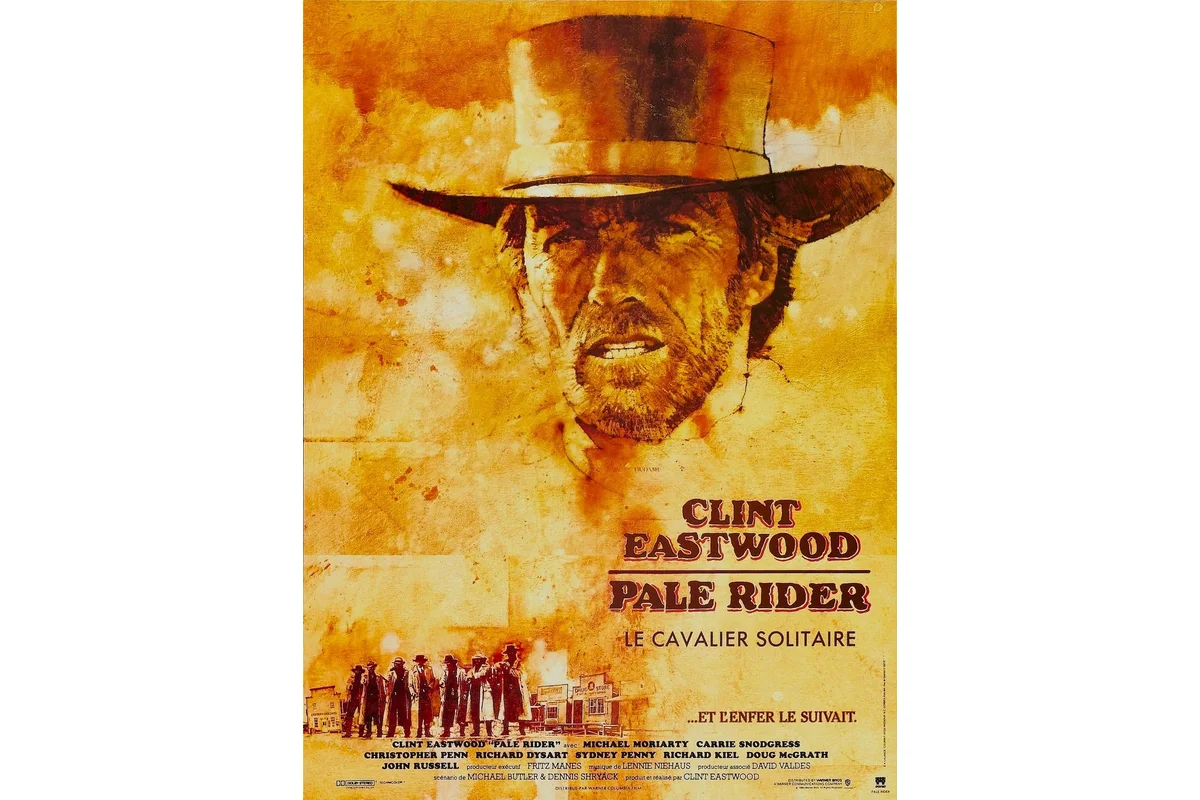
Memorable Characters That May Have Missed Out on Greater Recognition
Characters such as ‘The Man with No Name,’ ‘Dirty’ Harry Callahan, Walt Kowalski, Josey Wales, Frank Horrigan, and Frankie Dunn have all become cultural touchstones thanks to Eastwood’s portrayals. While these roles were delivered with conviction and left lasting impressions on audiences, some critics argue that they may lack the qualities typically deemed award-worthy. The discussion continues on whether Eastwood’s performances, intensely celebrated by fans, deserved more formal accolades.
The Overlooked Performance in Thunderbolt and Lightfoot
One specific example of Eastwood feeling snubbed was his role in Michael Cimino’s 1974 film Thunderbolt and Lightfoot. The movie showcased a dynamic pairing between Eastwood and Jeff Bridges as two partners planning a heist, highlighting their chemistry and sparring dynamic. Bridges received a ‘Best Supporting Actor’ nomination, but Eastwood did not receive an acting nod, which reportedly frustrated him deeply.
Paul Lippman, Eastwood’s close friend and business associate, revealed that Eastwood was openly upset at the Academy’s oversight.
“Not so much because Jeff had been nominated,”
he explained.
Clint would never show such prejudice in public, but because the Academy had passed him up.
– Paul Lippman, Friend and Business Partner
Though Eastwood delivered a strong performance, the 1974 Oscar lineup for Best Actor included roles like Art Carney in Harry and Tonto, Albert Finney in Murder on the Orient Express, Dustin Hoffman in Lenny, Jack Nicholson in Chinatown, and Al Pacino in The Godfather Part II. Critics and historians generally agree that it would have been difficult to replace any of these nominees with Eastwood without controversy.
Assessing Eastwood’s Impact and Recognition in Hollywood
Ultimately, Clint Eastwood’s career reflects an actor who may not always have received full awards recognition but who contributed significantly to American cinema both in front of and behind the camera. While some of his most famous roles might have been seen as repetitive, he evolved as an actor, revealing more emotional depth as his career progressed.
The debate over Eastwood as an underrated actor underscores broader tensions around award systems and how they value varied types of performances. What remains clear is Eastwood’s unmistakable influence on film history and popular culture, regardless of whether every Oscar nomination mirrored his fans’ admiration and respect for his acting craft.
