
David Fincher has become almost inseparable from the world of serial killer films, carving out a distinct niche within this dark genre over the years. Since his 1995 crime thriller Seven, Fincher has drawn audiences into the unsettling psychological realm of killers. His 2007 film Zodiac further cemented his reputation by chronicling one of history’s most infamous serial killers, while the Netflix series Mindhunter explored the FBI’s early profiling of such criminals. Fincher’s name is now closely tied to these types of stories, making him synonymous with the genre.
Fincher’s Own Acceptance of Typecasting in Serial Killer Stories
Although being typecast might frustrate many artists, Fincher has openly admitted to Playboy that he embraces it, saying,
“I know that if a script has a serial killer, or any kind of killer, I have to be sent it. I don’t have any choice.”
While the association limits some options, he values strong material and welcomes scripts that meet his standards. The challenge for him arises with projects outside his comfort zone, as he stated plainly,
“I have a problem with material.”
The Director’s Ventures Beyond Thrillers and Their Mixed Results
While Fincher is best known for his dark thrillers, he has tried other genres with varying success. Fight Club, often labeled as a thriller, defies easy categorization with its complex layers. He also directed two vastly different biopics—The Social Network and Mank—and the romantic fantasy The Curious Case of Benjamin Button. However, these films did not resonate with audiences or critics as strongly as his more tense and suspenseful work, indicating his clear preference for darker storytelling.
Genres Fincher Avoids and Reasons Behind His Choices
Fincher has outlined specific genres he deliberately avoids. He is critical of conventional romances, especially star-driven stories where
“two people fall in love just because they’re the stars and their names are above the title.”
Similarly, superhero films do not appeal to him, partly because
“so many other people are doing that.”
Most significantly, Fincher rejects comedy outright, explaining,
“I don’t like characters who try to win me over. I don’t like being ingratiated. I don’t like obsequiousness.”
This rejection clarifies his focus on exposing humanity’s darker sides rather than diluting his narratives with humor.
Fincher’s Approach to Storytelling and Upcoming Projects
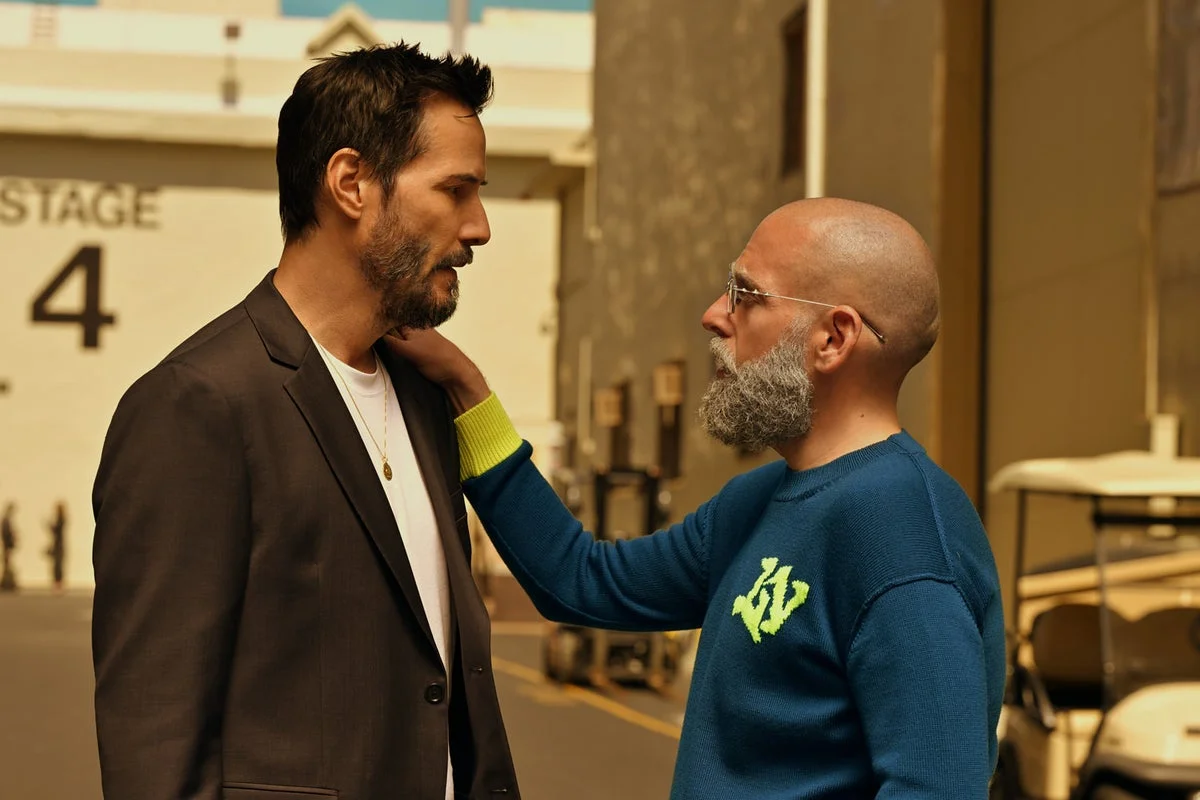
Consistently, Fincher’s films reveal the underbelly of human nature, opting to disturb rather than comfort viewers. His story choices reflect a desire to explore unsettling truths instead of offering escapism. Nonetheless, an exception appears forthcoming: in 2026, he is set to direct a project that leans toward comedy, collaborating once again with Brad Pitt. This film is a spin-off from Quentin Tarantino’s Once Upon a Time in Hollywood titled The Adventures of Cliff Booth, where Pitt reprises his character. Tarantino’s signature dark humor, while still violent, offers a lighter tone, making Fincher’s involvement particularly intriguing as he brings his distinctive perspective to this unusual genre experiment.
