
Guillermo del Toro’s 2021 film Nightmare Alley aimed to deliver a haunting retelling of William Lindsay Gresham’s 1946 novel but ultimately became the director’s most challenging project and a commercial disappointment. Released amid the ongoing pandemic reopening phase, this adaptation combined del Toro’s signature visual style with a dark carnival noir narrative, yet it failed to attract large audiences despite Oscar recognition and critical praise.
The story follows Stanton Carlisle (Bradley Cooper), a desperate man who joins a traveling carnival and learns hypnotism and mentalist tricks, partnering with Molly (Rooney Mara) to rise as star performers. The film, shot in both color and black-and-white versions as del Toro originally envisioned, explores themes of deception, ambition, and the grotesque underbelly of carnival life. Despite four nominations—including Best Picture and Best Cinematography—at the Academy Awards, it did not claim any wins, and its box office income fell far short of its $60 million production budget, gathering only $39.6 million worldwide.
The Grueling Process Behind Directing ‘Nightmare Alley’
Del Toro has openly expressed how making Nightmare Alley tested him more than any other film in his career, reflecting on its immense difficulty and complexity. The nearly two-and-a-half-hour movie moves well beyond its carnival setting into a tense world of psychological manipulation, murder, and addiction, demanding a deep dive into darker, more intense storytelling territory.
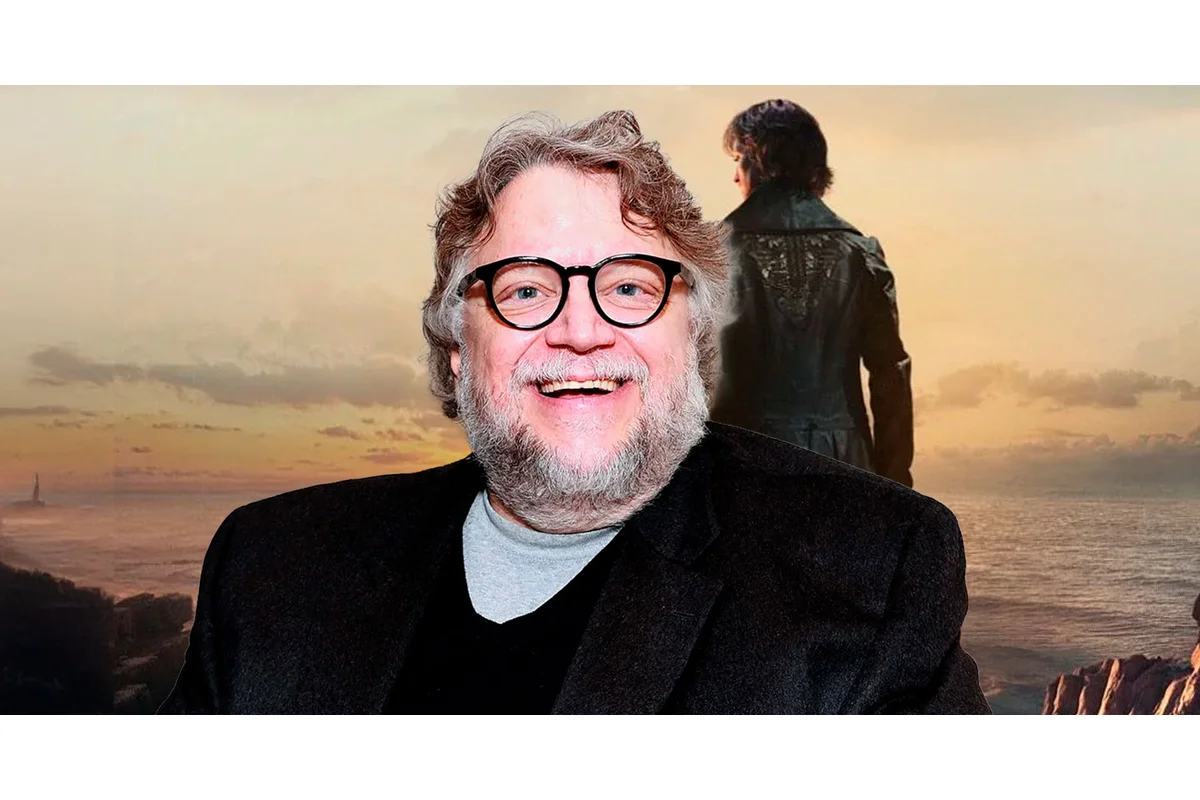
Known for his versatility across genres, del Toro has shifted from horror classics and fantasy epics to superhero flicks and politically charged Spanish-language films. However, the rapid genre shifts often left him struggling to adapt. He confided to Empire Magazine,
“This is, bar none, the most difficult movie I ever made. ‘Pan’s Labyrinth’ was similar, in that you don’t know if you’re going to be able to complete — or even survive — it because so much is against it. But then — that’s when you grow […] When I went from ‘The Devil’s Backbone’ to ‘Blade II,’ I called my agent and said, ‘Please get me out of here. They’re gonna fire me in the first week. I am not an action director.’ And my agent said, ‘Well, become one.’ And I thought, ‘Yeah, why not?'” – Guillermo del Toro, Director
This reflection reveals the harsh realities of a filmmaker navigating unexpected creative challenges. Del Toro’s career spans from ghostly tales of war like The Devil’s Backbone to horror-fantasy hybrids such as Pan’s Labyrinth, and even action-packed titles like Blade II. Yet Nightmare Alley demanded a new set of skills as a film noir director, pushing him into unfamiliar territory.
Del Toro’s Foray into Film Noir and the Commercial Fallout
Tackling the film noir genre for the first time, del Toro found he had to develop fresh instincts to match the dark, mood-driven style the story required. He described this shift plainly:
“Coming into ‘Nightmare Alley,’ I had to use tools and instincts that were new — I had to be a noir, drama director — but in a career that can encompass ‘Pacific Rim’ or ‘Pan’s Labyrinth,’ well, I just decided: ‘I’ll become one.'” – Guillermo del Toro, Director
While del Toro succeeded artistically, the movie’s timing and mature themes worked against its commercial success. Released as most theaters were reopening after COVID-19 closures, Nightmare Alley faced a restricted adult audience due to its R rating, during a period when adult-oriented films struggled globally. This was made more difficult by stiff competition; on the same day, Spider-Man: No Way Home premiered, eventually generating nearly $2 billion and dominating public attention.
As a result, del Toro’s film floundered at the box office despite glowing reviews and the director’s reputation as a master stylist. The film’s modest takings highlight how even acclaimed filmmakers face daunting challenges when audiences’ preferences shift dramatically under external circumstances like a global pandemic and evolving industry trends.
Looking Beyond the Setback: Del Toro’s Continued Success
Despite the disappointment of Nightmare Alley, Guillermo del Toro’s career remains on robust footing. His next project, the 2022 Netflix stop-motion animated film Pinocchio, won the Oscar for Best Animated Feature, certifying his creative resilience and ability to succeed across different media. Additionally, his upcoming film Frankenstein (set for release in 2025) has already garnered multiple Academy Award nominations, including Best Picture.
These achievements demonstrate del Toro’s enduring appeal and artistic versatility. While Nightmare Alley was a singularly difficult journey, both for the director and the film itself, it serves as a testament to his willingness to take bold creative risks, experiment with varied genres, and push cinematic boundaries even in the face of commercial uncertainty.
