
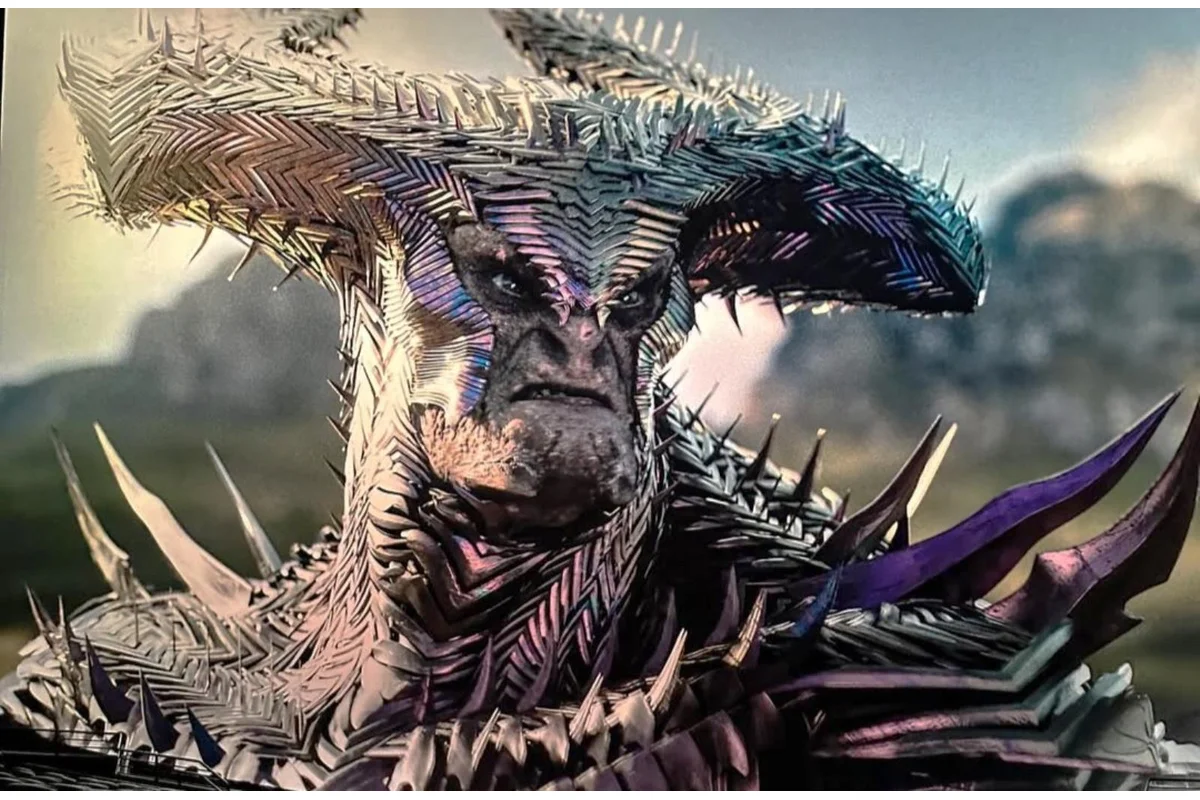
Before Zack Snyder’s Justice League brought DC’s iconic heroes together on the big screen, CBS made an ambitious but ultimately ill-fated attempt to introduce the Justice League of America to network television in 1997. This effort, aimed at capturing the rising popularity of superheroes, notably struggled to find footing amid the late 90s television landscape. Despite the growing enthusiasm for the Zack Snyder Justice League concept years later, this particular pilot reflected a troubled vision that never reached a full series.
The Justice League first appeared as a proto-team during Smallville’s sixth season but had yet to receive a serious live-action adaptation until this CBS pilot. At the time, enthusiasm for the superhero team was rising thanks to popular comic book runs by Grant Morrison and Mark Waid, alongside the success of Batman films dominating theaters. The network hoped to capitalize on this by creating a series that grounded these super-powered characters in everyday human experiences.
The 1997 ‘Justice League of America’ Pilot Struggled With Tone and Execution
Directed by Félix Enríquez Alcalá, whose credits included work on Lois & Clark: The New Adventures of Superman, the 90-minute pilot revolved around meteorologist Tori Olafsdotter, played by Kim Oja, who gains freezing abilities through a mysterious device and becomes the superhero Ice. Initially at odds with the existing team, which included characters like Fire (Michelle Hurd), Green Lantern (Matthew Settle), The Atom (John Kassir), The Flash (Kenny Johnston), and Martian Manhunter (David Ogden Stiers), Tori eventually joins their ranks.
The pilot adopted a quirky approach, blending a comedic, mockumentary-style narrative—similar to shows like The Office—with attempts at superhero drama. This tonal inconsistency confused viewers, as the characters reflected awkward attempts to feel relatable and real. The antagonistic force, a meteorologist-turned-villain called the Weatherman (Miguel Ferrer), further underscored the show’s uneven premise.
Wizard Magazine, reporting during the pilot’s production, suggested CBS intended this as a mid-season replacement to revive superhero programming after canceling an earlier Flash series, though this version of The Flash (Barry Allen) was unrelated to any prior TV adaptations. Mark Waid, one of the comic writers who had contributed to the contemporary Justice League popularity, famously remarked on the pilot’s poor quality, saying,
“It’s 70 minutes of your life you’ll never get back.”
Mark Waid, Comic Book Writer
The exclusion of DC’s most famous trio—Superman, Batman, and Wonder Woman—likely owed to licensing restrictions from Warner Bros. Television or DC Comics, leaving less iconic characters to carry the show. Despite limited expectations, bootleg copies of the pilot circulated among comic conventions, where it became infamous for its lackluster execution, ultimately prompting CBS to reject further development.
Reasons Behind the Failure of the Justice League TV Pilot
The core issue with the 1997 Justice League of America pilot was its unclear identity. It was uncertain whether the show aimed to be a serious superhero drama akin to previous series like Lois & Clark or The Flash, a deliberately campy homage similar to the 1960s Batman show, or a character-driven sitcom with superpowers. A contemporary review from The Austin Chronicle captured this confusion by suggesting the series tried
“desperately to be Friends with superpowers.”
The Austin Chronicle, 1999 Review
The team roster also confused fans, drawing from varied comic sources like Justice League International and Justice League Europe rather than the definitive Justice League line-up. This mix led to strange creative choices, such as pairing Ice and The Atom, despite comic lore showing Ice’s romantic attachment to Guy Gardner / Green Lantern. The blends of different Flash iterations and Green Lantern costumes further muddled character portrayals, leaving the show’s chemistry off-balance and unconvincing.
Better Adaptations Ensured the Justice League’s Legacy Endured
Though shelved after the pilot, the Justice League would soon find more fitting and celebrated adaptations. Cartoon Network revived the team’s status with the well-received Justice League animated series and its sequel, Justice League Unlimited, which elevated the heroes’ appeal for a new generation. Live-action efforts followed when Smallville united several heroes in its fan-favorite “Justice” episode, building momentum over a decade-long run.
The CW then advanced DC’s shared universe with interconnected shows such as Arrow, Supergirl, Legends of Tomorrow, and The Flash. Though these heroes operated under various banners and not explicitly as the Justice League, the shared storylines embodied the spirit of the team. Finally, the DC Extended Universe brought the Justice League to cinematic prominence, culminating in Zack Snyder’s version, which delivered a long-awaited collaboration of DC’s iconic heroes on the big screen.
While the 1997 Justice League of America pilot remains a cautionary footnote, the resilience and popularity of the world‘s greatest superheroes ultimately secured their place in both television and film history, proving that even flawed attempts could not prevent the legendary team from standing tall.
