
Taxi Driver Martin Scorsese’s 1976 film marked a pivotal moment in American cinema by exposing the fractured psyche of a Vietnam veteran turned New York City cab driver struggling with insomnia and isolation. Now celebrating its 50th anniversary, this dark, intense portrait of Travis Bickle, played by Robert De Niro, remains a powerful exploration of alienation and societal decay that continues to resonate today.
A Visually Striking Depiction of Alienation and Inner Turmoil
No movie has so effectively captured the uneasy mix of fascination and repulsion as Taxi Driver. The disturbing yet compelling performance of Travis Bickle, whose social awkwardness and violent impulses unfold amidst grimy cityscapes, commands viewers’ attention despite its unsettling nature. Director of photography Michael Chapman crafted a visual style that blends gritty New Hollywood realism with a distorted, almost hallucinogenic mood, mirroring Travis’ fractured mental state. Bernard Herrmann’s haunting saxophone score further heightens this otherworldly atmosphere during Travis’ nocturnal shifts, dragging the audience deep into his troubled mind.
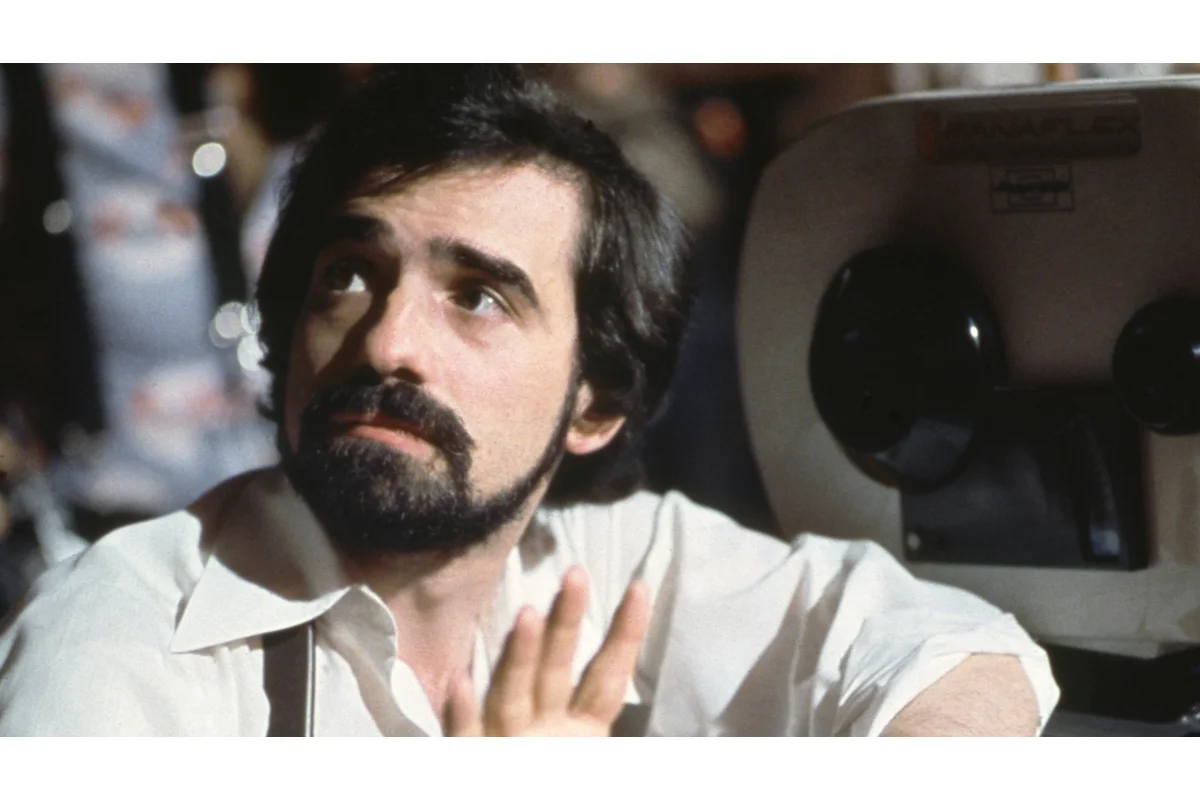
Behind this visual and emotional landscape lies one of cinema’s most fruitful collaborations. Taxi Driver’s screenwriter, Paul Schrader, whose script was a personal outlet for his own feelings of loneliness and despair, provided a raw and unfiltered lens into the character’s psyche. Martin Scorsese’s direction softened some of the script’s bleakness with a layer of empathy toward Travis, portraying him as a man shaped by relentless self-punishment and alienation. Scorsese, himself an outsider in Hollywood during this period, deeply connected with Travis’ sense of estrangement and detachment from society.
Foreseeing Society’s Drift Toward Isolation and Violence
Taxi Driver has proven alarmingly prophetic in its depiction of societal breakdown and emotional isolation. Scorsese reflected on this in a 2023 interview with GQ:
“As we know now, tragically, it’s a norm that every other person is like Travis Bickle,”
— Martin Scorsese, Director
The film’s legacy intertwines with real-life events such as John Hinckley Jr.’s 1981 attempted assassination of President Ronald Reagan, inspired by his obsession with Jodie Foster’s character Iris. Travis Bickle’s character emerged as a forerunner of many contemporary phenomena, including the rise of incel culture, the Red Pill movement, and the toxic corners of the manosphere, reflecting how detachment and violent ideologies fester on the margins.
Today’s digital age has expanded the isolation Travis felt, with social media amplifying feelings of despair and rage that can escalate into harmful actions. The grim undercurrents running through Taxi Driver echo in modern political rhetoric and social media discourse, where dehumanizing language targeting marginalized groups mirrors the terms Travis used to describe his environment. The film’s unsettling deep dive into human darkness serves as both cautionary tale and uncomfortable reflection of present-day realities.
The Enduring Legacy of a Cinematic Landmark
Despite its disturbing subject matter, Taxi Driver quickly earned its place among the greatest American films, largely due to Scorsese’s uncompromising vision, Schrader’s raw writing, and De Niro’s unforgettable performance. It laid the foundation for Scorsese’s later masterpieces such as Raging Bull, Goodfellas, and The Wolf of Wall Street, genres equally unafraid to probe the shadowy parts of human nature.
Taxi Driver’s combination of provocative storytelling and intense emotional honesty forces viewers to confront uncomfortable truths about loneliness, rage, and the desire for connection. Its portrayal of Travis Bickle is hauntingly relatable, as it reveals the fragile line between societal rejection and personal destruction. As it marks its half-century, Taxi Driver remains an essential film for understanding both the human condition and the state of American culture.
Robert De Niro’s performance as Travis Bickle remains one of cinema’s most iconic roles, while Jodie Foster’s portrayal of the young prostitute Iris provides a poignant counterpoint to Travis’ descent. Their characters embody the deep social fractures of 1970s New York City, amplifying the film’s raw exploration of alienation and moral ambiguity.
Today, Taxi Driver continues to be available for rent or purchase through various video-on-demand platforms in the United States, offering new audiences a chance to experience its relentless intensity and chilling relevance.
