
Bill Murray recently acknowledged what he considers his biggest movie mistake, reflecting on the failures of his 1984 film adaptation of W. Somerset Maugham’s The Razor’s Edge. The actor, known for his complicated career and reluctance to admit fault, openly took responsibility for the project’s shortcomings, revealing a rare moment of humility in Hollywood.
Bill Murray’s Rare Admission of Fault for The Razor’s Edge
Over the years, Bill Murray has developed a reputation for being unyielding and sometimes difficult, often refusing to apologize when confronted with criticism. Known for controversial remarks and conflicts both on and off set, Murray’s admission that he was wrong about a film project stands out as unexpected. In the case of The Razor’s Edge, which he co-wrote with director John Byrum, Murray fully owned up to the film’s failure after its poor reception and box office disappointment.
The Development and Fallout from The Razor’s Edge
The Razor’s Edge was Murray’s first screenplay credit, adapted from the novel by W. Somerset Maugham. Faced with difficulty in securing studio backing for this passion project, Murray struck a deal with Columbia Pictures through friend and fellow actor Dan Aykroyd. Murray agreed to join the Ghostbusters cast if the studio financed The Razor’s Edge, which led to the movie’s reluctant green light.
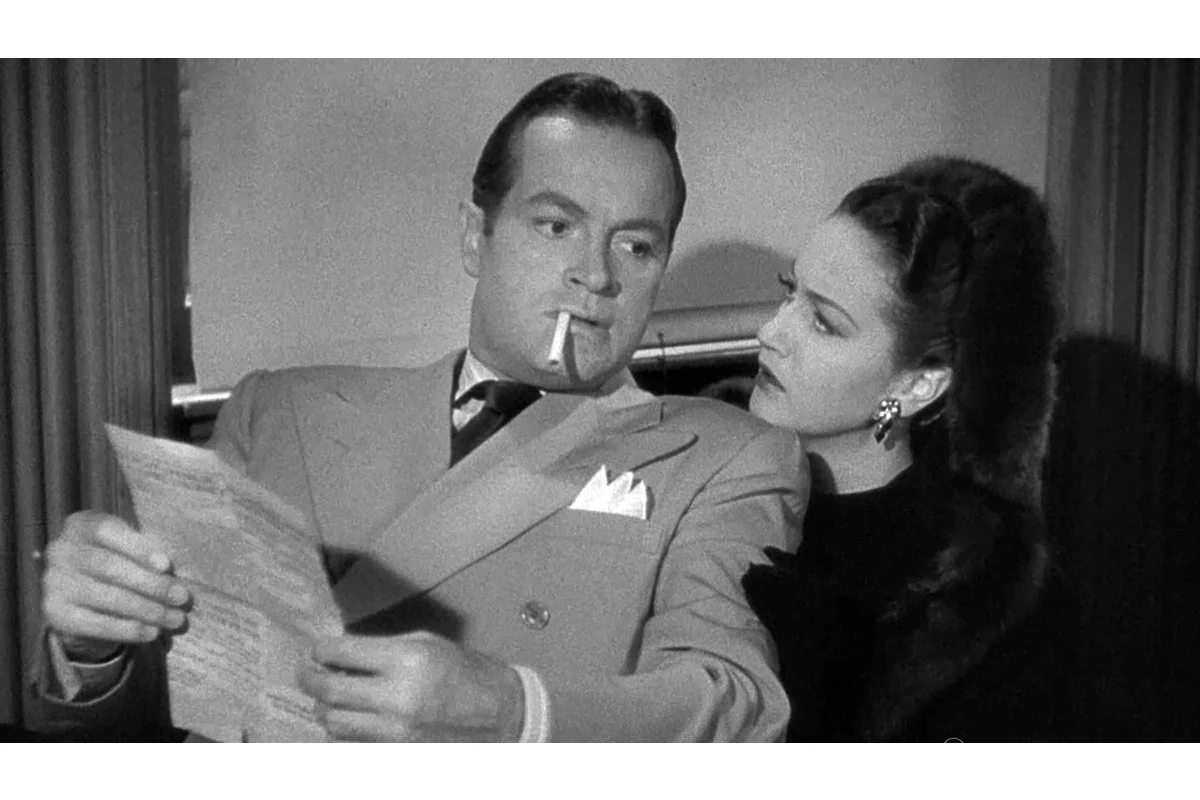
Despite this breakthrough, the film failed to resonate with audiences and critics alike. Murray described himself as deluded regarding the interest the film would generate, admitting,
“I kind of deluded myself that there would be a lot of interest,”
and conceding,
“I made a big mistake. The studio wanted to make it a modern movie, and I said no, it should be a period piece. I was wrong, and they were right.”
Why The Razor’s Edge Fell Short
The setting—whether in 1917 or a more contemporary period—was not the sole factor contributing to The Razor’s Edge’s failure. The film suffered from an overly introspective and indulgent style, resulting in a slow, unengaging narrative. While Murray and Byrum intended to create a profound and meaningful adaptation, the final product was criticized for being dull and pretentious, missing the mark with the wider audience.
Although The Razor’s Edge has gained some cult status in the decades since its release, Murray has acknowledged that his ambitions clouded his judgment, leading to a painful professional setback. The experience significantly impacted his confidence and taught him the heavy cost of creative miscalculations.
Murray’s Career Context and Legacy of Difficulties
This admission is particularly notable given Murray’s history of publicly resisting accountability. The actor has previously downplayed serious controversies, such as his involvement in the halted Aziz Ansari project Being Mortal, and openly clashed with directors like Charlie’s Angels director McG. His rare acceptance of fault over The Razor’s Edge highlights the film’s significance as a turning point in his career.
While Bill Murray continues to be celebrated for his contributions to cinema and comedy, this moment of candor reveals the complexities behind his persona and the professional challenges he has faced. The Razor’s Edge remains a reminder of the risks actors take when crossing into new creative territories, and how even celebrated veterans can fall victim to misjudgment.
