
Clint Eastwood rose to fame through his iconic roles in western films, particularly during the early years of his career from the mid-1950s onward. This article ranks Eastwood’s first 10 westerns, highlighting his transformation from a struggling actor into a living legend synonymous with cowboys and gunslingers. Exploring these films reveals the significance of the Clint Eastwood best westerns in shaping both his legacy and the genre itself.
The Humble Beginnings: Eastwood’s Earliest Western Appearances
Eastwood’s western journey began with minor and largely uncredited roles, the most notable among them being Star in the Dust (1956). Though this film revolves around a small-town sheriff’s efforts to keep a prisoner alive for execution, Eastwood only appears briefly as a ranch hand. While gritty for its time, the movie is a straightforward color western that follows familiar clichés, placing it at the bottom of this ranking.
Following this was Ambush at Cimarron Pass (1958), Eastwood’s last American film before his work in Italy. Here, he played a significant role as Keith Williams, part of a military mission led by ex-Confederate soldiers. Despite Eastwood’s prominent screen time, the film failed both critically and commercially. Eastwood himself disliked the project, though it offered him valuable experience that propelled his career in new directions.
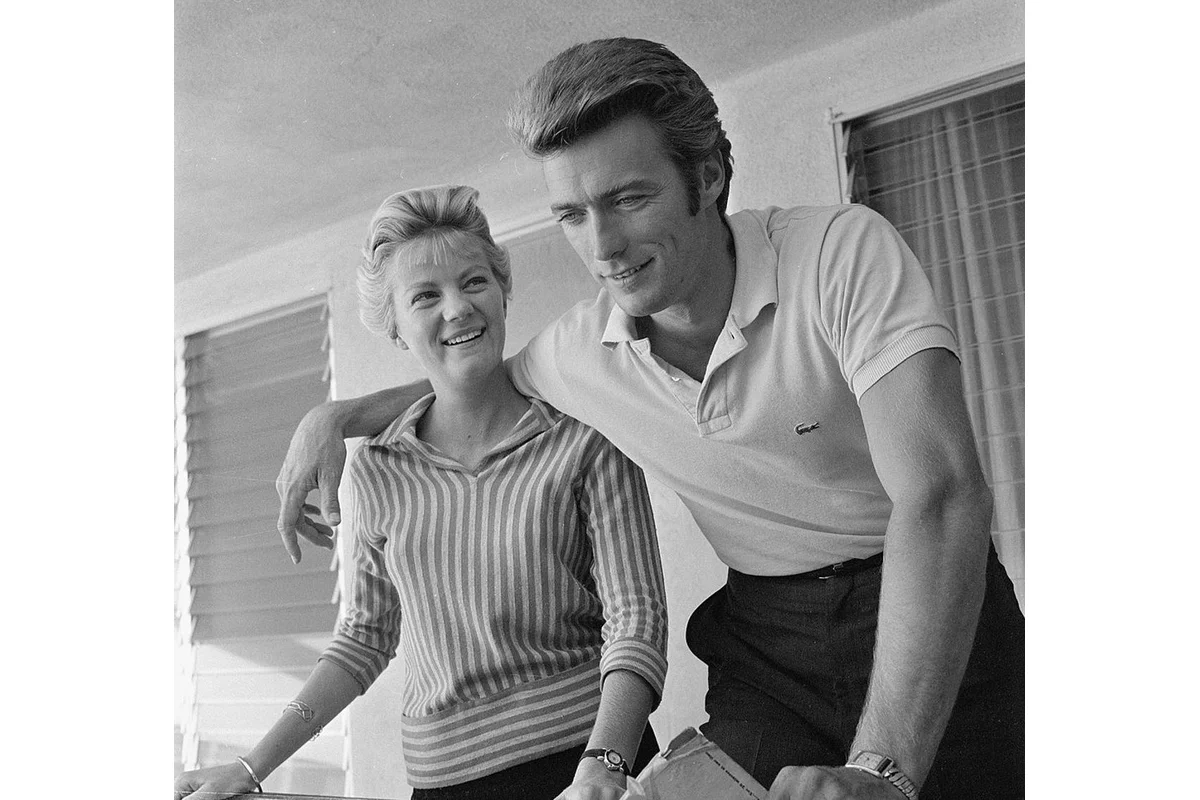
The First Traveling Saleslady (1956) stands out as a curious musical comedy western featuring a daring 1890s businesswoman aiming for success out West. Eastwood’s role as Lt. Jack Rice placed him alongside future stars such as James Arness and Carol Channing. Despite its ambitious cast, the film’s lackluster execution and commercial failure caused it to fade into obscurity.
Eastwood’s Return and the Rise of Refinement in Westerns
After gaining success in Italy, Eastwood returned to American westerns with mixed results. Joe Kidd (1972) is a politically charged story about an ex-bounty hunter confronted by a Mexican revolutionary, penned by Elmore Leonard. While the premise had potential, much of its symbolism fell flat, leaving the film feeling like a conventional shoot-em-up. It fails to reach the critical heights of Eastwood’s other works but remains a piece for serious fans.
In contrast, Two Mules for Sister Sara (1970) features Eastwood as Hogan, a gunslinger who rescues a nun whose identity proves deceptive. The film benefits from Shirley MacLaine’s charismatic presence and Ennio Morricone’s memorable score. Though its humor only partially succeeds, this film remains a noteworthy entry often overshadowed by Eastwood’s more celebrated projects.
Paint Your Wagon (1969) marked Eastwood’s initial attempt at a western musical. The story chronicles life in a budding gold-mining town, with Eastwood cast as Sylvester Newel. Despite a somewhat miscast lead, the film’s polished Hollywood production and Lee Marvin’s powerful performance provide entertainment, blending a fading genre with vibrant musical numbers.
A Turning Point: Eastwood’s Emergence as a Complex Western Hero
Hang ’Em High (1968) was a defining moment for Eastwood’s western career following his return from Europe. In this film, he portrays Jed Cooper, a man who narrowly escapes an undeserved hanging and becomes a lawman while wrestling with his desire for revenge. Its gritty realism and complex morality signaled a new era for Hollywood westerns. Eastwood’s nuanced performance bucked his typical anti-hero squint, adding depth to his character and making the film standout among his early American works.
The Italian Influence: The Dollars Trilogy’s Monumental Impact
Eastwood’s time in Italy produced three landmark films that reshaped the western genre: A Fistful of Dollars (1964), For a Few Dollars More (1965), and The Good, the Bad and the Ugly (1966). These films introduced a stylized, violent, and energetic approach that contrasted sharply with traditional American westerns.
In A Fistful of Dollars, Eastwood’s unnamed drifter skillfully manipulates warring factions in a border town. Directed by Sergio Leone, this was Eastwood’s first leading role and laid the foundation for his star vehicle status. The film’s raw energy and novel camera work revitalized a stale genre, setting the tone for the subsequent sequels.
For a Few Dollars More built on the success of its predecessor by introducing Lee Van Cleef as a formidable partner to Eastwood’s bounty hunter. The duo’s dynamic added charm and complexity, combined with Ennio Morricone’s outstanding score, which enhanced the narrative’s emotional depth. This sequel refined the spaghetti western formula, adding humor and sophistication without compromising its pace or violence.
The trilogy climaxed with The Good, the Bad and the Ugly, widely regarded as one of the greatest westerns in cinematic history. Set during the American Civil War, it follows two rivals who must collaborate to find a hidden fortune of Union gold in the desert. This film excelled beyond its predecessors with sharper action, richer humor, and an iconic musical score. It revitalized and revolutionized western clichés, reinforcing Eastwood’s status as the genre’s defining face.
The Lasting Impact of Eastwood’s Western Masterpieces
Clint Eastwood’s first ten westerns chronicle not only his rise as an actor but also the evolution of the western genre itself. From early minor roles to starring in groundbreaking Italian westerns, his career trajectory reflects persistence and adaptability. Movies such as Hang ’Em High and the Dollars Trilogy cemented his reputation as the definitive cowboy figure for generations.
These films have influenced countless future productions and contributed to the modern understanding of western narratives. With their blend of grit, style, and nuanced storytelling, the Clint Eastwood best westerns continue to resonate with audiences and critics alike. Their enduring appeal suggests that his impact on Hollywood and the western genre will remain significant for years to come.
