
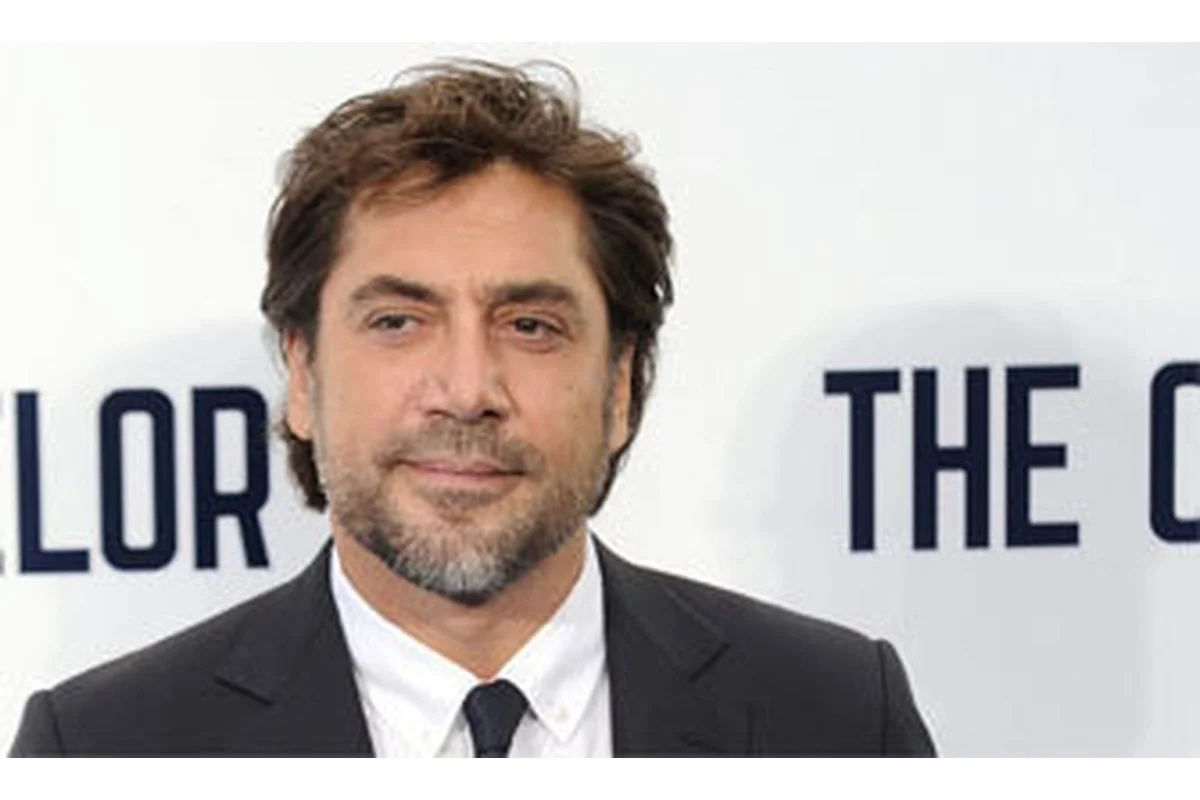
On Tuesday afternoon, more than 81 current and former participants of the Berlinale film festival, including Javier Bardem and Tilda Swinton, issued an open letter urging the German festival to explicitly condemn Israel. The document, which prominently features the Javier Bardem Berlinale letter among its driving voices, addresses the festival’s perceived censorship of artists critical of Israel’s military actions in Gaza and criticizes Germany’s role in facilitating those actions.
The letter expresses deep concern over troubling developments at the festival and the broader political implications surrounding it, demanding an end to the festival’s silence on Palestinian suffering amid escalating violence.
Criticism of Berlinale’s Handling of Political Expression and Censorship
The letter strongly criticizes the Berlinale’s leadership for suppressing voices opposing what it calls Israel’s
“ongoing genocide against Palestinians in Gaza”
and highlights the German state’s involvement in enabling these events. It accuses the festival of policing filmmakers and cooperating with federal authorities in actions that intimidate artists speaking out in solidarity with Palestinians. According to the letter, several filmmakers who publicly supported Palestinian rights at last year’s festival faced aggressive reprimands from senior programmers, and one was even subject to a police investigation.
One filmmaker described the atmosphere at the Berlinale as charged with paranoia and a sense of being persecuted unprecedented at any other film festival, illustrating the letter’s portrayal of institutional repression and anti-Palestinian racism within the event.
“there was a feeling of paranoia in the air, of not being protected and of being persecuted, which I had never felt before at a film festival”
– Anonymous Filmmaker
Disagreement with Berlinale Jury President Wim Wenders on Politics and Filmmaking
The letter cites remarks from Wim Wenders, the Berlinale 2026 jury president, made during the festival’s opening press conference, where he claimed that films can change the world but “not in a political way,” insisting that filmmakers must avoid politics to keep their creative work separate. The letter’s authors vehemently oppose this view, asserting that filmmaking and politics are inseparable.
“We fervently disagree with the statement made by Berlinale 2026 jury president Wim Wenders that filmmaking is ‘the opposite of politics’. You cannot separate one from the other.”
– Berlinale Letter Signatories
This clash emphasizes the ongoing debate about whether cinema should engage directly with political issues, especially in contexts of human rights and war.
Calls for Berlinale to Take a Moral Stand Against Human Rights Violations
The letter appeals to the festival to break its silence on Israel’s military campaign in Gaza, referencing the Palestine Film Institute’s critique of Berlinale’s inconsistent responses to global atrocities. Where the festival has condemned violence in places like Iran and Ukraine, it has yet to issue a clear statement regarding the Palestinian situation, despite mounting evidence of war crimes and ethnic cleansing.
The authors highlight Germany’s continued arms supplies to Israel, emphasizing that this support contributes to the ongoing destruction and loss of Palestinian lives. They urge the Berlinale to acknowledge the abuses happening and to protect artists’ rights to speak freely about them.
“we are appalled by Berlinale’s institutional silence on the genocide of Palestinians, and its unwillingness to defend the freedoms of speech and expression of filmmakers”
– Palestine Film Institute
International Film Community’s Response and Boycott Movements
The letter notes a growing movement in the film industry to boycott Israeli cultural institutions, with major international festivals such as the International Documentary Festival Amsterdam, BlackStar Film Festival in the U.S., and Film Fest Gent in Belgium declaring their refusals to collaborate with Israeli entities implicated in alleged apartheid policies.
More than 5,000 film professionals worldwide, including prominent Hollywood figures, have declared they will not work with Israeli film companies complicit in these policies. Yet, the Berlinale remains resistant to making similar commitments despite demands from within its community.
Notable Signatories and the Broader Artistic Call to Action
Alongside Javier Bardem and Tilda Swinton, other signatories include celebrated filmmakers and artists such as Mike Leigh, Lukas Dhont, Nan Goldin, Miguel Gomes, Adam McKay, and James Benning. Their collective voice reinforces a unified front condemning the perceived complicity of Berlinale leadership and calling for solidarity with Palestinian human rights.
In parallel to the letter’s release, actor Ethan Hawke spoke about the responsibility of artists to oppose fascism during a press event for his film “The Weight.” Hawke humorously cautioned against seeking spiritual guidance from tired artists but affirmed his full support for fighting fascism.
“The last place you probably want to look for advice in your spiritual counsel is a bunch of jet-lagged drunk artists talking about their film.”
– Ethan Hawke
“Anything that fights fascism, I’m all for it.”
– Ethan Hawke
Detailed Demands and Context of the Letter’s Appeals
The signatories urge Berlinale to officially affirm the Palestinian people’s right to life, dignity, and freedom. The letter states the festival must condemn the Israeli genocide of Palestinians and commit to safeguarding artists’ freedom to express solidarity with Palestinian human rights causes without restraint or reprisal.
The authors express grave concerns about German government censorship practices aimed at restricting Palestinian advocacy in universities, the arts, and public discourse, citing UN Special Rapporteur Irene Khan’s warnings about legislation that chills dialogue.
Moreover, the letter references artist Ai Weiwei’s comparison of Germany’s current actions to those in the 1930s, labeling it a repeated fascist impulse targeting different victims.
It draws attention to recent revelations about the deaths of 2,842 Palestinians allegedly killed by Israeli forces using banned U.S.-made weapons, underscoring the urgency with which the authors demand accountability.
They call on the Berlinale to stop shielding Israel from criticism and to commit decisively to human rights and justice in both word and deed.
Full List of Signatories Highlights Global Film Industry Support
The letter’s roster includes a wide range of artists, film workers, and cultural figures: Adam McKay, Adèle Haenel, Alan O’Gorman, Alexandra Juhasz, Alexandre Koberidze, Alia Shawkat, Alison Oliver, Alkis Papastathopoulos, Ana Naomi de Sousa, Angeliki Papoulia, Antigoni Rota, Ariane Labed, Artemis Anastasiadou, Ashley McKenzie, Avi Mograbi, Bahija Essoussi, Ben Russell, Bingham Bryant, Blake Williams, Blanche Gardin, Brett Story, Brian Cox, Camilo Restrepo, Carice Van Houten, Charlie Shackleton, Cherien Dabis, Christopher Young, Dali Benssalah, David Osit, Deragh Campbell, Dustin Defa, Eleni Alexandrakis, Elhum Shakerifar, Emilie Deleuze, Eyal Sivan, Fernando Meirelles, Fil Ieropoulos, Geoff Arbourne, Hany Abu Assad, Hind Meddeb, James Benning, Javier Bardem, John Greyson, Jon Jost, Khalid Abdalla, Leah Borromeo, Lukas Dhont, Mahdi Fleifel, Mai Masri, Malika Zouhali-Worrall, Manuel Embalse, Marina Gioti, Marion Schmidt, Merawi Gerima, Miguel Gomes, Mike Leigh, Miranda Pennell, Nan Goldin, Narimane Mari, Nina Menkes, Pascale Ramonda, Patricia Mazuy, Paul Laverty, Pedro Pimenta, Peter Mullan, Phaedra Vokali, Robert Greene, Saeed Taji Farouky, Saleh Bakri, Samaher Alqadi, Sarah Friedland, Sepideh Farsi, Shirin Neshat, Smaro Papaevangelou, Sofia Georgovassili, Tatiana Maslany, Tilda Swinton, Tobias Menzies, and Tyler Taormina.
Implications for Berlinale and the International Film Festival Landscape
This letter represents a significant moment of tension within the international film community, signaling growing pressure on influential cultural institutions to take clear ethical stances on geopolitical conflicts, especially those involving human rights violations. The refusal of many festivals worldwide to cooperate with Israeli state-backed cultural bodies puts Berlinale in a spotlight as it faces calls to align its policies with an emerging global consensus on artistic accountability.
The letter’s demands may compel Berlinale to reconsider its position and policies, potentially influencing how film festivals engage with political issues in the future. The unfolding controversy highlights the role of art and artists in advocating for justice and underscores the stakes faced by festivals as cultural forums intersect with pressing global conflicts.
