
Released on November 4, 1977, Heroes is a Vietnam War film starring Harrison Ford and Henry Winkler that explores the lingering effects of the conflict on its veterans. Produced by Universal Pictures, this movie earned $33.5 million worldwide from a $3.1 million budget, yet it remains largely overlooked despite its compelling subject matter and the presence of rising stars, including Ford, whose rising fame partly benefited the film’s exposure. The story delves deeply into post-war trauma, mental health, and fractured relationships, subjects that are as relevant today as when the film debuted.
Examining the Psychological Toll of Vietnam War Veterans
Heroes centers on the aftermath of the Vietnam War and the internal struggles veterans face when attempting to rejoin civilian life. The film takes a nuanced approach to mental health issues such as PTSD, emphasizing emotional complexity rather than overt drama. It follows Jack Dunne, portrayed by Henry Winkler, a former soldier who has wrestled with his identity since returning from the war. Considering a move to become a worm farmer, Dunne instead opts to reunite with his old unit on a road trip that becomes a chaotic and symbolic journey toward healing.
Alongside Dunne are Carol Bell, played by Sally Field, whose emotional intensity elevates every scene she inhabits, and Jack Boyd, a fellow Vietnam veteran played by Harrison Ford. The road trip narrative highlights differing ways veterans confront their pasts, illustrating how trauma shapes their attempts to rebuild connections and find peace. While the film centers on their relationships, it never shies away from the persistent mental scars left by war.
The film’s script development draws heavily on authentic experience. Written originally by James Carabatsos, a Vietnam War veteran himself and acclaimed screenwriter of war films like Heartbreak Ridge and Hamburger Hill, Heroes benefits from a level of realism in its portrayal. Although David Freeman revised the script and Jeremy Paul Kagan directed, the film retains the essence of Carabatsos’s firsthand insight into a veteran’s world, lending it a rare depth in its subject matter.
Harrison Ford’s Subdued Performance Reveals Hidden Depths
In Heroes, Harrison Ford takes on a significantly different role than his upcoming blockbuster fame in Star Wars might suggest. His character, Jack Boyd, is quietly burdened, concealing pain beneath a surface of humor and stubbornness. Ford’s ability to convey this internal conflict shows an actor willing to explore nuanced emotions rather than relying solely on charisma.
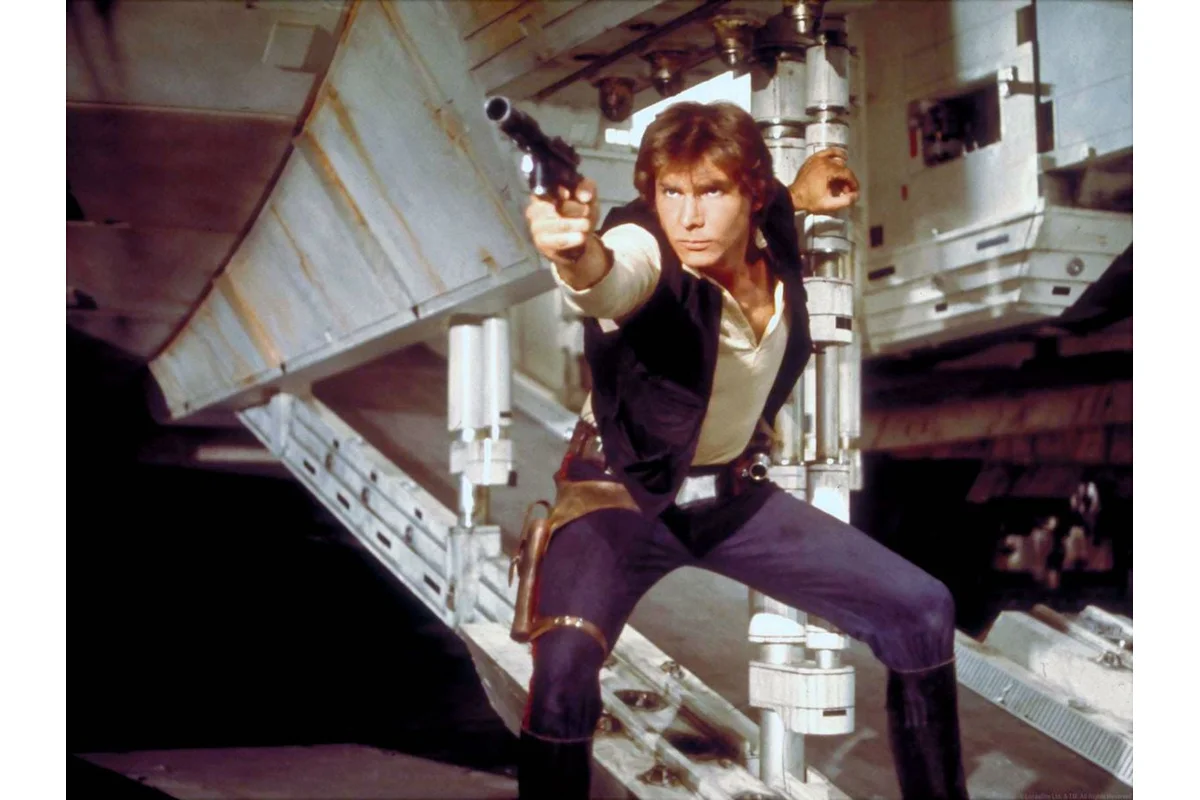
Although Heroes was filmed before the release of Star Wars, its debut coincided with the surge of public interest in Ford’s rising stardom as Han Solo. Audiences expecting the daring space smuggler encountered a much more reflective and troubled figure. Despite this contrast, Ford’s performance in Heroes marked an important stepping stone in his career, showcasing his range and hinting at the future versatility that would define his work.
While Ford’s role in Heroes did not receive widespread acclaim at the time, and was overshadowed by his immediate success in Star Wars, the film remains a noteworthy chapter in his artistic development. It underscores a willingness to engage with difficult emotional territory before becoming a household name internationally.
Henry Winkler’s Powerful Portrayal Adds Gravitas to the Film
Henry Winkler’s performance as Jack Dunne anchors Heroes. Coming off the fame of his iconic character The Fonz in Happy Days, Winkler deliberately sought to distance himself from his popular persona by accepting this serious dramatic role. The character of Dunne battles both the ghosts of war and personal dishonesty, portraying the struggle to reconcile one’s true self with painful memories.
Winkler approaches the role with sincerity, delivering a performance that is both restrained and emotionally powerful. The film’s concluding scenes especially highlight the character’s evolution as he reflects on the lies he has told himself and confronts his reality. This arc is crucial to the story’s emotional impact and is accomplished without overdramatization, a testament to Winkler’s measured acting style.
At the time of the film’s release, Winkler’s shift from a television heartthrob to a serious actor earned critical respect, including Golden Globe and BAFTA nominations for Best Actor in a Drama. Although Heroes is not regarded as a milestone in his career, it was an essential move that expanded his opportunities and credibility in Hollywood’s dramatic sphere.
The Cultural Impact and Critical Reception of an Overlooked War Drama
Despite its respectable box office performance, Heroes failed to resonate widely with audiences or critics. Holding just a 27% score on Rotten Tomatoes, many reviewers criticized the film for not fully exploring its powerful themes or capitalizing on its talented cast. While modern perspectives sometimes reexamine the movie through the lens of Winkler and Ford’s later accomplishments, Heroes is best understood within its historical context as an earnest attempt to portray veteran struggles during a time when such topics were rarely the focus of mainstream cinema.
The film’s limited cultural footprint is surprising, given the caliber of stars involved, especially Sally Field, whose emotional presence profoundly enhances several key scenes. Yet, Heroes remains important for film historians and enthusiasts interested in the early careers of Ford and Winkler, and how Hollywood approached the Vietnam War’s aftermath in the 1970s.
Legacy of Heroes and Its Place in Vietnam War Cinema
Heroes stands as a complex narrative reflecting the tension between past trauma and the hope for healing, a theme that continues to resonate with audiences affected by war. It is noteworthy for challenging stereotypes about veterans while also marking a transitional time for its leading actors. Harrison Ford’s and Henry Winkler’s involvement provides crucial context for the film’s place within their evolving careers, offering insight into early performances that ran against type but revealed hidden depths.
Though it may never enjoy widespread recognition, Heroes contributes to the ongoing conversation about how war changes lives—and how individuals struggle to reclaim normalcy afterward. The film’s portrayal of mental health issues in a subtle yet intense way has lasting significance, ensuring that it still offers valuable perspectives more than four decades after its initial release.
