
James Cameron has publicly supported Paramount amid the ongoing bidding war for Warner Bros. Discovery, warning that a Netflix takeover could severely damage Hollywood’s infrastructure. In a letter addressed to Senator Mike Lee of Utah dated February 10, Cameron cautioned that allowing Netflix to purchase Warner Bros. would harm movie theaters and lead to significant job losses across the entertainment industry.
The letter echoes apprehensions raised by lawmakers and the Justice Department regarding the future availability of theatrical releases if Netflix acquires the studio. While regulatory attention mainly targets Netflix’s dominance in streaming, there is growing scrutiny about the fate of Warner Bros.’ theatrical films under Netflix’s ownership.
Cameron Criticizes Netflix’s Hostile View on Movie Theaters
Cameron references comments from Netflix CEO Ted Sarandos, who has described movie theaters as outdated and obsolete. Cameron counters this view by highlighting the incompatibility between Netflix’s business model and the traditional theatrical exhibition sector, which supports hundreds of thousands of American jobs.
“The business model of Netflix is directly at odds with the theatrical film production and exhibition business, which employs hundreds of thousands of Americans,”
Cameron writes.
“It is therefore directly at odds with the business model of the Warner Brothers movie division, one of the few remaining major movie studios.”
Warner Bros. currently releases about 15 films annually in theaters. Cameron and other industry leaders fear that Netflix would reduce this output, harming theater owners and their many employees.
“It will be a blow to the exhibition community (theater owners and their tens of thousands of employees) at a critical time to have this production output redirected to streaming,”
the letter states.
Impact on Theaters and Hollywood Employment
Cameron warns that a decline in box office performance would reverberate throughout the industry. If fewer major budget films are approved due to reduced theater demand, numerous jobs will be at risk across film production and associated sectors. He emphasizes the devastating ripple effect, stating,
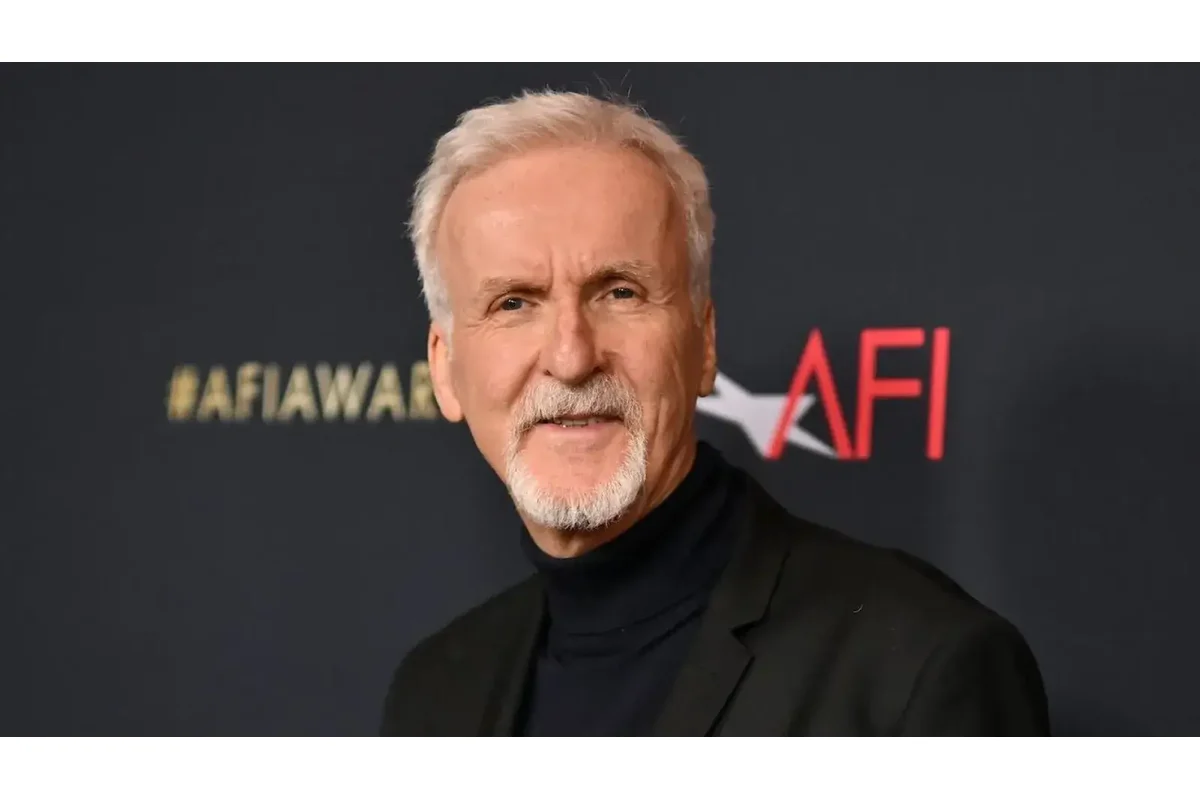
“Theaters will close. Fewer films will be made. Service providers such as VFX companies will go out of business. The job losses will spiral.”
During testimony before the Senate antitrust subcommittee, Sarandos promised a 45-day theatrical release window for Warner Bros. films. However, Cameron questions the durability and enforceability of this commitment.
“What are the teeth in the deal? What administrative body will hold them to task if they slowly sunset their so-called commitment to theatrical releases? But once they own a major movie studio, that is irrevocable. That ship has sailed,”
he writes.
Doubts Over Netflix’s Theatrical Commitment
Cameron points out that Netflix’s history with theatrical releases is limited and driven mainly by awards considerations, rather than supporting the broader theater ecosystem.
“Netflix has done only a handful of theatrical releases, and only then under pressure from prestigious filmmakers,”
Cameron notes.
“But these are usually in a token number of theaters, and are mostly done to qualify for Academy Awards. These releases do not represent the bread-and-butter of the exhibition business.”
He argues that the likely reduction of theatrical releases would diminish consumer choices and limit opportunities for filmmakers seeking studio backing. An important factor in the government’s review could focus on whether the combined company might exercise monopsony power, wielding excessive control over creators and talent.
Cameron’s Personal Stake and Industry Endorsements
In his letter, Cameron expresses deep personal concern for his own creative future, stating,
“I am but a humble movie farmer, and I see my future creativity and productivity directly threatened by this proposed sale.”
Last year, in an interview on The Town podcast, Cameron made his support for Paramount’s bid clear.
“I think Paramount’s the best choice,”
he said.
“Netflix would be a disaster. Sorry, Ted, but geez. Sarandos has gone on the record saying theatrical films are dead. ‘Theatrical is dead.’ Quote, unquote.”
Why This Deal Matters for Hollywood and Audiences
The debate over Netflix’s potential acquisition of Warner Bros. represents a critical moment for the sustainability of movie theaters and the broader Hollywood ecosystem. Should Netflix proceed with its acquisition and reduce theatrical releases, hundreds of thousands of workers in theaters, visual effects, and related fields could face job losses. Additionally, audiences may see fewer films produced and fewer choices for theatrical viewing.
Paramount’s continued involvement in the bid signals ongoing competition for control over Warner Bros., and regulatory reviews are expected to focus on the deal’s impact on market competition, creators’ rights, and consumer access to films. Cameron’s outspoken warnings highlight the urgency and stakes involved in this industry-defining decision.
