
Oscar-winning director James Cameron has issued a stern warning regarding the proposed sale of Warner Brothers Discovery (WBD) to Netflix, cautioning that the merger threatens the future of the theatrical film industry. In a letter dated February 10 addressed to Senator Mike Lee, Cameron highlights his concerns that this deal will dramatically harm movie theaters and the broader ecosystem surrounding theatrical releases.
Based in New Zealand, Cameron, known for blockbusters such as Titanic and Avatar, directs his message particularly towards legislators in Washington, D.C., emphasizing the potentially severe economic and cultural consequences of allowing Netflix to acquire the century-old studio. His warning comes amid intense scrutiny by the Senate Subcommittee on Antitrust, Competitive Policy, and Consumer Rights, which recently questioned Netflix co-CEO Ted Sarandos on the merger’s impact on competition and the industry’s health.
Context and Political Backdrop of the Streaming-Studios Merger
The letter comes at a politically charged moment when Senator Mike Lee, a Republican from Utah with loyal ties to former President Donald Trump, and his subcommittee have been investigating the implications of the deal. Although Cameron does not name Paramount Pictures explicitly, which has mounted a hostile bid to counter Netflix’s acquisition, his focus on the American economic and cultural implications indirectly touches on wider competition concerns.
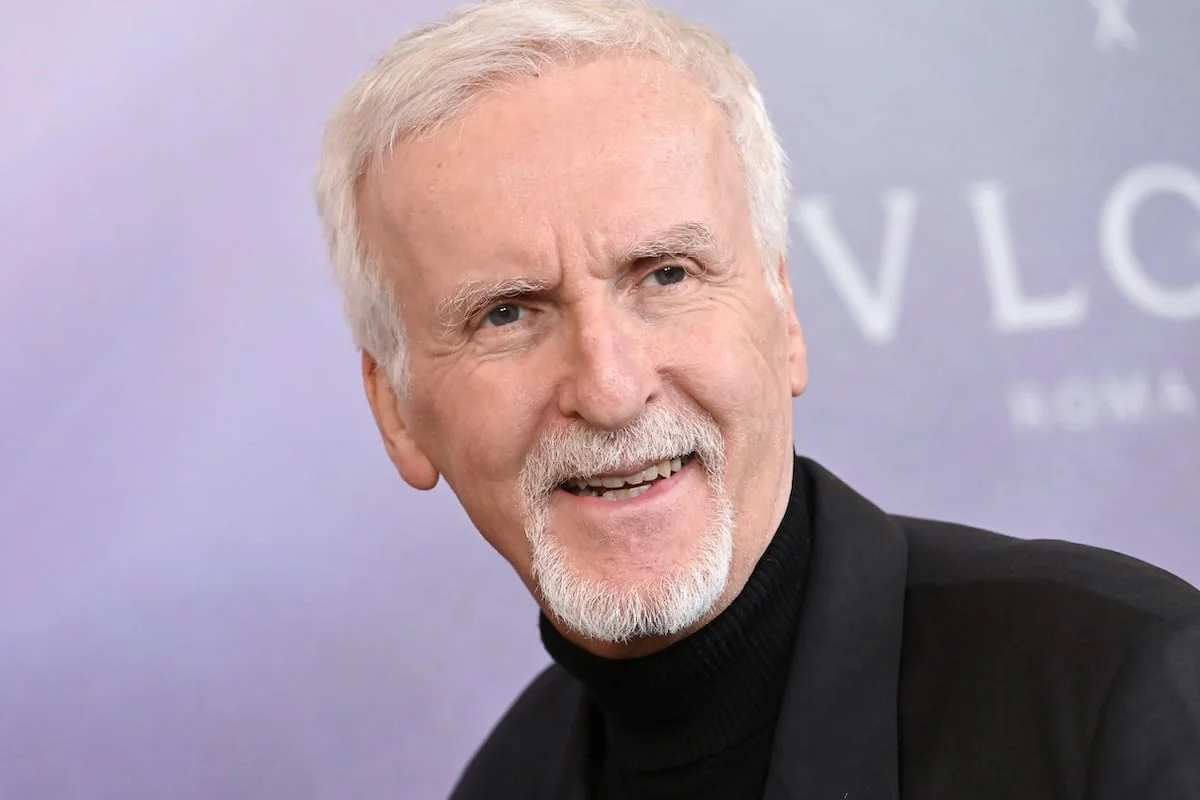
The director frames the issue in patriotic terms, underscoring the importance of the U.S. movie industry as a global cultural export and a significant component of American soft power. Cameron warns that the transaction threatens not only jobs but also consumer choice within the entertainment sector during a time when the U.S. is grappling with trade deficits and economic challenges.
Cameron’s Critique of Netflix’s Business Model vs. Theatrical Film Exhibition
In his letter, James Cameron voices deep skepticism about Netflix’s dedication to theatrical releases, calling out Netflix co-CEO Ted Sarandos for statements dismissing movie theaters as “an outdated concept” and “an outmoded idea.” Cameron explicitly challenges Netflix’s fundamental business model, which focuses on streaming rather than theatrical exhibition. He argues this model is incompatible with sustaining the cinema ecosystem, which employs hundreds of thousands and relies heavily on studios like Warner Brothers for releasing approximately 15 films per year.
Mr. Sarandos is a good person and a clever business leader and innovator, but the goals of his company are directly opposed to the health of the cinema marketplace,
Cameron states.
He stresses that redirecting Warner Brothers’ film production from theatrical release to streaming would severely damage theaters, forcing closures and resulting in widespread job losses across the production supply chain, including visual effects companies and other service providers.
Economic and Cultural Stakes Highlighted by Cameron
Cameron draws attention to the broader economic ramifications, noting the potential negative impact on one of America’s largest export sectors — its films. He underlines the importance of movies as America’s dominant cultural export, a title the country can no longer claim in industries like automobile or steel manufacturing. The filmmaker warns that the merger could cause the U.S. to lose its leadership position in the global movie business.
At a time when the US trade deficit is a major concern, one of America’s largest export sectors will be negatively impacted,
Cameron says.
Which is to say nothing of the cost to our greatest cultural export: movies. The US may no longer lead in auto or steel manufacturing, but it is still the world leader in movies. That will change for the worse.
Cameron’s Experience and Previous Opposition to the Deal
This is not Cameron’s first public objection to Netflix’s acquisition of Warner Brothers. Following the announcement that David Zaslav and the WBD board preferred Netflix’s offer over Paramount’s, Cameron previously expressed support for Paramount as a healthier option for the studio’s future. Much of Cameron’s concern stems from Sarandos’ contentious past statements about theatrical release viability, which the Netflix executive has revised in recent months.
As WBD moves forward with talks with Netflix, including a brief negotiation window through February 23 after Paramount filed a hostile $103 billion bid backed by the Ellison family, Cameron remains vocal. He rejects Netflix’s public promises about preserving theatrical release windows, warning that these commitments are likely short-lived and “ridiculously short.”
Skepticism Over Netflix’s Promise on Theatrical Release Windows
Netflix’s pledge to uphold a 17-day theatrical release window has drawn Cameron’s particular criticism. He contrasts it with the much longer theatrical stays that have historically generated the bulk of box office revenues for films like Titanic and the Avatar series, which enjoyed theatrical runs lasting months.
Though a pledge for a theatrical window may be given now in order to assuage critics of this ill-conceived merger, there is no guarantee of how Netflix may run its business in years to come,
Cameron warns.
The director further outlines that a release window without an accompanying guarantee of wide theater distribution is meaningless. He notes that major theatrical releases typically open in more than 3,000 theaters domestically, whereas Netflix has conducted only a handful of theatrical releases, usually limited in scope and motivated by awards qualifications rather than commercial strategy. He questions what enforcement mechanisms would exist to hold Netflix accountable if it gradually abandons theatrical release commitments once the merger closes.
Political Reactions and Industry Response
Cameron’s letter was made public by CNBC on the same day Senate Democrats, including Minority Leader Chuck Schumer, expressed concern over the deal. They indicated interest in probing David Ellison’s affiliation with former President Trump and criticized his refusal to testify before the Senate Judiciary antitrust subcommittee. Meanwhile, Ted Sarandos posited Paramount’s cost-cutting plans as a greater threat to the industry, signaling a sharply divided perspective within Hollywood’s power players.
Senator Mike Lee, echoing some of Cameron’s concerns, issued a statement after the letter’s release acknowledging outreach from actors, directors, and others in the film community worried about the Netflix-WB deal.
We have received outreach from actors, directors, and other interested parties about the proposed Netflix and Warner Brothers merger, and I share many of their concerns,
Lee said, before promising a follow-up hearing to further investigate the matter.
James Cameron’s Letter to Senator Mike Lee: A Detailed Warning
In his nine-page letter, Cameron details his career as a filmmaker responsible for some of the most successful movies of all time, underscoring his commitment to theatrical exhibition. He describes how the cinema market has contracted by roughly 30% partly due to changes in media consumption worsened by the Covid-19 pandemic and the rise of streaming platforms.
He presents himself as a “humble movie farmer” who has pioneered technologies enhancing the theatrical experience, such as digital 3D and high frame rate displays, asserting the cinema experience remains a vital cultural pillar and key to his creative vision.
He reiterates that Netflix’s core business is streaming, a model fundamentally clashing with theatrical releases, which threatens large parts of the movie business dependent on theaters and theatrical windows. Cameron warns that significant job losses will occur if studios reduce the number of traditional film productions, detailing how his own “Avatar” productions have sustained thousands of jobs over multiple years.
On the theatrical window length, Cameron argues that Netflix’s 17-day pledge is insufficient compared to the industry norm, with many advocating at least 45 to 60 days. He emphasizes that a token theatrical window combined with limited theater presence undermines the livelihood of theaters and exhibitors.
Finally, Cameron highlights the absence of guarantees for Netflix’s long-term commitment to theatrical releases and asks the Senate Subcommittee to consider these risks carefully due to the merger’s irreversible nature.
What This Means for the Future of Movies and Audiences
James Cameron’s intervention sheds light on the deep concerns held by many industry veterans about the consolidation of streaming and traditional studios. His message emphasizes that if Netflix’s acquisition of Warner Brothers proceeds unchecked, the theatrical market could contract further, leading to fewer films, theater closures, and extensive job losses in dozens of sectors tied to film production and exhibition.
As the Senate prepares to hold further hearings and debates on antitrust grounds, the outcome of this merger could reshape the American film industry’s landscape, affecting everything from how movies reach audiences to the cultural role cinemas play in society.
Hollywood insiders, lawmakers, and trade groups will be watching closely to see whether the promises Netflix has made about supporting movie theaters hold firm or whether the fears expressed by Cameron and others prove prescient.
Ted Johnson contributed to this report.
