
The upcoming live-action Masters of the Universe movie is bringing a fresh and complex take on the iconic villain Skeletor, played by Jared Leto. Set for release on June 5, 2026, this adaptation promises a darker and more layered version of Eternia’s most notorious antagonist, emphasizing Jared Leto Shakespearean Skeletor as a central figure in the story’s evolution.
Director Travis Knight has revealed key details about what Leto is offering to the character, highlighting a significant departure from past portrayals that adds intensity and depth to this version of the villain.
A New Cinematic Approach to Skeletor’s Look and Presence
This new film marks the next live-action interpretation following the 1987 Masters of the Universe, which starred Dolph Lundgren. The latest movie raises the stakes with advanced technology and a more expansive scope. Knight shared that Leto wore a blue-skinned muscle suit during filming at DNEG’s post-production facilities in London, which gave the character a physical heft on set.
Instead of a mask, Skeletor’s skull face was created through computer-generated imagery, blending practical costume elements with digital effects. This approach allows a dynamic combination of live-action performance and cutting-edge visual design, ensuring Skeletor’s presence is both tangible and menacing on screen.
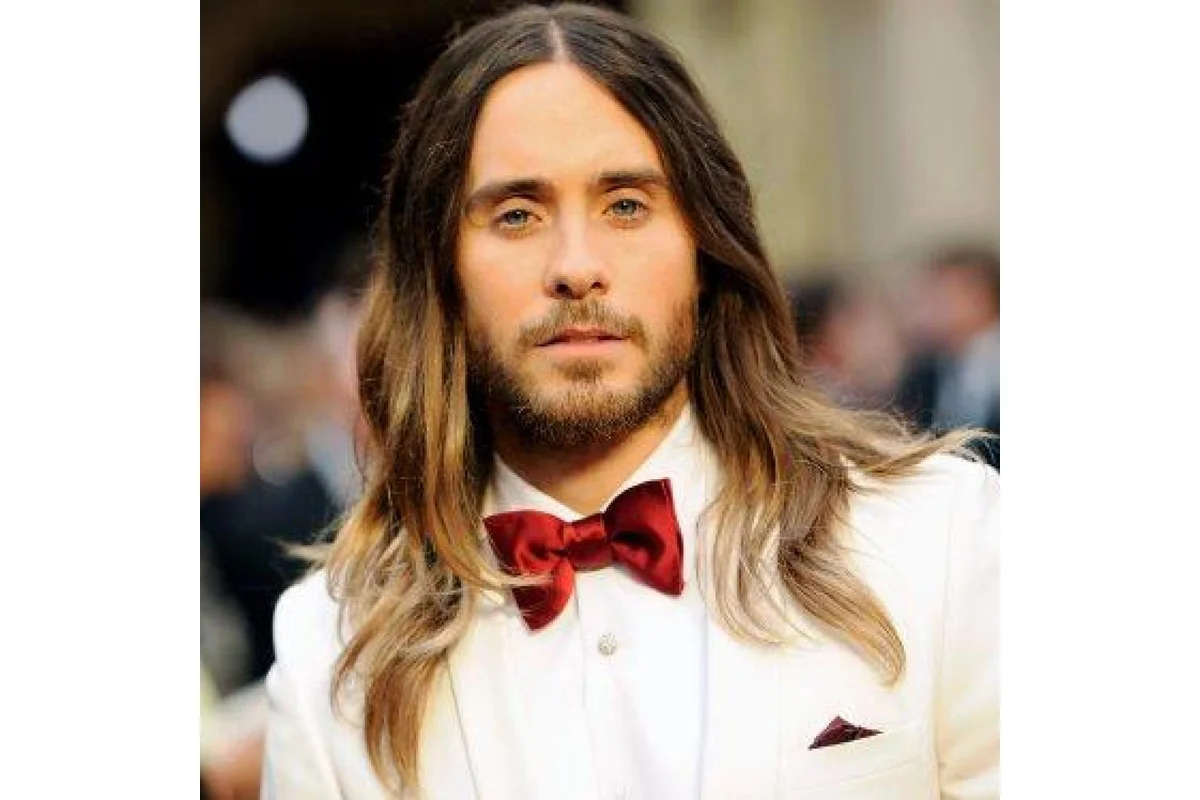
A Shakespearean Vocal Style Redefining Skeletor’s Voice
One of the most striking changes comes through Leto’s voice work. His vocal portrayal avoids the familiar nasal tone made famous by Alan Oppenheimer in the original animated series, instead adopting a dry, Shakespearean style that adds a formal, cutting edge to the character’s speech.
“And while (Jared Leto’s) vocalisation avoids rehashing the memorable nasal whine of the original cartoon Skeletor (voiced by Alan Oppenheimer), it doesn’t sound like his own, having instead a dry, Shakespearean timbre.”
This choice gives the character a more controlled and regal cruelty, suggesting a villain who is theatrical and intellectual rather than simply overtly evil or campy. It also aligns with the director’s vision of presenting Skeletor as a modernized figure with significant thematic weight.
Collaborative Vision Behind a Reinvented Villain
Travis Knight actively sought an actor capable of reimagining Skeletor instead of repeating past versions. Knight explained how Jared Leto’s passion for the character influenced his unique portrayal.
“Jared approached us because he loves Skeletor and has his own history with the character. He wanted to swing for the fences.”
This enthusiasm led to a collaboration closely involving Leto to craft a version of Skeletor that felt fresh and compelling. Knight described the outcome as a performance he was truly pleased with, aiming to extend the character’s impact beyond typical fantasy villainy.
Moreover, Knight previewed a thematic layer for Skeletor, portraying him as an embodiment of toxic masculinity, which hints at an exploration of the villain’s psychology and his influence within the fictional world of Eternia and possibly beyond.
Star-Studded Cast and Production Details
The film’s narrative revolves around He-Man and his allies as they face off against Skeletor and his forces to protect Eternia. Nicholas Galitzine leads the cast as He-Man, joined by Camila Mendes, Alison Brie, James Purefoy, Morena Baccarin, Idris Elba, and Jared Leto.
Writing credits include Aaron and Adam Nee, Chris Butler, and David Callaham, with the Nees also collaborating on the story alongside Alex Litvak and Michael Finch. The film is being distributed by Amazon MGM Studios in the United States and Canada, while Sony Pictures Releasing handles international markets.
Anticipated Impact of a Darker Skeletor
With its sophisticated blend of physical effects, digital artistry, and a voice performance framed in classical theatricality, the new Jared Leto Shakespearean Skeletor is poised to be a standout figure in the Masters of the Universe release. Fans and newcomers alike can expect a more complex villain who embodies contemporary themes through a fantastical lens.
This darker interpretation may redefine how Skeletor is perceived, potentially influencing future portrayals of iconic fantasy villains in cinema and deepening the narrative resonance of the film’s conflict on Eternia.
