
Project Songbird, developed by Conner Rush’s FYRE Games studio, is set to launch on March 26, 2026, for PlayStation 5, Xbox Series X|S, and PC. This narrative-driven horror game, inspired by the works of filmmaker Robert Eggers, taps into themes of isolation and folklore through the story of Dakota, a musician battling creative block in a remote Appalachian cabin. The game promises a unique blend of atmospheric storytelling and psychological tension, building on the creative vision of Rush and the talent of voice actor Valerie Rose Lohman.
Project Songbird leverages the eerie, slow-burn style of horror seen in Eggers’ films like The Witch and The Lighthouse, though it places its story in a contemporary setting. By focusing on an artist’s psychological turmoil and intertwining folklore from Rush’s Appalachian roots, the game explores the descent into madness away from civilization, playing on familiar Eggers motifs without replicating his period environments. This grounding in authentic, personal experience contributes to the title’s rich narrative atmosphere.
Building Atmosphere Through an Experimental Approach
Conner Rush describes Project Songbird as a risky, experimental project that embraces authenticity and artistic freedom.
“I think we have developed something here that feels super authentic to ourselves. It’s a risk-taking game. It doesn’t play anything safe, and I think that’s going to hit with some people. We’re getting a little experimental at points,”
Rush said, highlighting the game’s intent to push boundaries in storytelling and gameplay.
The game’s protagonist, Dakota, is a struggling musician who retreats to a secluded Appalachian cabin to overcome a deep creative funk. This setup serves as a fertile backdrop for uncovering dark, supernatural forces lurking within the forest, weaving in mystery and tension alongside the protagonist’s personal challenges. The story heavily focuses on themes of self-isolation and folklore, evoking a haunting ambiance with a southern gothic edge.
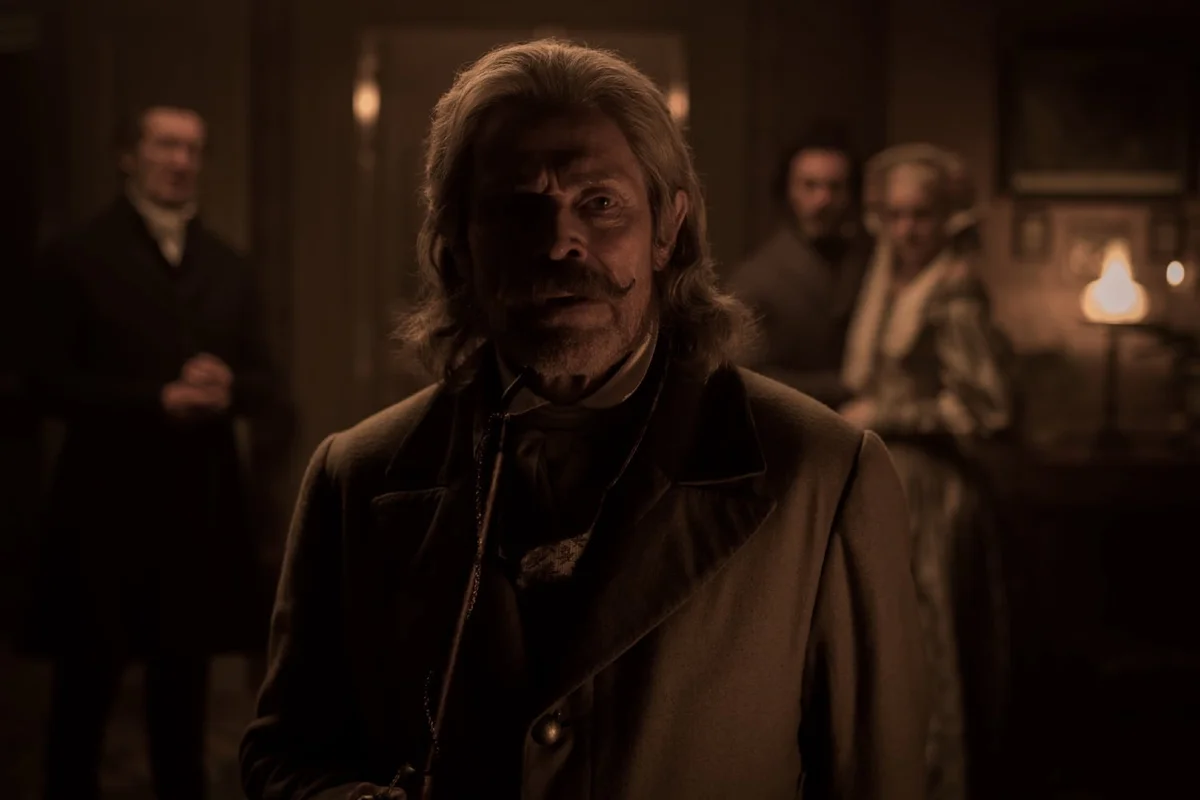
A Standalone Teaser Demonstrating Unique Gameplay and Tone
Late last year, FYRE Games released Faceless, a free-to-play teaser on Steam, offering a non-linear, standalone peek into Project Songbird’s world. Rather than providing a traditional demo that might reveal spoilers or lack context, Rush chose an original narrative experience as a strategy to engage players.
“Project Songbird is a story-driven experience, and when I was trying to identify a section that could represent it well in a demo, I just couldn’t pick one. It’d either end up spoiling things that we’re not yet ready to reveal or would be unengaging because the player lacks necessary context. You just wouldn’t get invested in what’s happening like you’re meant to,”
Rush explained.
Inspired by other standalone horror teasers like the Spanish game Luto and the famous P.T. demo for Silent Hills, Rush crafted Faceless with elements both borrowed from the final game’s environment and original sequences. This method lets players experience a complete, atmospheric vignette that stokes interest without revealing the main game’s secrets.
Rush acknowledges the demo’s success as an informal playtest, noting how player behaviors have influenced subsequent development.
“Players are doing this one thing that I never thought they’d try. I should account for that!”
he said, describing tweaks to enemy AI and design in response to user feedback. This iterative approach has helped shape Project Songbird into a more polished and engaging experience.
Influences Beyond Film: Crafting a Unique Horror Narrative
Project Songbird draws heavily on the cinematic styles of Eggers, David Lynch, and Ari Aster, filmmakers known for their atmospheric tension and character-driven stories. Rush values the slow burn, arthouse tone these directors bring and strives to replicate that mood within a game format.
“I’m a huge fan of [Robert] Eggers, especially The Witch and The Lighthouse, both of which have left a big imprint on this game. I also really like the works of Ari Aster. I just love that risky, slow burn, arthouse feel. I love the tension it brings and the uniqueness you get,”
Rush shared.
While Eggers’ emphasis on historical accuracy and period detail is well-known, Project Songbird adapts his style tonally rather than setting-wise. Appalachian folklore, a childhood home environment for Rush, informs the supernatural elements, with themes of witchcraft and isolation woven into the narrative. This personal connection infuses the game with emotional depth and cultural specificity.
Outside of film, classic games have also shaped the project. Rush cites inspirations like the Resident Evil series and Silent Hill, the latter gaining particular attention after the recent remake of Silent Hill 2. He also acknowledges an accidental resemblance to Alan Wake, reflecting overlapping ideas around isolation and darkness.
Many aspects of the walking simulator genre have informed Project Songbird’s design, especially voice acting and storytelling. Titles like What Remains of Edith Finch, Firewatch, The Vanishing of Ethan Carter, Virginia, and Everybody’s Gone to the Rapture have influenced both narrative pacing and character development, helping to balance quiet introspection with moments of tension.
Blending Traditional Gameplay With Player Agency
Unlike typical walking sims, Project Songbird incorporates combat and stealth elements. Players can wield weapons such as an axe or a firearm to confront eerie creatures stalking Dakota. This shift adds urgency and player control, aiming to prevent the protagonist from feeling powerless.
“This is my seventh game, and each one I’ve done up until now has been that walking sim experience. I’ve gotten a lot of good reception doing that. But I don’t want to rest on my laurels too hard, and felt like I needed to step outside of my comfort zone,”
Rush explained.
He credits Resident Evil Village as a key influence for combat mechanics, appreciating its fluid feel. Integrating these elements aligns with Dakota’s characterization as a strong, confident individual who confronts supernatural threats with agency, enriching the story by matching gameplay to narrative tone.
Valerie Rose Lohman Brings Depth to the Protagonist’s Voice
Valerie Rose Lohman, best known as Edith Finch from What Remains of Edith Finch, voices Dakota. Her casting brings not only familiarity with the walking simulator genre but also intense emotionality to the role. Rush initially didn’t realize Lohman was the original Edith Finch voice when they connected on TikTok but quickly recognized her talent and fit for the character.
“Our meeting was funny because I actually didn’t know Valerie was the voice of Edith Finch at first. I saw some of her sketches on TikTok… and I just assumed she was doing a great impression [laughs],”
Rush recalled. After realizing her identity, he tailored Dakota’s character with her voice in mind.
Lohman acknowledges the quality of the script and the emotional challenge the role presented.
“It’s taken me to some places that I haven’t been before. I’m so excited for players to go on the emotional journey. It’s a true rollercoaster,”
she said. The script allowed her to explore Dakota’s isolation and vulnerabilities, adding layers to a character described as emotionally complex and passionate despite battling self-doubt.
Music as a Core Element of Storytelling and Atmosphere
Music is integral to Project Songbird beyond mere motivation for the plot. Dakota’s character is deeply connected to music, and the game reflects this through an interactive record collection featuring real songs from local Appalachian and Pittsburgh artists. Players can inspect album covers and play tracks, receiving commentary from Dakota about the bands and personal meaning behind the music.
Rush, a musician himself, curated this collection partly through a public call for submissions.
“I got hundreds and hundreds of submissions, which I then narrowed down to 21,”
he said. By showcasing regional talent, the game acts as a platform for musicians who may reach new audiences through the title.
Lohman’s familiarity with creative struggles aligns with the theme of artistic block and rediscovery. She connected personally with the narrative’s exploration of falling out of love with one’s art and finding the way back, a universal experience for many artists.
Infusing Authentic Appalachian Identity into the Setting
Project Songbird’s setting is deeply rooted in Appalachian culture, drawn from Rush’s upbringing in Tucker County, West Virginia. The cabin featured in the game is modeled after his family’s own structure, and folklore from the region features prominently, adding layers of authenticity and personal meaning.
Though Rush prioritizes emotional truth over strict realism, he engaged in location scouting to capture the environment’s feel accurately.
“My grandfather is an old coal miner, so he took me to some abandoned mines to get a feel for what they look like,”
Rush recounted. As a tribute, the cabin owner character is named Don Prickett after his grandfather, weaving family history into the game’s fabric.
Anticipated Impact and Player Engagement Ahead of Release
With its March 26 launch date, Project Songbird has generated significant buzz, fueled by its teasers, unique approach, and connections to respected creatives. Rush and Lohman express hope that the game will resonate emotionally with audiences, similar to the impact of What Remains of Edith Finch.
“One of the things that I’ve always loved about video games is how they can create and encourage empathy. I experienced that when working on Edith Finch,”
Lohman said, anticipating that the game’s intimate storytelling and emotional depth will touch players profoundly.
By blending semi-autobiographical elements, regional folklore, innovative gameplay, and atmospheric horror inspired by filmmakers like Robert Eggers, Project Songbird aims to deliver a fresh and immersive experience. Its combination of narrative complexity, emotional resonance, and haunting ambiance positions it as a standout in the horror genre for 2026.
