
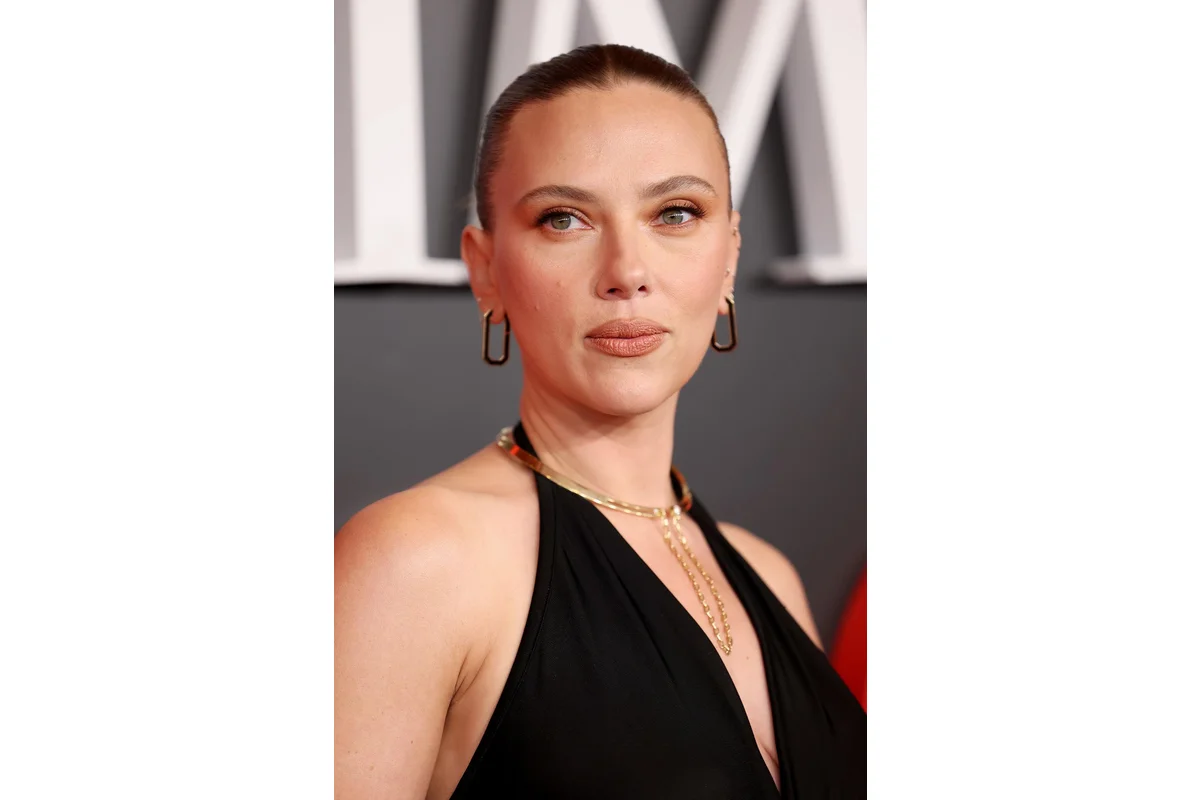
Actress Scarlett Johansson has emerged as a prominent figure in Hollywood’s growing battle against the unauthorized use of voice and likeness by artificial intelligence companies. Beginning in 2023, Johansson initiated legal proceedings against Lisa AI for their unapproved use of her voice and images to promote their app. She extended her fight in 2024 by filing a lawsuit against OpenAI for creating a likeness of her voice without consent, marking Johansson’s commitment to challenging AI theft in the entertainment industry.
This fight highlights the escalating concerns over AI companies exploiting the work and identities of artists without proper authorization, emphasizing Johansson’s role in a wider movement among stars to protect creative rights.
Widespread Industry Concerns and the Limits of Legal Action
Many actors, writers, and musicians have joined Johansson in protesting the unauthorized use of their work by AI, yet few have pursued legal remedies. Despite public complaints from stars like Morgan Freeman, Tom Hanks, and Taylor Swift about AI infringements, significant lawsuits remain rare. The complexity of existing copyright laws and the legal system’s unpreparedness for AI-related cases contribute to this reluctance, as evidenced by dismissals such as Sarah Silverman’s class-action suit against OpenAI.
Although individual creators have struggled in court, some victories have come through large settlements; in September 2025, the AI company Anthropic settled for $1.5 billion in a lawsuit brought by writers. Similarly, voice-over artists Paul Skye Lehrman and Linnea Sage filed a class-action case against startup Lovo, reflecting ongoing legal battles faced by individuals in the industry.
Hollywood’s Complicated Relationship with AI Technology
While stars and creators raise alarms about AI’s misuse, Hollywood studios and production companies are actively engaging with AI technologies—often clandestinely through nondisclosure agreements. At the 2025 Zurich Film Festival, Dream Lab LA’s CEO Verena Puhm revealed that major studios are investing in AI projects, underscoring the industry’s complex stance on the technology.
Hollywood talent agents are even scouting AI-driven personas, such as the controversial AI actress Tilly Norwood, signaling that the sector views AI as a valuable asset despite ethical concerns. The technological benefits are clear in recent films: Ukrainian company Respeecher employed AI to perfect the Hungarian accents of Adrien Brody and Felicity Jones in The Brutalist, and AI was instrumental in de-aging Harrison Ford for Indiana Jones 5. These examples demonstrate AI’s transformative potential in filmmaking and video game production by reducing costs and enhancing realism.
Conflict Between Creators and Corporations Over AI Usage
The central conflict arises from the fact that many creators who oppose rogue AI enterprises also have professional ties to studios collaborating with AI firms. This duality complicates efforts to establish unified resistance. Major corporations like Disney and Universal Pictures have secured legal victories against AI companies such as Google and Midjourney to protect their intellectual property, but critics argue their focus is more on controlling AI within their domain than defending individual artists’ rights.
For example, Disney’s December 2025 cease-and-desist order against Google led to the tech giant halting the reproduction of Disney characters by its AI tools. Similarly, Warner Music won a lawsuit against Suno, an AI firm, securing greater control for artists over their likenesses and voices. Despite these corporate wins, individual contributors often lack the resources for effective legal recourse.
Growing Investments in AI Reflect Hollywood’s Embrace of Technology
Hollywood’s financial backing of AI ventures is growing rapidly, signaling widespread acceptance of the technology despite vocal opposition. In late 2025, Disney made a $1 billion equity investment into OpenAI’s Sora platform, granting it rights to use popular character likenesses from Marvel, Pixar, Disney, and Star Wars in user-generated AI content. This deal highlights the paradox for actors like Johansson, who must navigate partnerships with companies they legally challenge.
Other significant investments include the Saudi Investment Forum’s $900 million funding round for Luma AI—a company previously accused of misappropriating Disney’s intellectual property. Luma AI, which owns Dream Lab LA, continues to collaborate with Hollywood professionals such as Verena Puhm and filmmaker Jon Finger, illustrating the merging of AI innovation and entertainment.
Celebrity Backing Accelerates AI Adoption in Entertainment
Several high-profile Hollywood stars are investing in AI startups, signaling the industry’s increasing reliance on the technology. Sylvester Stallone supports LargoAI, an AI analytics firm focused on film and television; Jared Leto has invested in Captions, a generative AI company; and Ashton Kutcher’s venture capital firm, Sound Ventures, funds multiple AI enterprises including OpenAI.
Actors are also signing deals that allow AI companies to use their voices and likenesses commercially. For instance, Oscar-winning actors Michael Caine and Matthew McConaughey have partnered with Eleven Labs, a major AI voice company, reflecting a growing trend toward formal agreements that benefit creators economically and legally.
Challenges Ahead: Balancing Innovation and Personal Rights
The entertainment industry remains divided over AI’s role—some view it as a tool to advance creativity and cut production costs, while others condemn it as theft that undermines talent and artistic labor. The potential for AI to disrupt careers is a pressing concern, echoing global fears about automation and technology replacing human jobs.
Unlike previous technological shifts like visual effects, AI’s ability to replicate voices and images introduces novel risks. With major studios focusing on integrating AI rather than halting it, the responsibility to protect personal creative content falls increasingly to individual artists rather than collective industry efforts. This shift undermines campaigns like Stealing Isn’t Innovation, which call for stricter controls on AI usage in creative fields.
Individual Protections and the Road Forward
Industry veterans have set examples for safeguarding their identities from AI misuse. Matthew McConaughey notably trademarked his voice and image back in 2016, a move credited with providing greater protection against unauthorized AI replication. Members of the Stealing Isn’t Innovation campaign, including Johansson, might adopt similar strategies as legal frameworks evolve.
Nonetheless, comprehensive regulation and enforcement against AI misuse remain elusive. Hollywood’s future is entwined with AI technology, and both creators and corporations will need to navigate this complex terrain carefully, balancing innovation with respect for individual rights.
