
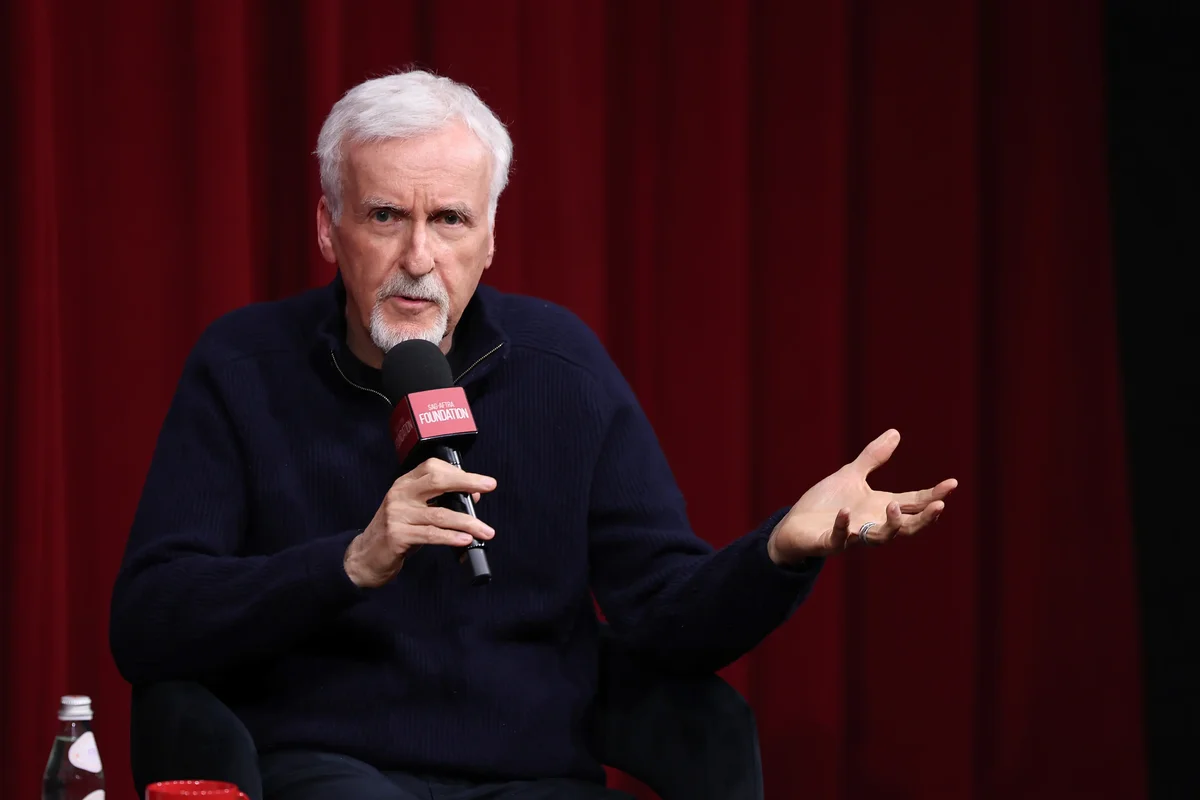
James Cameron, the director famous for Titanic, has spoken out against Netflix’s bid to acquire Warner Bros. Discovery, urging the U.S. Senate Antitrust Subcommittee to block the deal. Cameron warned that the streaming giant’s takeover could harm the theatrical movie experience, describing it as potentially turning
“the theatrical experience of movies [into] a sinking ship.”
The studio confirmed on Tuesday that it would resume negotiations with Paramount Skydance, which made a competing offer, under a seven-day waiver granted by Netflix. Despite reopening talks, Warner Bros. Discovery still favors the agreement with Netflix, creating pressure as the deadline approaches.
Understanding the Competing Offers for Warner Bros
Netflix is aiming to purchase Warner Bros.’ streaming and film assets, which include HBO, HBO Max, Warner Bros. Film and TV Studios, and DC Studios. This deal would consolidate a large portion of television and movie content under Netflix’s banner.
On the other hand, Paramount has placed a hostile takeover bid for the entire company, including the studios, streaming services, and all cable networks like CNN. Their offer, initially rejected, has been revived in ongoing talks with Warner Bros. Discovery. Paramount’s bid is supported financially by Larry Ellison, the billionaire father of Paramount CEO David Ellison, who is known for his political ties to former President Donald Trump’s administration.
Should Paramount succeed, the Ellisons would gain control of CBS News and CNN, stirring concerns about further concentration of media ownership. Both deals are positioned to significantly reshape the media industry but have prompted scrutiny over competition and market consolidation.
What the Takeover Could Mean for Theatrical Moviegoers
Movie lovers who cherish seeing films on the big screen might face changes depending on who wins the battle for Warner Bros. Netflix has previously released films in theaters but often limits their exclusive theatrical run before shifting the movies to streaming. Netflix co-CEO Ted Sarandos declared the traditional theater release model outdated as recently as April last year. However, when announcing its deal, Netflix promised to continue releasing Warner Bros. films in theaters as well as on streaming platforms.
To maintain a theatrical presence, Netflix committed to a 45-day exclusive theater window for Warner Bros. films after the deal was announced. Paramount, meanwhile, has pledged to honor traditional theatrical windows and release more than 30 films in theaters annually. As one of the major studios, Paramount heavily depends on box office revenues, making the preservation of theatrical runs vital to its business model.
Historically, extended theatrical windows drive ticket sales before movies transition to online platforms. This could incentivize Paramount to keep longer theater-run periods. Notably, movie theaters in places like Saskatchewan continue to attract audiences despite the growth of streaming, highlighting the sustained appeal of in-person cinematic experiences.
Impact on Streaming Services and Viewers
For viewers who prefer streaming in the comfort of their homes, the implications remain uncertain as neither Netflix nor Paramount has provided full details on their streaming strategies post-merger. In Canada, Warner Bros. Discovery currently licenses HBO content to Bell Media’s Crave streaming platform under a multi-year exclusive agreement. Bell has emphasized that Crave is
“the home of HBO and HBO Max programming in Canada.”
It is unclear how a successful acquisition—whether by Netflix or Paramount—would affect Canadian customers who subscribe to Netflix, Paramount+, and can access HBO content through Crave. The consolidation may lead to more content being available on a single platform, benefitting users who prefer centralized streaming libraries.
Concerns About Job Security in the Industry
The impact on employment remains speculative until a definitive deal is struck, but industry insiders, including unions, are closely monitoring developments. Christopher Nolan, president of the Directors Guild of America (DGA), has engaged with representatives from both Netflix and Paramount to discuss potential consequences for guild members.
“A merger is going to mean loss of jobs. It’s going to mean consolidation. We all know that,”
Nolan said, acknowledging the realities of studio mergers.
“So, whether from Paramount, whether from Netflix, we’re interested in more about the specifics of how they get around these things.”
He also emphasized that the DGA is not currently taking sides or opposing either acquisition bid.
Antitrust Issues and Media Consolidation Debates
The possibility of further media consolidation has sparked significant alarm among politicians and regulators. Democratic Senator Elizabeth Warren labeled Paramount’s bid as
“a five-alarm antitrust fire and exactly what our anti-monopoly laws are written to prevent.”
Earlier, Warren described Netflix’s proposal as an “anti-monopoly nightmare” for the streaming market, warning it could lead to higher subscription prices for consumers.
California Attorney General Rob Bonta also urged antitrust enforcement, stressing the need to protect consumers and competition.
“Consolidation of markets has led to increased unaffordability, a loss of good-paying job opportunities and fewer choices for consumers,”
Bonta wrote, voicing concern over negative impacts stemming from media mergers.
Any final deal will require approval from the Federal Communications Commission and may invite scrutiny from state antitrust authorities, making regulatory approval a critical hurdle.
Looking Ahead: What’s Next in the Warner Bros Takeover Saga
The Warner Bros. Discovery board faces a high-stakes decision amid intense bids from Netflix and Paramount. The outcome will shape not only the future of Warner Bros. but also affect the entertainment landscape, theatrical moviegoing, and streaming competition for years to come. As industry giants negotiate and regulators review the bids, movie fans, employees, and consumers await clarity on how this battle will resolve and what it means for their viewing habits and entertainment options.
