
James Cameron, director of the blockbuster “Avatar” series, has expressed deep concern about Netflix’s proposed acquisition of Warner Bros., warning that it could devastate the traditional cinema industry. In a letter sent last week to Senator Mike Lee, chair of the Senate subcommittee on antitrust, Cameron cautioned that the deal threatens thousands of jobs and the theatrical movie business, key parts of the American film landscape.
Details from Cameron’s Letter to Senator Mike Lee
Cameron’s letter, recently obtained by CNBC, outlines the potential risks if Netflix completes its takeover of Warner Bros.’ studio and streaming operations. He argues that shifting Warner Bros. under Netflix’s streaming-focused model will undermine theatrical film production and distribution, which he said has been his lifelong passion. Cameron emphasized the stakes involved not only for the U.S. film industry but also for employment and cultural export.
“I believe strongly that the proposed sale of Warner Brothers Discovery to Netflix will be disastrous for the theatrical motion picture business that I have dedicated my life’s work to,”
Cameron wrote.
“Of course, my films all play in the downstream video markets as well, but my first love is the cinema.”
— James Cameron, filmmaker
Threats to Theaters and Employment from Reduced Big-Budget Films
The filmmaker warned that a decrease in the number of large-scale film productions could trigger widespread consequences. He predicted that theaters would shut down, fewer movies would be made, and job losses would escalate rapidly within the industry’s workforce. Cameron highlights the significant role theatrical releases play in sustaining the broader ecosystem of film employment and culture.
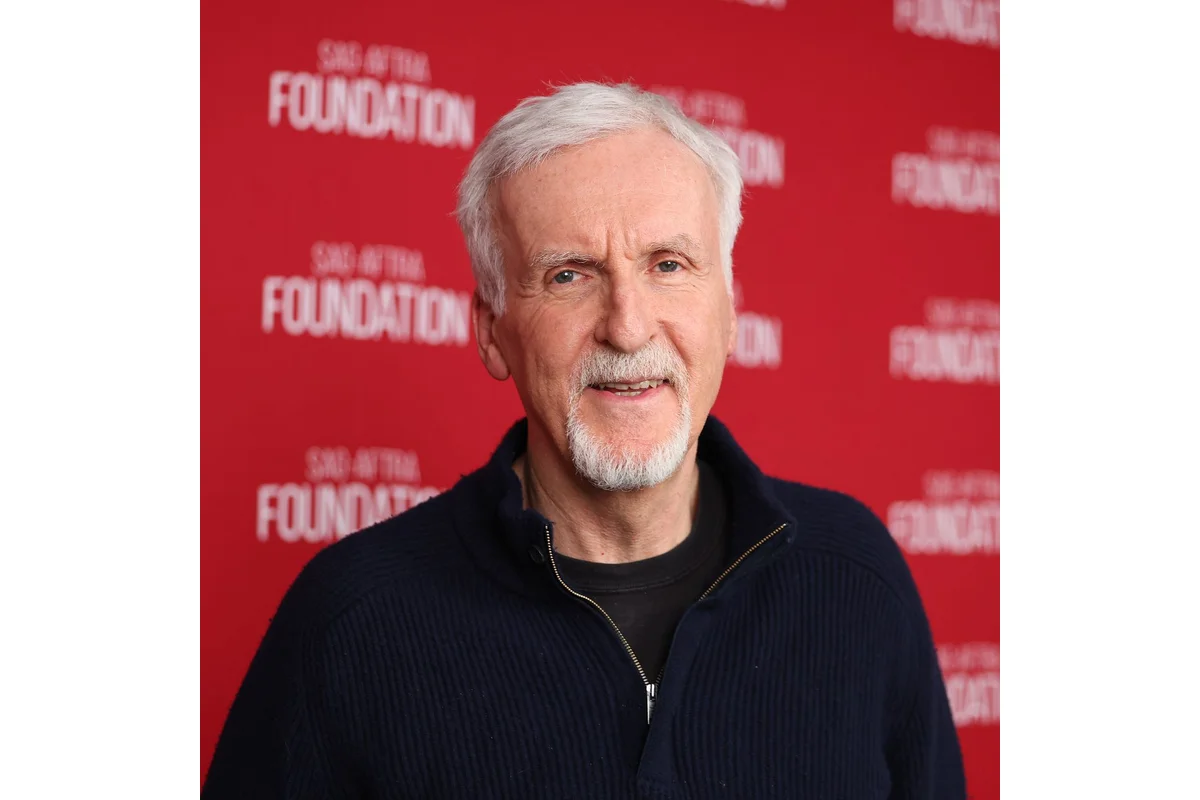
“Theaters will close. Fewer films will be made. The job losses will spiral.”
— James Cameron, filmmaker
How Netflix’s Business Model Conflicts With Traditional Cinema
Cameron identified a fundamental clash between Netflix’s streaming-first approach and the established theatrical film industry. He noted that Netflix’s model threatens hundreds of thousands of American jobs linked to cinema exhibition and production. This conflict is especially pronounced given Warner Bros remains one of the few major studios still operating under the traditional movie studio structure.
“The business model of Netflix is directly at odds with the theatrical film production and exhibition business, which employs hundreds of thousands of Americans,”
Cameron wrote.
“It is therefore directly at odds with the business model of the Warner Brothers movie division, one of the few remaining major movie studios.”
— James Cameron, filmmaker
Concerns About Hollywood’s Global Influence and Film Exports
Beyond the domestic impact, Cameron warned that the merger could also harm the United States’ status as the global leader in movies. He suggested that Hollywood’s dominance in the international film export market might erode if Netflix’s ownership alters production priorities.
“The U.S. may no longer lead in auto or steel manufacturing, but it is still the world leader in movies. That will change for the worse.”
— James Cameron, filmmaker
Senator Mike Lee Acknowledges Industry Reservations
Senator Mike Lee responded to the letter and broader industry concerns, noting that he has heard from actors, directors, and others affected by the proposed deal. He expressed his shared worries and indicated plans to hold additional hearings to discuss the potential consequences of the Netflix-Warner Bros merger.
“We have received outreach from actors, directors, and other interested parties about the proposed Netflix and Warner Brothers merger, and I share many of their concerns. I look forward to holding a follow-up hearing to further address these issues.”
— Senator Mike Lee, Chair of Senate Antitrust Subcommittee
The Broader Implications for the Future of Cinema
James Cameron’s warning comes amid growing anxiety over the evolving landscape of film distribution and production. Netflix’s acquisition of a major studio like Warner Bros could signal a turning point, shifting focus away from theatrical releases toward direct-to-streaming content. This change is perceived as threatening the financial viability of large-scale filmmaking and the cultural experience of cinemas.
If theaters close and fewer big-budget films are produced, the ripple effects could be significant, extending from employment losses to diminished American influence on the global film stage. This continues a larger debate about the future of Hollywood in an era dominated increasingly by streaming platforms versus traditional movie theaters.
