
In 2000, director E. Elias Merhige released Shadow of the Vampire, a film with a unique premise that imagines the making of the 1922 horror classic Nosferatu. The story suggests that director F.W. Murnau hired an actual vampire to portray Count Orlok, the vampire central to the original film’s plot. While in reality the role was played by German actor Max Schreck, Schreck’s haunting and unnatural performance inspired the inventive concept that he truly was a vampire. This speculation forms the backbone of Merhige’s film, which explores the terrifying consequences of Murnau’s insistence on authenticity for his movie.
Within the film, Murnau, portrayed by John Malkovich, convinces the vampire actor with a promise to allow it to drink the blood of the movie’s lead actress, Greta Schröder, after filming concludes. However, the vampire’s inability to restrain itself leads to several crew members’ deaths during production, an event that frustrates Murnau only because it delays his tight filming schedule. Willem Dafoe’s portrayal of Max Schreck/the vampire received widespread acclaim, earning him an Oscar nomination, and the film was also nominated for Best Makeup. Supporting cast members include Suzy Eddie Izzard, Cary Elwes, Udo Kier, and Catherine McCormick, each embodying figures involved in Nosferatu’s historic creation.
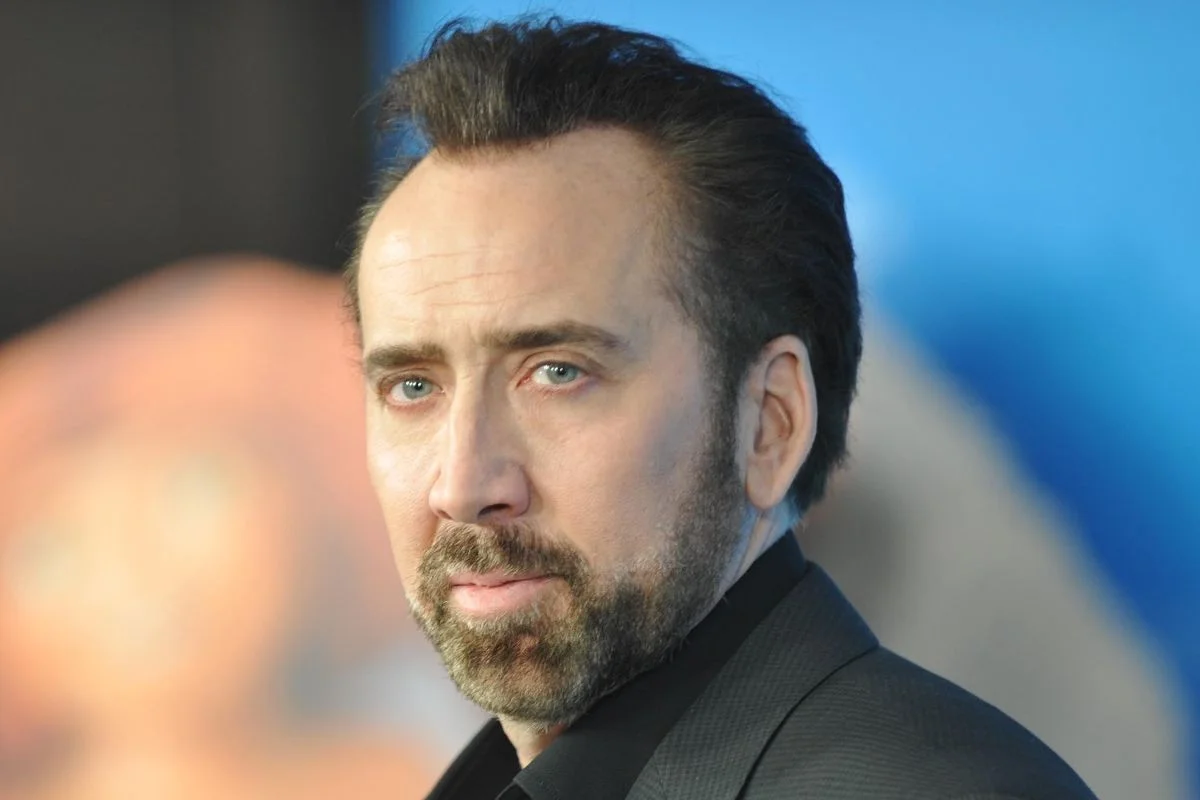
Nicolas Cage’s Role as Producer on This Cult Classic
What remains lesser-known is that Nicolas Cage served as a producer for Shadow of the Vampire. This project marked only the second time Cage took on a producing role, following his involvement with Christopher Coppola’s lesser-known film Bel Air. The film earned about $11.2 million worldwide against its $8 million budget, a modest box office performance balanced by its durable appeal among film students and enthusiasts. E. Elias Merhige, already known for the 1989 cult film Begotten, approached storytelling through myth and abstraction, which explained his aversion to conventional Hollywood filmmaking and contributed to his continuing reputation as an experimental horror creator.
Merhige’s later projects include short experimental films like The Din of Celestial Birds (2006) and Polia & Blastema: A Cosmic Opera (2022). Reports also indicate that he is currently filming a new feature titled Howl in Calgary. Meanwhile, Nicolas Cage was at the start of expanding his career beyond acting, having recently founded Saturn Films. This production company managed projects such as The Life of David Gale (2003) and the 2012 comedy A Thousand Words, but primarily functioned as a home for Cage’s personal projects. Saturn Films later produced Cage’s directorial debut Sonny and a variety of his starring vehicles, including adaptations and original works like Next, The Family Man, Lord of War, Knowing, and National Treasure.
Cage’s affinity for eccentric, bold roles aligns well with Merhige’s darkly poetic style, making their collaboration on Shadow of the Vampire a fitting pairing. More recent Saturn Films projects include titles like Arcadian, Willy’s Wonderland, and Longlegs, showcasing Cage’s continued dedication to producing work that blends intensity and originality.
Why Shadow of the Vampire Stands Out Among Vampire Films
Shadow of the Vampire remains one of the most compelling vampire films despite never achieving blockbuster status. Its story resonates deeply as both a reflection on artistic obsession and a dark commentary on the dangers of prioritizing art over human safety. This narrative explores a director’s willingness to endanger his cast and crew to maintain the veneer of creative authenticity, a theme that feels especially relevant in the post-#MeToo cultural landscape. The film’s blend of horror and meta-cinema continues to captivate audiences with its eerie atmosphere and subtle psychological tension.
The original Nosferatu endures as a landmark horror movie nearly 100 years later, maintaining its status despite legal battles over copyright involving the Bram Stoker estate. Its impact is further seen in Werner Herzog’s 1979 remake starring Klaus Kinski, and more recently, in Robert Egger’s 2024 adaptation featuring Bill Skarsgård. Egger’s version amplified the original film’s focus on sexual repression, combining striking visuals with chilling performances, yet Shadow of the Vampire arguably remains one of the most faithful homages by embracing the historical context of Murnau’s film and the artistic sacrifices involved.
Where to Watch and the Film’s Enduring Legacy
Though Shadow of the Vampire is not currently available for free streaming on major platforms, it can be rented digitally through the Prime Video store. Its status as one of the finest vampire films endures, often discovered and cherished by dedicated horror fans and cinephiles who appreciate its blend of fact, fiction, and dark fantasy. The film’s unique exploration of filmmaking, obsession, and supernatural horror sets it apart, preserving its place as a standout in the vampire genre.
This collaboration between Nicolas Cage as a producer and E. Elias Merhige as director provided a rare and influential film that remains relevant for both its artistic commentary and its contribution to horror cinema. Its continued availability for viewing ensures that new generations of viewers can experience this underrated gem and understand why it continues to inspire discussion among film buffs and horror aficionados alike.
