
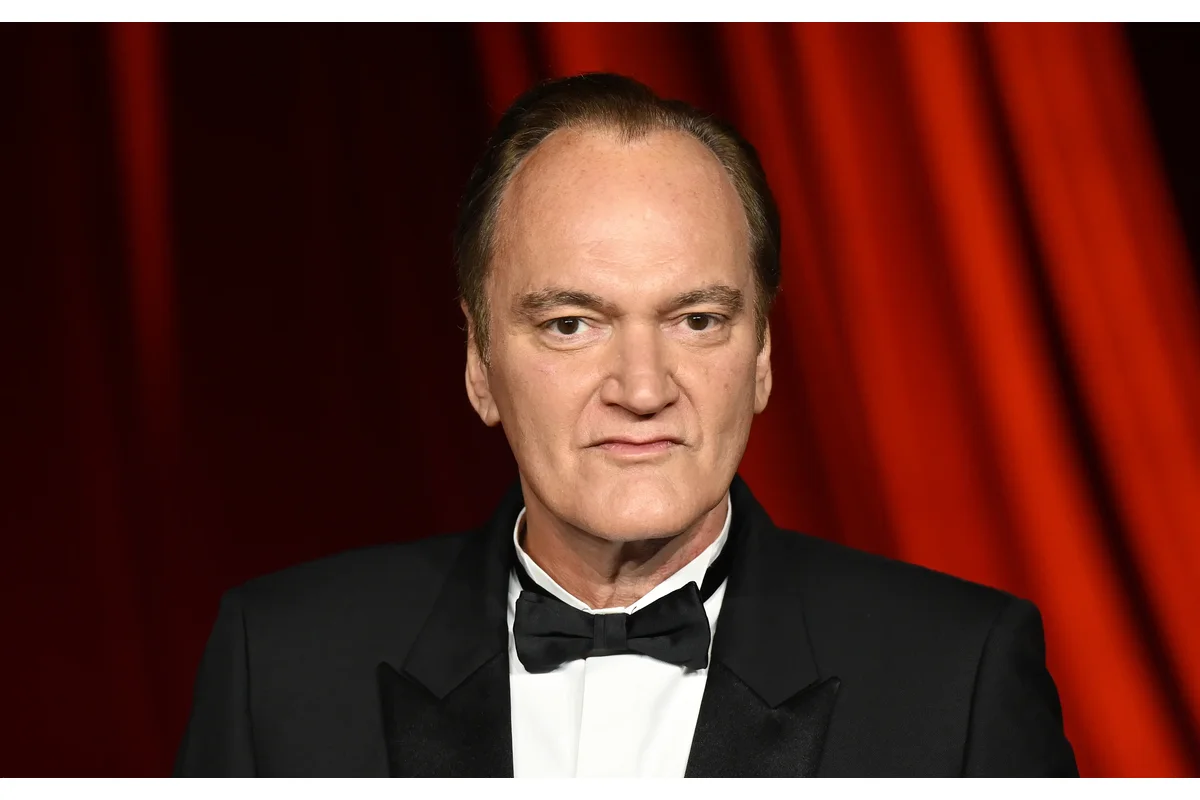
Quentin Tarantino’s opinion of True Detective’s first season remains sharply critical, despite widespread acclaim for the series. In 2015, during the promotion of his film The Hateful Eight, Tarantino admitted to Variety that he couldn’t even finish watching the pilot episode of True Detective. This dismissal stands in stark contrast to the praise and admiration that the season has earned since its release, particularly for its storytelling and cinematic qualities.
True Detective’s Season 1, created by Nic Pizzolatto and directed by Cary Joji Fukunaga, first aired on HBO and quickly became known for its complex narrative and deep character exploration. Set in Louisiana, it follows detectives Martin Hart and Rust Cohle, played by Woody Harrelson and Matthew McConaughey, as they investigate a baffling ritualistic murder spanning almost two decades. Despite Tarantino’s negative view, the series remains highly regarded for its unique approach to crime drama and richly detailed characters.
Why Season 1 of True Detective Is Widely Celebrated
True Detective’s initial season stands out among television dramas for its tightly woven plot and visual artistry. Each episode, penned by Nic Pizzolatto and skillfully directed by Cary Joji Fukunaga, employs a nonlinear timeline, alternating between the years 1995 and 2012. This structure allows audiences to piece together the mystery gradually while revealing the personal struggles of the detectives involved.
The story delves deeply into Rust Cohle’s nihilistic worldview shaped by substance abuse and trauma, contrasted with Martin Hart’s moral failings and infidelity. These conflicting personalities and investigative styles create a thought-provoking dynamic that adds layers to the central murder mystery, which revolves around the unsolved killing of a young woman. This narrative complexity helped earn True Detective a 92% approval rating on Rotten Tomatoes and a spot at #49 on IMDb’s Top 250 TV shows list.
Despite these accolades, Tarantino’s reaction was dismissive. While promoting The Hateful Eight, he candidly shared with Variety his feelings about the show:
“I tried to watch the first episode of season one [of ‘True Detective’], and I didn’t get into it at all. I thought it was really boring.”
— Quentin Tarantino, Filmmaker
This view clashes with the experience of many viewers who found the pilot, particularly the psychological dinner scene where Rust maneuvers a tense exchange with Martin in front of Martin’s family, anything but dull. This moment lays the foundation for the profound character conflicts that unfold throughout the series.
Exceptional Direction and Acclaim Beyond the Pilot
True Detective continued to impress with its high production values and storytelling prowess after the pilot episode. A standout moment in the season came during Episode 4, titled Who Goes There, which features a remarkable, nearly five-minute continuous shot capturing an intense action sequence. Director Cary Joji Fukunaga’s expertise earned him a Primetime Emmy Award for Outstanding Directing in a Drama Series for this episode.
In addition to Fukunaga’s award, the show secured five more Emmys, including Outstanding Cinematography for Adam Arkapaw’s striking visual work, and Outstanding Casting for a Drama Series, reflecting the strong ensemble and meticulous casting choices. These honors underscore the quality and impact of the series, highlighting why it continues to be held in such high regard by critics and audiences alike.
Mixed Views on True Detective’s Follow-Up Seasons
While Tarantino’s critique of Season 1 is contentious, he was more explicit about his disdain for the show’s second season. He remarked:
“And season two looks awful. Just the trailer — all these handsome actors trying to not be handsome and walking around looking like the weight of the world is on their shoulders. It’s so serious, and they’re so tortured, trying to look miserable with their mustaches and grungy clothes.”
— Quentin Tarantino, Filmmaker
Many agree with his negative impression of Season 2, which departed from the compelling chemistry and narrative clarity that defined its predecessor. The follow-up lacked the charismatic performances of Harrelson and McConaughey and was criticized for its overly complicated and heavy-handed tone.
Nevertheless, the legacy of True Detective’s first season remains intact, continuing to serve as a benchmark for HBO’s dramatic storytelling. Its influence extends beyond its initial run, impacting both viewers and creators within the crime drama genre.
The Lasting Influence of True Detective Season 1
Despite Quentin Tarantino’s early dismissal, True Detective Season 1 has secured its place as one of HBO’s standout achievements. The show’s exploration of flawed characters, combined with innovative direction and a hauntingly atmospheric setting in Louisiana, offers a compelling viewing experience that resonates years after its debut.
Its sustained popularity and critical acclaim highlight the challenges of subjective taste in entertainment, especially when comparing distinct artistic preferences. While Tarantino favors grindhouse and exploitation cinema, the depth and nuance of True Detective’s storytelling prove appealing to a broad range of audiences, affirming its reputation as a landmark television event in the past decade.
