
In HBO’s recent historical thriller The Sympathizer, Robert Downey Jr. delivers a remarkable showcase of his talent by inhabiting five distinct characters, a performance deeply inspired by Stanley Kubrick’s classic black comedy Dr. Strangelove. This inventive casting choice underscores the show’s satirical edge while vividly portraying Cold War tensions and espionage.
The Sympathizer Channels Kubrick’s Dr. Strangelove to Highlight Cold War Satire
The Sympathizer draws clear inspiration from Stanley Kubrick’s Dr. Strangelove, not only in tone but in its bold use of an actor playing multiple comedic roles. The series mirrors Kubrick’s sharp satire of Cold War politics by blending brutal realism with absurd humor. This is evident in the show’s depiction of state power and espionage, echoing the film’s unsettling accuracy and biting commentary.
Park Chan-wook, co-creator of The Sympathizer, explained that the multi-role performance of Peter Sellers in Dr. Strangelove sparked the innovative approach to casting that led to Downey Jr. playing multiple characters. However, the series also seeks to emulate Kubrick’s painstaking attention to detail in its portrayal of Cold War spycraft, reinforcing the satirical critique of the era’s paranoia and political folly.
For instance, the inclusion of a microfilm spy camera in The Sympathizer is a direct nod to Dr. Strangelove. This device grounds the narrative in a realistic framework, heightening the comedic and dramatic contrasts that underline both works’ messages about the futility and cruelty of Cold War conflicts.
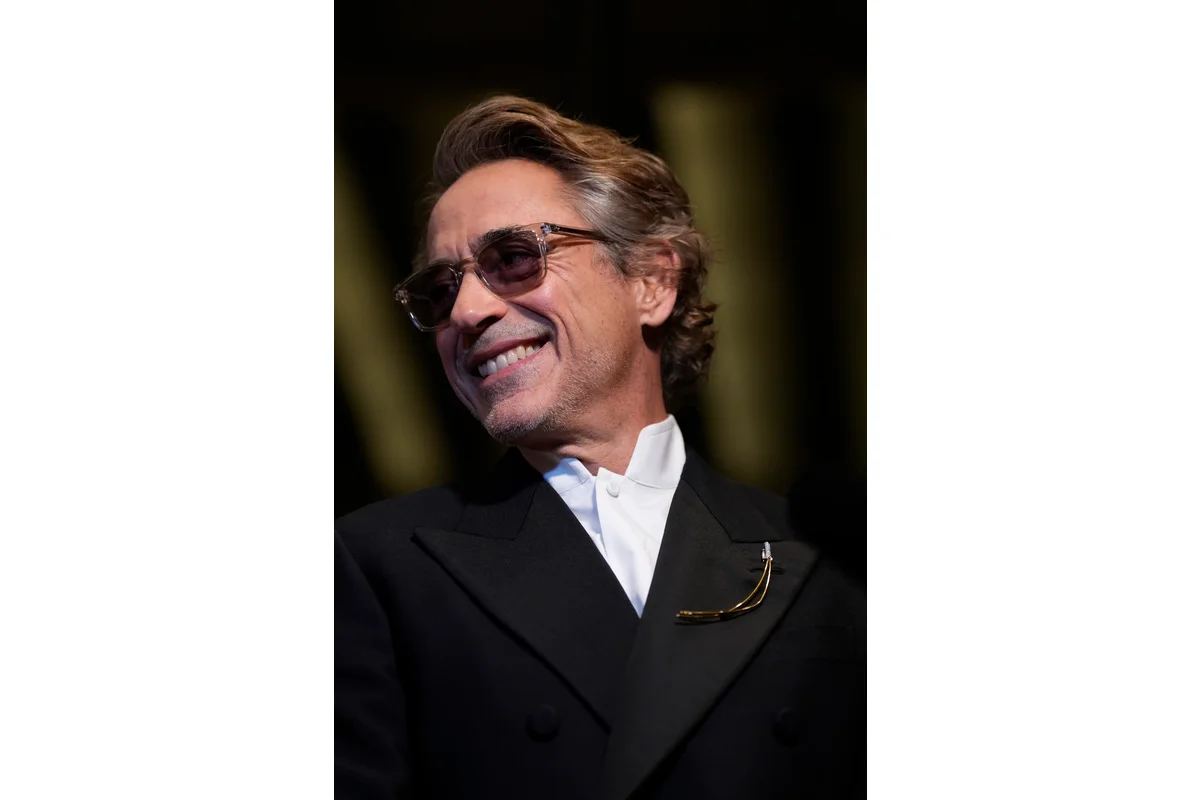
Robert Downey Jr. Exemplifies Versatility in Five Unique Characters
Based on Viet Thanh Nguyen’s Pulitzer Prize-winning novel, The Sympathizer follows a Vietnamese communist who secretly infiltrates American ranks during and after the Vietnam War. Within this narrative, Robert Downey Jr. stands out by playing five different characters, each sharply distinct in personality, voice, and mannerisms.
Among these portrayals is the cold and calculating CIA agent Claude, whose sociopathic tendencies reveal the moral ambiguity of espionage. Downey Jr. also embodies Ned Godwin, a cynical congressman entrenched in power games, and Niko Damianos, an eccentric filmmaker whose creative chaos adds levity. Furthermore, he plays Robert Hammer, an obliviously tone-deaf university professor, and a mysterious Priest whose role is central to the protagonist’s journey.
This multifaceted performance highlights Downey Jr.’s extraordinary range, demonstrating his ability to seamlessly transition between disparate personas, a feat both challenging and rare in modern television. His work in The Sympathizer builds upon the legacy of layered comedic acting established in earlier cinema.
Peter Sellers’ Triple Roles in Dr. Strangelove Set a Pioneering Example
Robert Downey Jr.’s multi-character work is a direct homage to Peter Sellers, whose iconic three roles in Dr. Strangelove remain a high watermark for cinematic versatility. Sellers’ portraits include the hysterical title character, the sharply political Group Captain Lionel Mandrake, and the portrayally understated yet poignant President of the United States, showcasing a remarkable range rarely rivaled on screen.
This precedent laid the foundation for Downey Jr.’s creative endeavor in The Sympathizer. By channeling Sellers’ spirit, Downey Jr. delivers a performance that redefines modern television satire, elevating the series beyond its historical and dramatic elements to become a significant comedic achievement.
Unpacking the Political and Cultural Significance of This Performance
The Sympathizer, through Downey Jr.’s dynamic roles, not only pays tribute to Kubrick’s cinematic genius but also revitalizes the discussion around Cold War politics and the Vietnam War’s legacy. The series challenges viewers to confront the complexities of identity, loyalty, and power amid geopolitical strife, all while employing dark humor to underscore the absurdity of these conflicts.
Downey Jr.’s layered acting invites a deeper reflection on the human cost of espionage and ideological warfare, emphasizing how satire can illuminate harsh historical truths. This nuanced portrayal is timely, offering both urgent critiques and hopeful insights into past and present political tensions.
As The Sympathizer continues to gain attention, this fusion of Kubrick’s influence and Downey Jr.’s talent may inspire further explorations into how historical dramas can blend levity with gravity to powerful effect. Fans and critics alike will be watching to see how this ambitious series influences future television storytelling and the broader landscape of political satire.
“It was the multi-character performance of Peter Sellers in Dr. Strangelove which gave me the idea to give one actor at least three different roles in The Sympathizer.” – Park Chan-wook, Co-creator
“Without this movie, there would be no Claude, Godwin, Niko Damianos, or Robert Hammer.” – Los Angeles Times
