
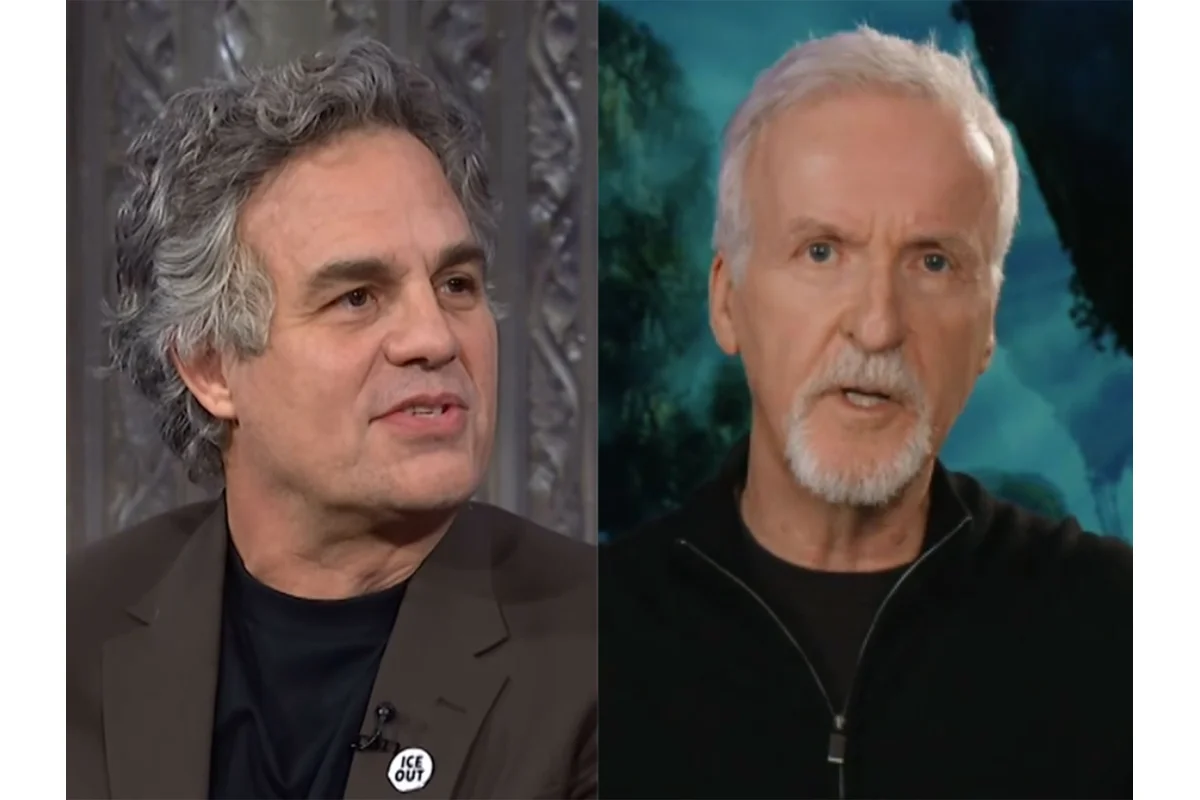
Actor Mark Ruffalo publicly challenged filmmaker James Cameron on February 22 amid the growing Hollywood debate over Netflix’s proposed $83 billion acquisition of Warner Bros. Discovery. Cameron, known for directing the “Avatar” series, had sent a letter to Senator Mike Lee expressing strong concerns about the merger’s impact on the film industry and theatrical exhibition in the United States. Ruffalo’s response questioned whether Cameron’s objections applied equally to other industry mergers.
Cameron Warns of Harm to Theatrical Business and Jobs
In his letter to Senator Mike Lee, chair of the Senate subcommittee on antitrust, James Cameron described the Netflix takeover as
“disastrous for the theatrical motion picture business,”
according to Variety. He highlighted the risk that theaters could shut down, fewer movies would be produced, and job losses would escalate. Cameron emphasized that Netflix’s business model clashes with Warner Bros.’ traditional studio approach, especially in its relationship with theaters, which employ hundreds of thousands across the country.
Ruffalo Challenges Potential Double Standards in Industry Consolidation
Responding on Instagram Threads, Mark Ruffalo called on Cameron and Senator Lee to clarify their positions on other major mergers. Ruffalo asked,
“So… the next question to Mr Cameron should be this,”
and followed with,
“Are you also against the monopolization that a Paramount acquisition would create? Or is it just that of Netflix?”
He urged that scrutiny be applied consistently to all consolidation efforts in Hollywood and added,
“I think the answer would be very interesting for the film community to hear and one that should be asked immediately. Is Mike Lee against the Paramount sale as well? Is he as concerned about that as he is the Netflix sale? We all want to know. Speaking on behalf of hundreds of thousands of film makers worldwide,”
illustrating the widespread attention this issue has drawn.
Details of the Netflix and Warner Bros. Acquisition Process
Netflix’s offer to acquire Warner Bros. studios and HBO Max for $83 billion is currently awaiting shareholder approval, with a vote scheduled for March 20. Warner Bros. Discovery recently allowed a seven-day window for Paramount and Skydance to submit a higher competing bid, heightening the stakes in this major media consolidation. Industry observers note that this deal could reshape both streaming and theatrical distribution models significantly.
Netflix Reassures Industry on Theatrical Release Plans
In response to concerns such as those voiced by Cameron, Netflix co-CEO Ted Sarandos recently provided assurances in an interview with Variety. He confirmed Netflix’s commitment to maintaining Warner Bros.’ existing theatrical release strategy and said this approach will
“remain largely like it is today,”
adding with a touch of humor,
“Your listeners can watch us now, cut a finger and do a blood oath together.”
Sarandos’s comments aim to alleviate fears about the future of cinemas and film production under Netflix’s ownership.
What This Means for Hollywood’s Future
The clash between industry veterans and new media giants reflects deeper tensions about how films are financed, produced, and distributed. James Cameron’s strong warnings underscore fears that mergers favoring streaming platforms could undermine traditional theatrical venues and jobs. Meanwhile, Mark Ruffalo’s call for consistent oversight highlights the need for regulators to evaluate all media consolidation fairly. The upcoming shareholder vote will be a critical moment determining how Hollywood’s landscape evolves amid these conflicting perspectives.
So… the next question to Mr Cameron should be this…
“Are you also against the monopolization that a Paramount acquisition would create? Or is it just that of Netflix?”
I think the answer would be very interesting for the film community to hear and one that should be asked…
— Mark Ruffalo (@MarkRuffalo) February 21, 2026
