
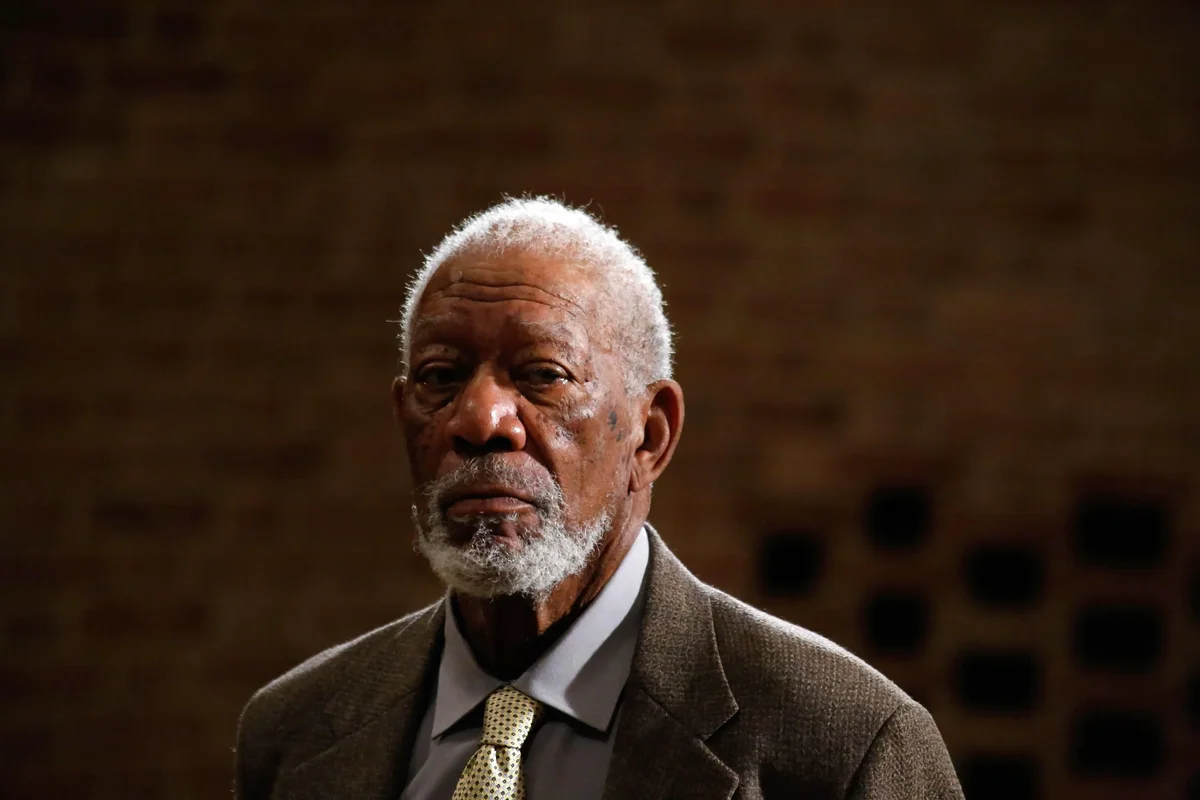
Morgan Freeman, a towering figure in Hollywood with a career spanning over fifty years, played a significant role in shaping the experience of first-time director Ed Solomon during the 2003 film Levity. The drama, set around Billy Bob Thornton’s character Manuel Jordan, who seeks redemption after a long prison sentence, featured Freeman as the enigmatic clergyman Miles Evans. Freeman’s stature and approach on set challenged Solomon, who was navigating his directorial debut amid an impressive cast including Kirsten Dunst and Holly Hunter.
Ed Solomon’s Challenge in Directing Morgan Freeman
Before directing Levity, Ed Solomon was known primarily for his work as a screenwriter on projects like Men in Black and the Bill & Ted series. Though an accomplished writer, the transition to director was daunting, particularly when working alongside an esteemed actor like Freeman. Solomon openly shared his experience of feeling overwhelmed, stating,
“I was really intimidated,”
reflecting the pressure of meeting the expectations that come with leading such a talented ensemble.
Solomon spent considerable time attempting to delve into Freeman’s character, Miles Evans, who is intentionally shrouded in mystery with a past full of undisclosed haunting incidents. However, Freeman resisted detailed discussions about Evans’ backstory, choosing to preserve the character’s secrecy rather than outline every aspect for the director. This approach complicated Solomon’s efforts to shape the narrative but also underscored the actor’s creative process.
The Balance Between Director Vision and Actor Autonomy
For Solomon, the experience was an important lesson in collaboration and trust in the expertise of established actors. He commented on the delicate balance a first-time director must maintain, saying,
“You need to believe in the fact that you’ve cast this person, and then work with them, collaborate with them on that level,”
later emphasizing,
“As a first-time director, it’s hard, because you haven’t had the experience to know where it’s OK to let things change and where it’s necessary to keep them.”
This insight reveals the difficulties new directors face when trying to manage their vision alongside the input of veteran performers.
The Aftermath of Levity and Its Impact on Solomon’s Career
Despite the artistic challenges and learning experiences, Levity did not achieve commercial or critical success. The film grossed under three-quarters of a million dollars and was frequently criticized as being overly heavy-handed and insufficiently developed. While actors like Freeman, Dunst, and Hunter continued their successful careers, Solomon did not direct another feature film. Instead, he refocused on screenwriting, contributing to projects such as Brendan Fraser’s comeback movie No Sudden Move.
Significance of the Experience for New Directors
The interaction between Morgan Freeman and Ed Solomon during the production of Levity highlights the challenges first-time directors often encounter when working with established actors. Freeman’s insistence on maintaining creative ownership over his character pressured Solomon to grow in his role and underscored the trust required between director and cast. While the film’s outcome was disappointing, the episode illustrates the valuable, sometimes intense, dynamic present in filmmaking, especially for newcomers learning to navigate collaboration with seasoned professionals.
