
Renowned film critic Roger Ebert strongly condemned Michael Bay’s 2001 war film Pearl Harbor, labeling it “unremarkable” due to its failure to provide meaningful historical context. The movie depicts the Japanese surprise attack on the United States Pacific Fleet at Pearl Harbor, Oahu, Hawaii, on December 7, 1941, an event that triggered America’s entry into World War II. Despite its star-studded cast and dramatic ambition, Ebert found the film deeply flawed in its portrayal of the conflict and its surrounding circumstances.
Michael Bay’s Pearl Harbor not only attempts to recount a pivotal WWII moment but also centers on a romantic love triangle between two lifelong pilot friends and a nurse, a storyline Ebert criticized alongside the film’s historical oversights. His scathing review underscores the film’s inability to educate or convey the true complexity behind the attack.
Ebert Highlights the Film’s Failure to Explain the Attack’s Broader Motivations
Roger Ebert awarded Pearl Harbor a low 1.5 out of 4 stars, challenging the simplistic narrative presented in the movie. Unlike typical critiques that target actors or directors known for uneven work, Ebert’s focus was on the film’s superficial treatment of historical facts. He lamented that the movie glossed over the strategic and geopolitical realities behind the attack, reducing it to a matter of Japan’s dwindling oil reserves without exploring deeper motivations.
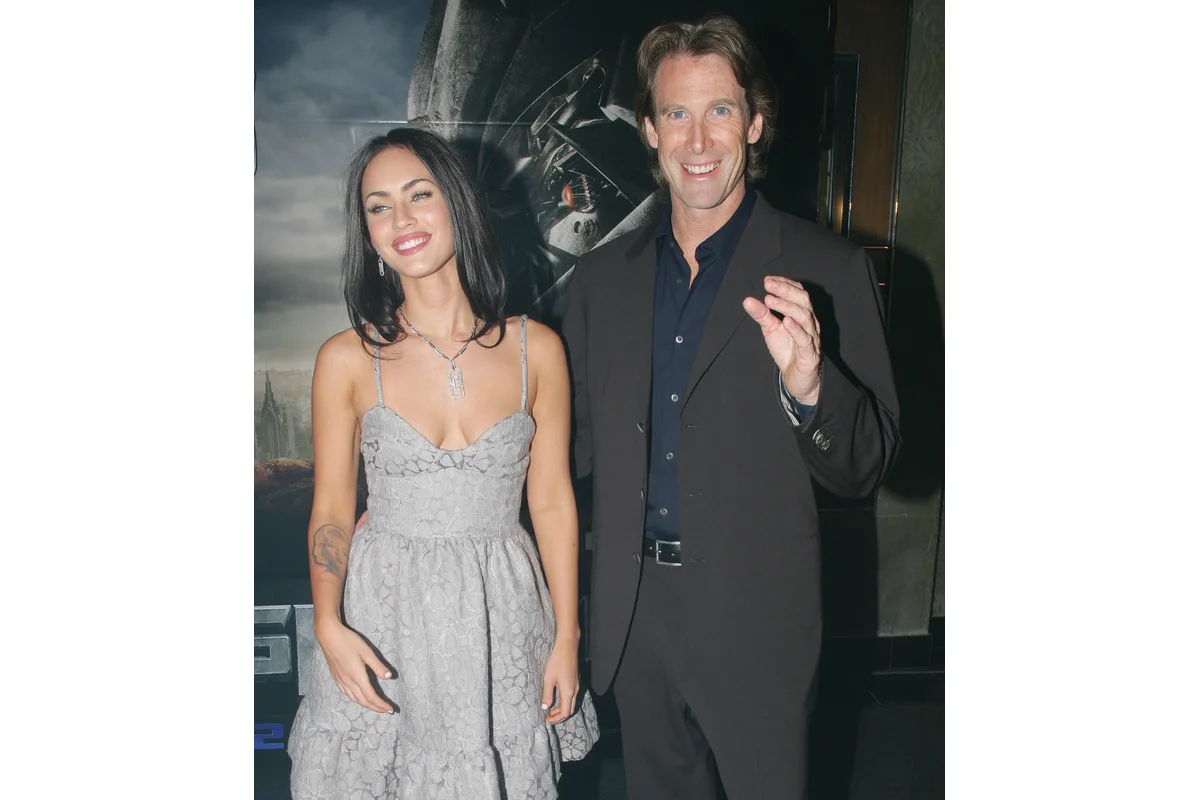
“There is no sense of history, strategy or context; according to this movie, Japan attacked Pearl Harbor because America cut off its oil supply, and they were down to an 18-month reserve. Would going to war restore the fuel sources? Did they perhaps also have imperialist designs? Movie doesn’t say.”
The argument that Pearl Harbor is one of the most inaccurate war films continues to resonate, with over 30 factual errors noted by experts. Producer Jerry Bruckheimer defended the film by stating it was never intended as a history lesson, but Ebert’s critique remains valid. The film’s failure to acknowledge Japan’s imperial ambitions to control the Southern Resource Area — including the Dutch East Indies and British Malaya, rich in rubber, tin, and oil — weakens its portrayal of the conflict. The presence of the U.S. Pacific Fleet at Pearl Harbor was a direct obstacle to these Japanese plans, contrary to the film’s implication that the attack was merely a reaction to an oil embargo.
Length and Pacing Issues Deepen Ebert’s Disappointment
Beyond historical inaccuracies, Ebert also expressed frustration with the film’s excessive length and pacing. Despite enjoying the film’s memorable dialogue, including President Roosevelt’s defiant speeches and Col. James Doolittle’s warnings to recruits, Ebert saw the extended runtime as bloated and unfocused.
“Pearl Harbor is a two-hour movie squeezed into three hours. Its centerpiece is 40 minutes of redundant special effects, surrounded by a love story of stunning banality. The film has been directed without grace, vision, or originality, and although you may walk out quoting lines of dialogue, it will not be because you admire them.”
At 183 minutes, the film’s central sequence — a prolonged 40-minute depiction of the attack’s special effects — overshadows its narrative. The romantic subplot featuring Ben Affleck as Rafe McCawley, Josh Hartnett as Danny Walker, and Kate Beckinsale as Nurse Evelyn Johnson contributes significantly to this length, yet fails to add emotional depth. Bay’s apparent ambition to craft a war-themed Titanic analog hampered the film’s focus on the geopolitical realities, leaving audiences with a disproportionate emphasis on fabricated romance rather than historical clarity.
Balancing Spectacle and Storytelling in Michael Bay’s Direction
Roger Ebert’s claim that Pearl Harbor was directed “without grace, vision, or originality” echoes much of the criticism the film received. While the movie lacks the grace and grand vision typically expected from classic war dramas, it does exhibit originality in its extensive and vivid action sequences. Few filmmakers could have captured the Pearl Harbor attack with such explosive detail, stretching over 40 minutes of screen time.
Opinions on Bay’s approach to grace vary among viewers, with some appreciating the film’s emotional beats despite its shortcomings. Still, Ebert’s assessment—that the movie ultimately fails to rise beyond spectacle—is supported by its uneven blend of history and fiction.
Cast Brings Characters to Life Amid a Controversial Story
Michael Bay’s Pearl Harbor features a notable cast portraying fictionalized characters intertwined with historical events. Ben Affleck plays Rafe McCawley, a pilot and one of the central figures in the film’s love triangle, alongside Kate Beckinsale’s Nurse Evelyn Johnson, and Josh Hartnett as Danny Walker, Rafe’s lifelong friend. The cast also includes Cuba Gooding Jr. as Doris Miller, a real-life hero of the attack who manned anti-aircraft guns during the raid.
The film’s attempt to highlight personal stories against the backdrop of war drew mixed reactions, with critics like Ebert feeling that character development was sacrificed to make way for spectacle and romance.
The Lasting Impact of Ebert’s Review on War Film Criticism
Roger Ebert’s sharp rebuke of Michael Bay’s Pearl Harbor holds significance beyond the film itself. By emphasizing the importance of historical accuracy and a well-rounded narrative, Ebert’s critique resonates with audiences seeking thoughtful representations of major events. His frustration reflects a broader tension in Hollywood’s war films between entertainment and education.
Films about sensitive historical subjects carry a responsibility to balance storytelling with factual integrity. Pearl Harbor’s dramatic failure to provide adequate context and its indulgence in melodrama underscore the challenges filmmakers face when tackling such complex material. Ebert’s insights continue to serve as a guide for viewers and creators alike, advocating for war movies that respect history without sacrificing cinematic power.
