
Clint Eastwood, a towering figure in Hollywood, is widely known for his iconic roles and directorial work, but his personal favorite movies reveal a range of surprising choices. Among these, Tropic Thunder, a satirical comedy from 2008, stands out unexpectedly alongside his admiration for classic films. Eastwood’s appreciation for the movie reflects his complex relationship with Hollywood and his own long career in cinema.
Eastwood’s Cinematic Influences Spanning Generations
Eastwood’s movie tastes have been shaped by some of Hollywood’s greatest talents, including legends like James Cagney, Alfred Hitchcock, and even jazz icon Charlie Parker. The 1950 classic Sunset Boulevard ranks as his all-time favorite, celebrated for blending silent film style with a modern approach. Having debuted on screen in 1955 with Revenge of the Creature, Eastwood absorbed the golden era’s rich storytelling, which influenced his later work, including the pioneering revisionist Westerns made with Sergio Leone.
Despite his deep roots in classic and Western genres, Eastwood’s fondness for Tropic Thunder may seem unusual, but it reflects his appreciation for sharp satire that skewers Hollywood itself. The film’s comedic take on the chaos and absurdity behind moviemaking appears to have resonated with him on multiple levels.
Admiration for Tropic Thunder’s Bold Parody of Hollywood
In a 2018 interview with Entertainment Weekly, Eastwood listed twelve key films and influences that shaped his cinematic life. To the surprise of many, Tropic Thunder occupied the twelfth spot, highlighting it as a standout movie among more traditional favorites. Eastwood described it as “a great send-up of Hollywood” and praised Robert Downey Jr.’s performance, especially recalling a scene where
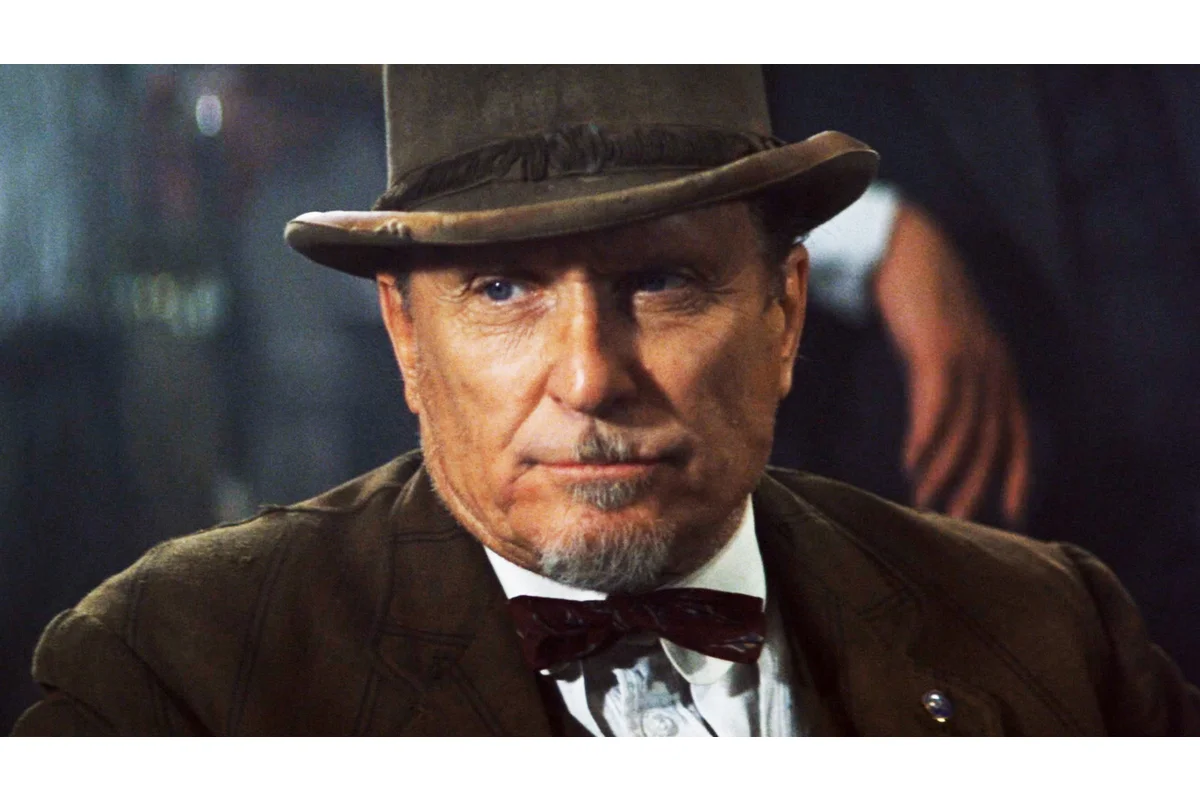
“they blow that guy’s head off … you couldn’t help laughing.”
Eastwood’s humor and enjoyment of the film’s irreverent style align with his background as an action and war movie star. Over his career, he has made nine war-themed films, including 1968’s Where Eagles Dare and 1986’s Heartbreak Ridge. The way Tropic Thunder cleverly parodies the clichés of these genres likely added to its appeal for Eastwood, who has firsthand experience with the demands and exaggerations common in such productions.
Eastwood’s Own Experiences Reflected in Tropic Thunder’s Story
Directed by Ben Stiller, Tropic Thunder follows a group of actors making a Vietnam War movie under increasingly dangerous and ridiculous circumstances. Stiller’s character, former action star Tugg Speedman, desperately tries to revive his flagging career by shooting the film in an actual jungle, inadvertently plunging everyone into a real conflict. This premise, poking fun at Hollywood excess and absurdities, likely struck a chord with Eastwood.
Having built a reputation as both a director and producer, Eastwood understands the complexities of filmmaking and the often chaotic nature of on-set experiences, many of which are lampooned in Tropic Thunder. Moreover, his own films, such as the gritty Dirty Harry series, pushed the boundaries of violence and realism on screen—a trait humorously exaggerated in the comedy’s violent gags. This shared thematic thread may explain why Eastwood found the film so funny and insightful, despite its irreverent tone.
The Enduring Impact of Eastwood’s Eclectic Movie Preferences
Clint Eastwood’s diverse favorite movies—from timeless classics like Sunset Boulevard to modern satire like Tropic Thunder—reveal the complexity of his cinematic outlook. His appreciation of films that challenge conventions and explore different aspects of storytelling mirrors his own innovative career. Recognizing humor, critique, and homage in these selections shows Eastwood’s multifaceted understanding of Hollywood’s evolving landscape.
As Eastwood continues to contribute to cinema, his unexpected favorite of Tropic Thunder stands as a testament to his openness to different genres and approaches, reflecting awareness of the industry’s foibles and creative vitality. Fans and film scholars alike can gain insight into the screen legend’s mind by noting how he honors both tradition and self-aware satire within his cinematic influences.
