
Having portrayed and directed numerous scenes involving gunfire, Clint Eastwood is well-acquainted with onscreen violence. Over his career, he has depicted many faceless villains being taken down, rivaling even the likes of Sylvester Stallone. His familiarity with violent themes is a hallmark of his work, whether embedded within complex stories or simply as thrilling action sequences for audiences.
While violence often serves a narrative purpose in Eastwood’s films, such as in the critically acclaimed Unforgiven, there are occasions when it exists simply for excitement. This distinction sometimes revealed contradictions in his approach to cinematic violence, especially when it did not carry deeper meaning.
Violence and Controversy in the Dirty Harry Series
Don Siegel’s Dirty Harry introduced a violent and uncompromising police officer, Harry Callahan, who bends rules to achieve his objectives. The character’s ruthless demeanor sparked debate, not so much for the actions themselves, but due to perceived political undertones. Paul Newman’s rejection of the role added fuel to claims that the film leaned toward right-wing ideology, with some critics accusing it of endorsing fascist tendencies, vigilantism, and police brutality.
Though violent by 1970s standards, Dirty Harry’s sequels—Magnum Force, The Enforcer, Sudden Impact, and The Dead Pool—softened some of the original’s harsh elements over time. The franchise’s evolution highlighted shifting sensibilities about the portrayal of law enforcement and the use of force in popular cinema.
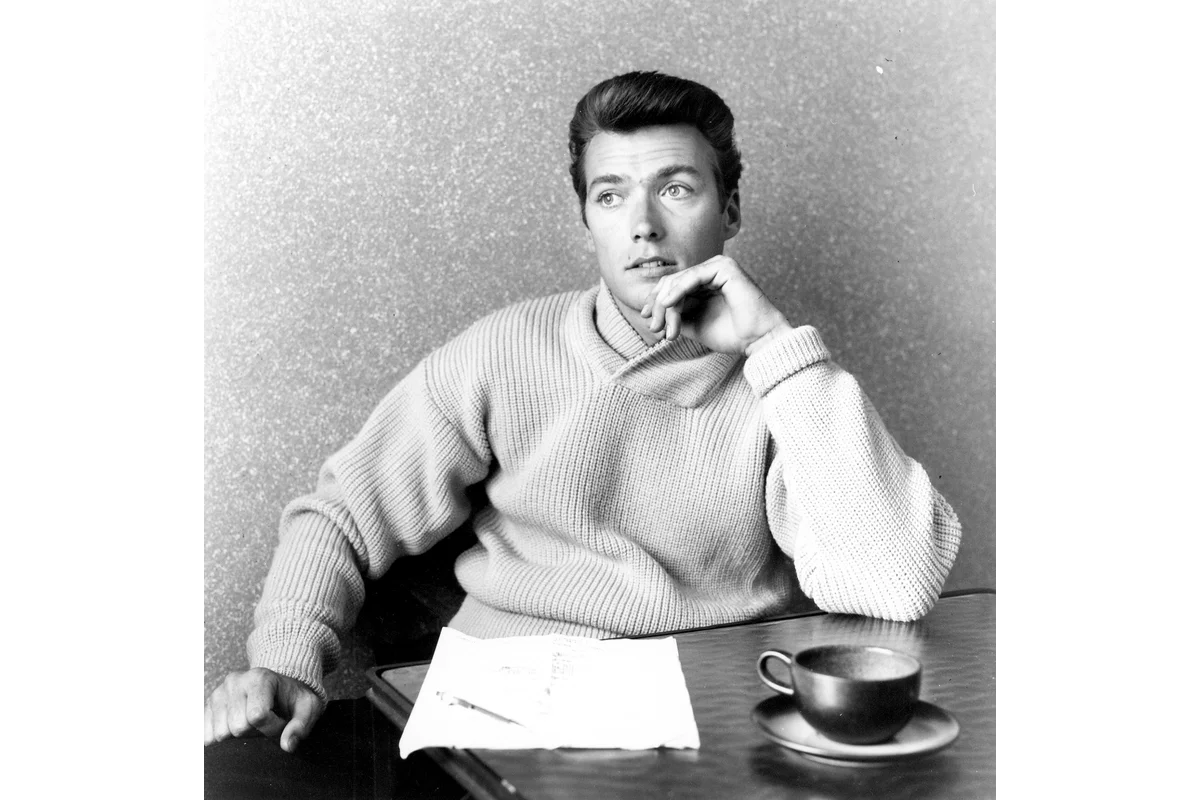
Eastwood defended on-screen violence by asserting,
“We live in a violent society,”
highlighting societal realities. He elaborated,
“Newspapers don’t put it on the back pages. Those who would censor violence would have to censor the Bible and Shakespeare. Nobody would go to the movies and see the routine work of a policeman, an officer going door-to-door, the drudgery. It’s the highlights they want.”
These remarks reflected his belief that films emphasize dramatic moments to engage audiences rather than mundane daily realities.
Eastwood’s Views on Violence Compared to Modern Depictions
Despite his defenses, Eastwood acknowledged limits, stating,
“I think films can go overboard on violence,”
pointing out that his films avoided excessive stylization of violent scenes, such as slow motion or prolonged blood effects. He described Harry Callahan as a figure representing the average working American who fantasizes about standing up to authority, suggesting a connection between the character and everyday struggles.
However, Eastwood’s tolerance for violence did not extend to all cinematic portrayals. He voiced strong criticism for Martin Scorsese’s Taxi Driver, particularly its protagonist Robert De Niro’s Travis Bickle. Eastwood clearly disagreed with the film’s sympathetic portrayal of Bickle, saying,
“I’d question a film like Taxi Driver,”
and added,
“Where the hero is mentally ill.”
His stance implied that while a cop like Harry Callahan has justification for violence in his role, Bickle’s personal mental health issues placed him outside acceptable bounds for a heroic figure.
The Debate Over Taxi Driver’s Violent Protagonist
Taxi Driver’s use of violence is purposeful, representing the fractured psyche of its main character and social commentary, rather than gratuitous action. Nonetheless, Eastwood’s criticism highlighted a disconnect between his views on justified violence and the darker, more complex portrayal in Scorsese’s film. To viewers familiar with Taxi Driver, Bickle is not a straightforward hero but a deeply troubled individual, grappling with alienation and inner demons, a nuance Eastwood appeared to overlook or reject.
The Broader Implications of Eastwood’s Perspective on Cinematic Violence
Clint Eastwood’s remarks reveal tension between traditional heroic depictions of violence and more psychologically driven explorations in cinema. His defense of characters like Harry Callahan underscores his alignment with clear-cut, if brutal, justice figures, while his dismissal of Taxi Driver’s Bickle reflects discomfort with ambiguous or morally complex protagonists.
The debate touches on how violence is framed within cultural narratives and the boundaries audiences and creators establish around heroes and antiheroes. Eastwood’s commentary may influence ongoing discussions about representation of violence in films, especially as contemporary movies increasingly explore mental health and societal issues alongside action.
