
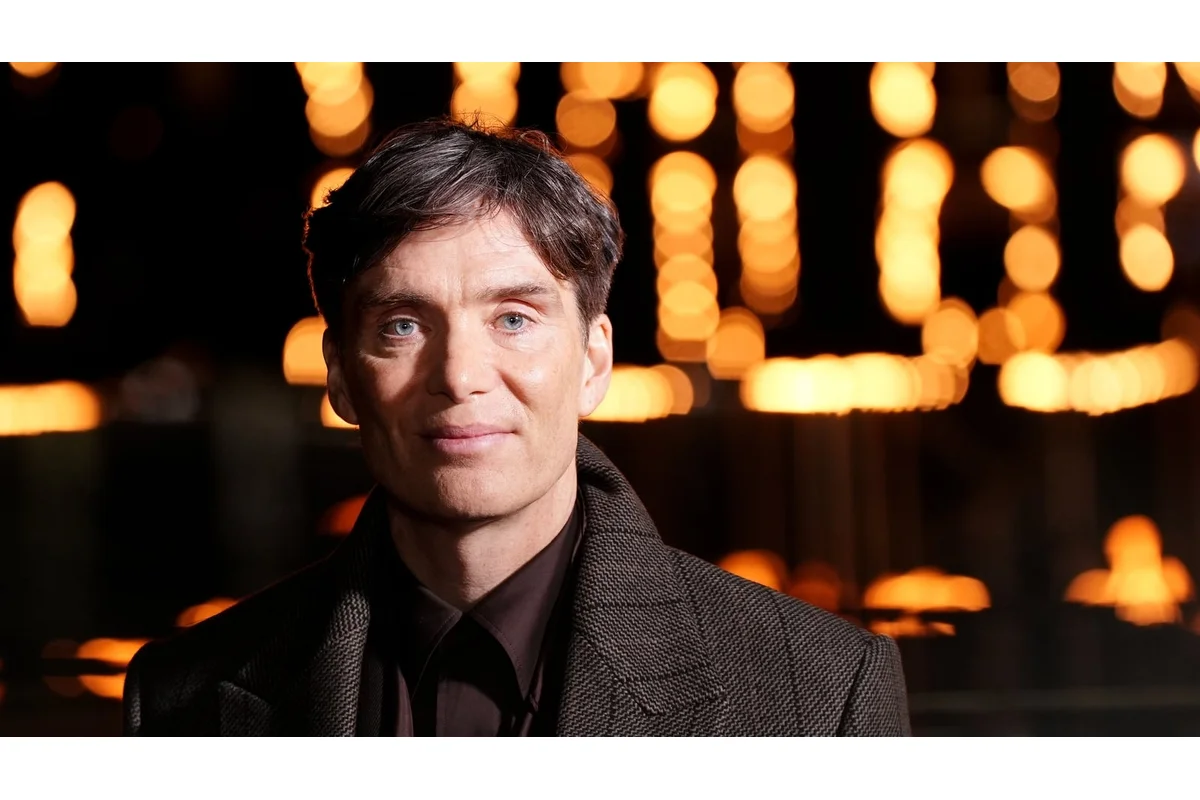
At the world premiere of the highly anticipated feature film The Immortal Man, Cillian Murphy reprises his iconic role as Tommy Shelby. Set in 1940s Birmingham, the film, written by Steven Knight and directed by Tom Harper, explores new and intense chapters of the Peaky Blinders saga. The film will appear in select cinemas this Friday before becoming available on Netflix from March 20.
Filming in Birmingham Brings Authenticity to the Story
Steven Knight, the creator of Peaky Blinders, emphasized the decision to shoot extensively in Birmingham, his home city, underscoring how the locations and local reception greatly enhanced the production. He explained that, unlike previous series predominantly filmed elsewhere in northern England, this film’s local backdrop offered something special. Knight expressed strong satisfaction with the experience, calling it
“a very, very happy experience to shoot it here.”
Murphy also praised Birmingham as the setting, remarking that filming there was “amazing,” reflecting the city’s importance as both a character and backdrop to the narrative.
Plot Details Highlight High Stakes and New Generations
The Immortal Man follows Duke Shelby, played by Barry Keoghan, alongside a younger generation drawn into a Nazi conspiracy, risking the fate of the Shelby family amid the upheaval of World War II. This storyline intensifies the Peaky Blinders’ legacy against the backdrop of Britain and Europe’s resistance to Hitler’s war machine.
Creator Steven Knight’s Vision and Future Projects
While unveiling the film at Birmingham’s Centenary Square, Knight revealed plans for a follow-up series titled The Immortal Man with shooting set to begin very soon. When asked about the next Peaky Blinders series, Knight was intentionally reserved, saying,
“I can’t tell you a lot because I’m not allowed to. But it’s after the war and it’s brilliant.”
This signals continued expansion of the Peaky Blinders universe beyond the film.
Knight also celebrated the emotional impact of the film on audiences, noting many viewers were moved to tears, which he considered a success.
“There’s a lot of people end the thing in tears, which is great because that’s what we wanted. So, yeah, I think it’s a very powerful piece, and I’m really proud of it,”
he said.
Cillian Murphy Reflects on Tommy Shelby’s Growth
Murphy discussed the complexity of his character’s evolution from the post-First World War period to the 1940s era depicted in the film. He acknowledged the depth of Tommy Shelby’s journey, stating,
“Oh my God, I don’t know if I can give you that in a soundbite. You’d need to watch the 36 hours of TV. It’s kind of very, very complex, you know.”
Despite the challenges, Murphy expressed pride in the show and its fanbase:
“I’m immensely proud of the work, I’m immensely proud of the show, I’m immensely proud of the fans.”
Regarding the script and acting opportunities, Murphy remarked,
I think if you write great parts, you get great actors.
— Cillian Murphy, Actor
Supporting Cast Share Their Experiences With the Project
Rebecca Ferguson, portraying Kaulo, described working with Knight and Harper as a safe and enjoyable environment that fostered creativity. She likened the experience to
“sitting in a pub with some mates and playing some cards and having some pints,”
emphasizing how safety on set allows actors to explore freely without fear of embarrassment.
It’s safe, and I think when you have a safe set you are free to explore and you are free to have fun, and to not think about making a fool of yourself,
Ferguson said. — Rebecca Ferguson, Actress
Tim Roth, who plays Beckett, shared that he deliberately avoided watching previous Peaky Blinders episodes to maintain a fresh perspective on his character. When asked if Murphy was consulted about this choice, Roth responded,
No. I was a bit nervous about telling him to be honest, but he laughed, which is typical Cillian.
— Tim Roth, Actor
Director Tom Harper Captures the Spirit of Historic Birmingham Streets
Tom Harper commented on the profound atmosphere of the film’s setting, particularly in areas like Digbeth and Small Heath, places tied closely to the Peaky Blinders’ origins. He described the filmmaking experience as “really wonderful,” sharing that immersing oneself in these historic locations allows a glimpse into the past lives of the characters, which deeply informs the film’s tone.
Sometimes, if you just close your eyes for a minute you can almost slip back in time and feel what it must have been like for those characters, living in that time, and I think that can’t help but seep into the filmmaking. And then, hopefully, when the audience watches the film, they’ll feel that too.
— Tom Harper, Director
Local Media and Fan Enthusiasm Amplify the Film’s Impact
Across Birmingham and beyond, excitement built around the premiere, highlighting not only the film but the city’s role in shaping the Peaky Blinders narrative. Knight, who was recently honored with a West Midlands Metro tram bearing his name, acknowledged Birmingham as one of the film’s standout elements. This recognition both honors local heritage and heightens anticipation for new installments in the Peaky Blinders franchise, ensuring fans remain engaged.
What Lies Ahead for Peaky Blinders and Its Devoted Audience
With the film debuting soon in cinemas and then on Netflix, audiences have the chance to witness a pivotal chapter in the Shelby family’s story. Knight’s confirmation of an imminent sequel series promises ongoing exploration of postwar themes and deeper family drama. For fans of Cillian Murphy Peaky Blinders, this continuation promises more intrigue, emotional resonance, and cinematic craftsmanship rooted firmly in Birmingham’s historic streets. The blend of passionate performances and authentic settings ensures that Peaky Blinders will maintain its strong cultural significance moving forward.
