
Gary Oldman, known for his range in portraying complex antagonists, revealed in a 2024 BBC interview that he once declined an offer to play a villain in a James Bond film. Despite his fitting profile for such roles, Oldman stated that
“The Bond villain didn’t ring with me,”
explaining his decision to step away from the opportunity during the pre-Daniel Craig era of the franchise.
Iconic Bond Villains: A Mix of Theatricality and Excess
The James Bond film series is renowned for its memorable villains, often characterized by exaggerated traits rather than subtlety. While the franchise has occasionally tried to add depth to characters, particularly in the latest Daniel Craig films, the villains have traditionally been larger-than-life figures. Over decades, antagonists such as Michael Lonsdale’s Hugo Drax—a menacing figure commanding an army of stormtroopers—and Mathieu Amalric’s Dominic Greene, who was inspired by Tony Blair’s calm malevolence, have defined the Bond villain archetype.
Many of these portrayals border on caricature, providing more entertainment and memorable spectacle than genuine menace. This style remains a staple of the Bond universe, where the villains are as essential as the iconic theme songs.
Gary Oldman’s Suitability as a Bond Nemesis
Some actors seem naturally suited to the role of Bond villain, with a surprising number named Christopher, including Christoph Waltz, Christopher Walken, and Christopher Lee, all delivering performances that embody the essence of these roles. Gary Oldman, whose career throughout the 1990s included playing intense and often sinister characters in films like Dracula, Léon: The Professional, Air Force One, and The Fifth Element, fits this mold arguably better than many.
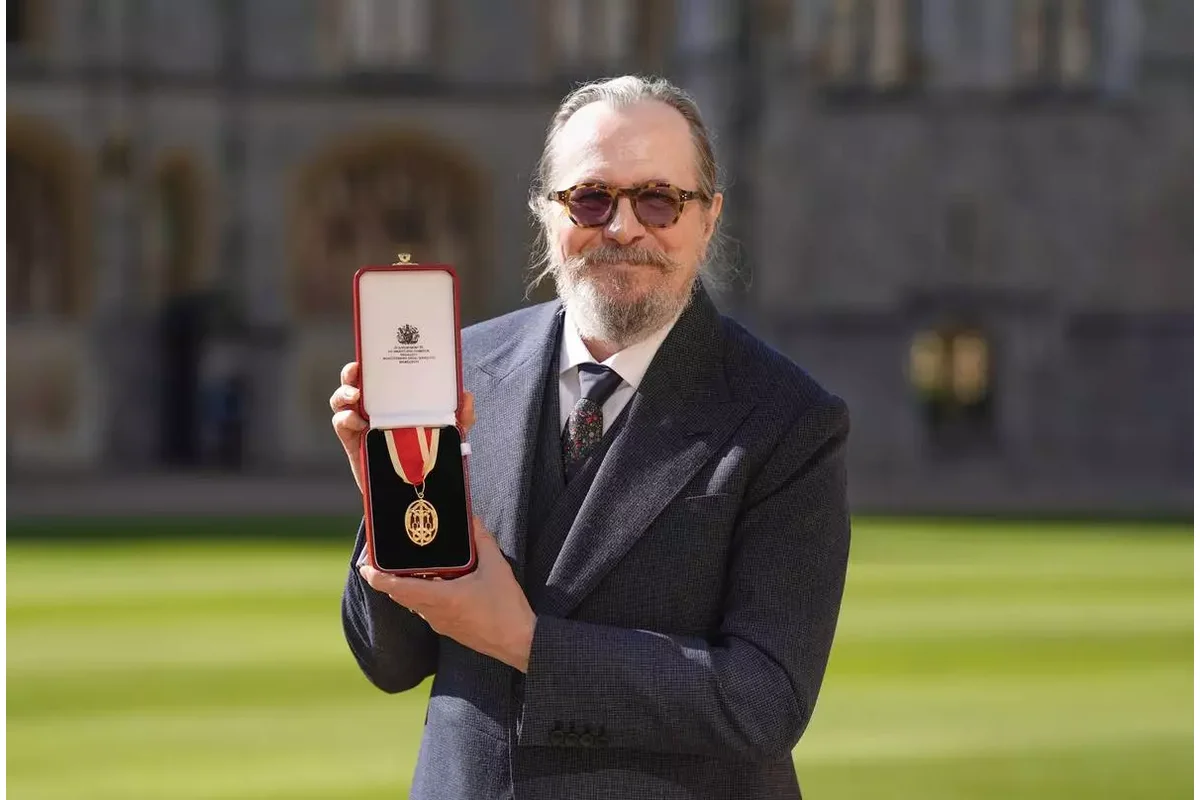
With his versatility, Oldman has portrayed a wide spectrum of villains, ranging from theatrical to chillingly realistic. His signature looks—whether wearing a top hat or sporting an infamously flawed goatee and comb-over—have become synonymous with villainy that could easily translate to a Bond adversary.
Why Gary Oldman Rejected the Bond Villain Opportunity
Despite being approached by producers to take on a Bond villain role, Oldman declined the offer without providing specific explanations beyond saying,
“The Bond villain didn’t ring with me.”
This offer likely came during the Pierce Brosnan era, a time when the franchise featured only a handful of villains spanning just four films.
This period included villains such as Alec Trevelyan in GoldenEye, Eliot Carver in Tomorrow Never Dies, Renard Zokas in The World is Not Enough, and Gustav Graves in Die Another Day. Notably, one villain in this era was a woman, portrayed by Sophie Marceau, which narrows the potential roles made available to Oldman.
The character of Alec Trevelyan stands out as a likely option offered to him. Trevelyan’s convoluted narrative, involving Soviet parents collaborating with Nazis, a complex defection backstory to the UK, and a dramatic murder-suicide, is often criticized for being overwrought and implausible. The role’s heavy backstory may have contributed to Oldman’s reluctance to accept the part, as it did not resonate with him creatively.
Bond Villain Roles: Balancing Character Depth and Franchise Expectations
From the late 1980s through the early 2000s, the Bond villains, while sometimes compelling, often embraced exaggerated traits that fit the franchise’s expectations more than nuanced personal motivations. The Brosnan era, in particular, received mixed reviews for its antagonists, with some acclaimed performances, such as those by Robbie Coltrane and Jonathan Pryce, standing out amid less convincing roles.
Oldman’s decision to decline a villain role underscores the tension actors may feel between taking on well-known franchise characters and seeking roles that align with their artistic sensibilities. His choice suggests a careful consideration of character depth over high-profile franchise visibility.
The Future Role of Gary Oldman in the Bond Franchise
As the Bond series continues to evolve under new creative directions, including upcoming films following Daniel Craig’s departure, many speculate whether Oldman might still join the franchise in a future villainous role. Given his demonstrated skill and the producers’ recognition of his talents, a collaboration could still be possible if a character emerges that truly resonates with him.
For now, Oldman remains an iconic figure in cinema whose absence from the roster of Bond villains is notable. His explanation for turning down the offer provides insight into how the demands of blockbuster franchises intersect with personal artistic choices, shaping the characters audiences ultimately see on screen.
