
Decades of fame and success positioned Harrison Ford as one of cinema’s most expensive stars, but his decision not to join a promising project led to a dramatic reduction in its budget. The film, which has since become a cult favorite during the Christmas season, lost most of its intended funding because no other actor of Ford’s stature was willing to participate.
Ultimately, the movie only narrowly regained the limited budget it received, falling short at the box office despite critical praise. This budget cut reshaped the film’s direction and cast, directly influencing its production scale and reception.
The Impact of Casting Choices on a Cult Classic
The film at the center of this shift is Shane Black’s “Kiss Kiss Bang Bang,” a black comedy crime story that has grown into a perennial holiday favorite for viewers seeking an alternative to typical seasonal fare. The movie’s initial premise included casting Harrison Ford alongside Robert Downey Jr., a partnership that never materialized.
Speculation lingers about what might have occurred if Ford had agreed to star, potentially affecting the trajectory of modern Hollywood. Downey Jr.’s performance in the film remains one of his favorites, and it impressed Jon Favreau enough to identify Downey Jr. as ideal for Iron Man, helping launch the Marvel Cinematic Universe.
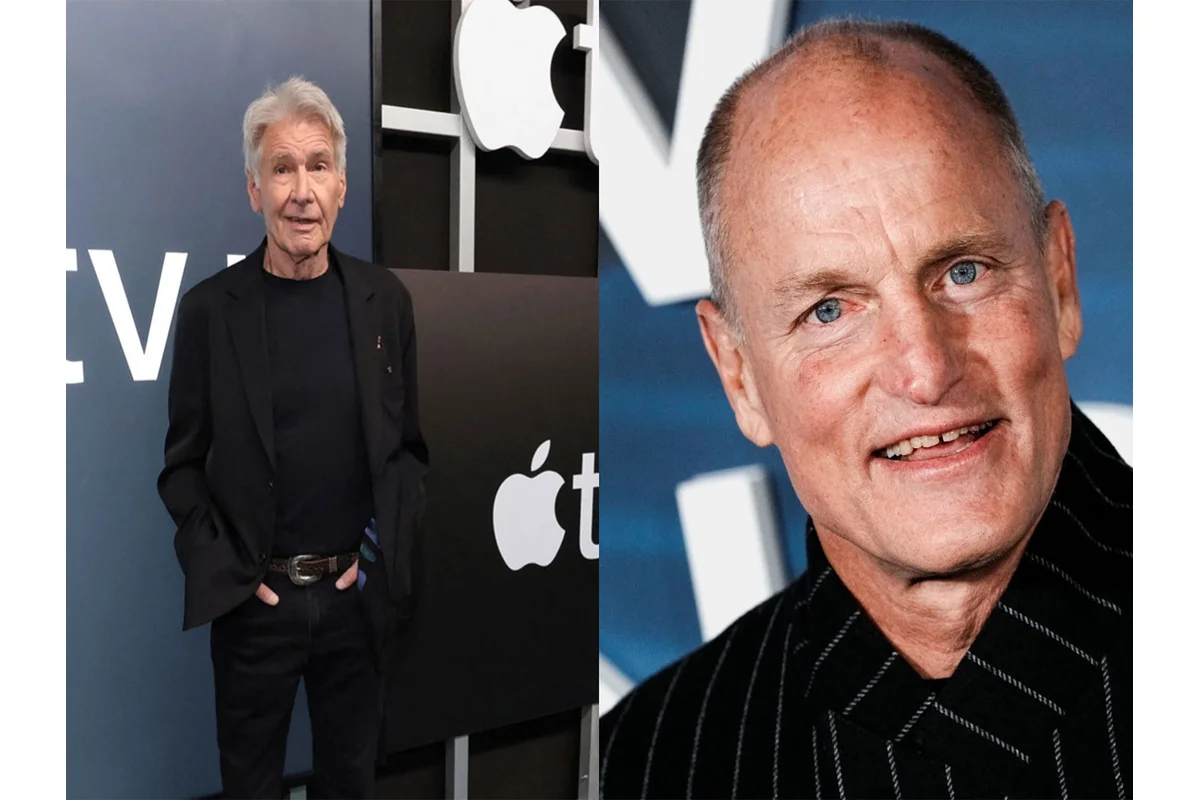
Val Kilmer’s Role and Chemistry with Robert Downey Jr.
Despite Ford’s absence, Val Kilmer’s portrayal of Perry van Shrike brought a distinct flair to the film. His comic precision, flamboyant style, and deadpan delivery elevated Shane Black’s sharp script, and Kilmer’s on-screen chemistry with Downey Jr. was electric.
The idea of Ford playing Kilmer’s role as a gay private detective partnered with a disguised thief presented a unique concept, but financial prudence took precedence, steering the film away from an expensive production featuring Ford.
Producer Joel Silver’s Decision to Downsize
“There was some pressure initially, since they didn’t consider Downey to be a box office draw at the studio,”
Shane Black explained to CHUD.
“Now that we’ve got Downey, yes, we can make the $15 million movie, but let’s get Harrison Ford, somebody to play Gay Perry, that’s stratospheric, and then we can do an $80 million version of this.”
These discussions continued for roughly eight months, which Black himself acknowledged was far too lengthy a period before a decisive shift occurred. Producer Joel Silver ultimately put an end to the prolonged deliberations.
“You know, let’s just make this movie for 15 million bucks,”
Black recalled Silver saying.
“Get two really good actors, we’ve got one, and let’s not worry about making the extravaganza.”
This decision reflected a practical approach, focusing on the strengths of the cast rather than the scale of the production.
How a Leaner Budget Benefited the Final Film
The success of “Kiss Kiss Bang Bang” owes much to the dynamic interaction between Downey Jr. and Kilmer, which carried the movie despite its reduced funding. The film stands out during the holiday season as a darker, more cynical option compared to the typical sentimental Christmas movies.
The Harrison Ford movie budget cut profoundly influenced the film’s final form, shifting it from a big-budget spectacle to a smaller, character-driven story that resonated with audiences and critics alike. Its legacy continues as an alternative holiday classic celebrated for its wit and unconventional approach.
