
James Cameron, renowned filmmaker behind blockbusters such as Avatar and Terminator 2, has publicly opposed the potential acquisition of Warner Bros. Discovery by Netflix, warning that this move could destabilize the film industry. As negotiations continue between Netflix, Paramount, and Warner Bros. Discovery, Cameron expressed his anxieties about the future of cinema amid this high-stakes bidding war.
Ongoing Negotiations Between Streaming Giant and Major Studios
The race to acquire Warner Bros. Discovery has seen bidding from Netflix and Paramount, with offers reportedly valued at $72.8 billion and $108.4 billion respectively. Despite the competition, Warner Bros. Discovery’s board, led by Chairman Samuel DiPiazza Jr. and CEO David Zaslav, appears inclined to accept Netflix’s proposal. Nonetheless, Paramount remains persistent, as highlighted by Paren Knadjian, suggesting that the outcome is not yet sealed. The final decision now awaits a crucial shareholder vote that could be influenced by last-minute developments or assurances from rival bidders.
Filmmaker’s Letter Highlights Threats to Theaters and Jobs
In a significant intervention, James Cameron wrote directly to Senator Mike Lee, chairman of the Senate Antitrust Subcommittee, to raise alarms over potential negative consequences of the acquisition. Cameron emphasized the difference in economic models between cinema and television, warning that merging a major studio with a streaming platform could have far-reaching effects. He cautioned about potential closures of movie theaters and widespread job losses in the production industry.
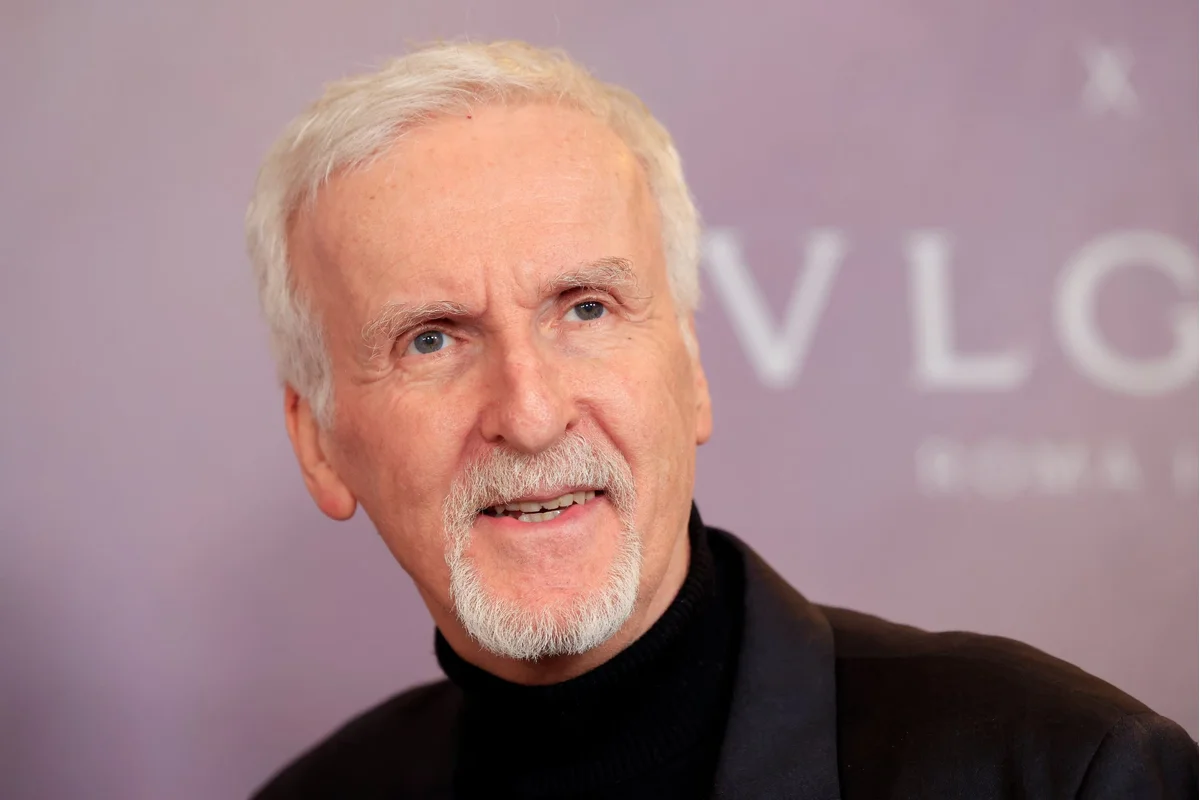
“I firmly believe that the proposed sale of Warner Brothers Discovery to Netflix would be disastrous for the film and theater industry, to which I have dedicated my life’s work. My films also live on in subsequent video markets, of course, but my first love remains cinema.” – James Cameron, filmmaker
Cameron elaborated that a decrease in large-scale film projects could trigger a chain reaction, threatening the entire ecosystem surrounding cinematic production. The impact, he warned, could extend beyond Hollywood, altering the United States’ position as a leader in global film distribution.
“If the number of big-budget films like the ones I make were to decline, theaters would close. Fewer films would be made. Job losses would multiply.” – James Cameron, filmmaker
“The US may no longer lead the world in car or steel production, but it is still the global benchmark for films. And that could change, for the worse.” – James Cameron, filmmaker
Personal Reflections and Relocation to New Zealand
Earlier this year, James Cameron announced his permanent move to New Zealand, citing the country’s effective management of the Covid-19 pandemic and its overall quality of life as major factors. He shared insights on a television broadcast about his decision to settle there with his wife, Suzy Amis, and their family.
“I made a promise to myself: one day I’ll come and live here. When Suzy and I started getting serious, she said, ‘Okay, no problem.’ She was ready. Then, later on, we had kids, a family, roots in Malibu and Santa Barbara. That conversation had to be revisited a bit, but we said that after Avatar, we would make it happen.” – James Cameron, filmmaker
Cameron contrasted New Zealand’s cooperative and science-driven culture with the turmoil and polarization found in parts of the United States. He highlighted the stability and shared purpose he found abroad as key reasons for his relocation.
“Where would you rather live? Somewhere that truly believes in science and is sane, and where people can work together cohesively toward a common goal, or somewhere where everyone is constantly at odds with each other, extremely polarized, turning their back on science, and that would essentially end in total chaos if another pandemic were to strike? I’m not there for the scenery, I’m there for the sanity.” – James Cameron, filmmaker
Implications for the Film Industry’s Future
The tension surrounding the Warner Bros. Discovery acquisition reflects broader concerns about how streaming platforms may reshape traditional movie production and distribution. Cameron’s outspoken stance brings attention to the risks this deal poses to theaters, employment, and the cultural prominence of American cinema worldwide. The pending shareholder vote remains a pivotal moment that will determine how the film industry evolves, with many stakeholders awaiting the outcome amid uncertainty.
