
Sylvester Stallone’s “Cop Land” role marked a critical moment in his career, showcasing his talent in a way that few expected, yet the film’s aftermath nearly derailed his future in Hollywood. Released in 1997, this crime thriller highlighted Stallone in a complex lead part, diverging from his typical action-hero persona, but despite the film’s solid performance, it failed to provide the career boost many anticipated.
Stallone Shines in a Challenging Role Amid a Star-Studded Ensemble
“Cop Land,” written and directed by James Mangold years before his notable works like “Walk the Line” and “Logan,” brought together a remarkable cast including Robert De Niro, Harvey Keitel, Ray Liotta, and others. Despite this lineup, it was Stallone who stood out by portraying Freddy Heflin, a small-town sheriff with a hearing impairment. The story unfolds in a New Jersey town primarily inhabited by New York City police officers, revealing corruption tied to organized crime.
Freddy Heflin’s character is initially passive and hesitant, turning a blind eye to the illegal activities around him. As the tension escalates, Freddy is forced to break free from his timid nature and confront the wrongdoing, making the narrative feel like a neo-noir urban Western. Stallone gained nearly 40 pounds to convincingly embody the physically unremarkable and emotionally conflicted sheriff, departing significantly from his usual tough-guy image.
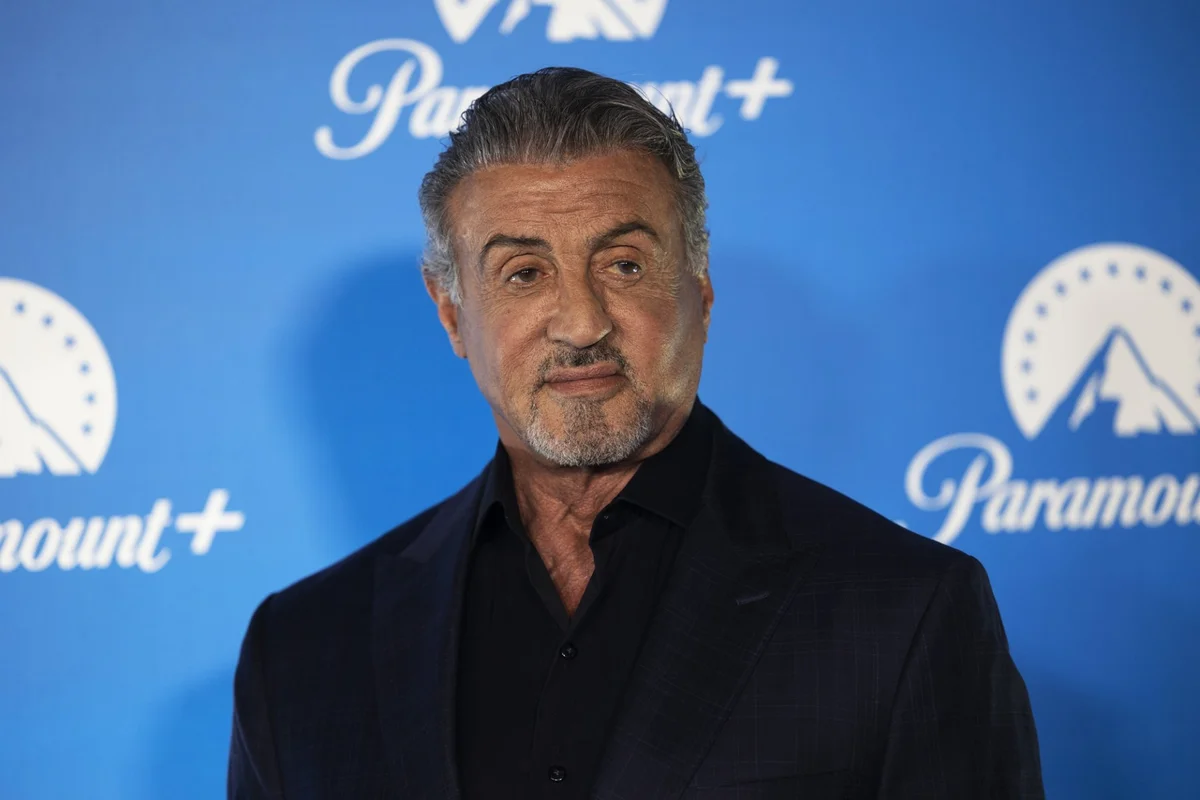
The performance was deeply nuanced, delivering emotional depth and vulnerability that had rarely been seen from Stallone. Many viewers remember his portrayal as the defining aspect of “Cop Land,” one that should have earned him prestigious recognition but instead was overlooked at major award ceremonies.
Despite Critical Acclaim, “Cop Land” Was Seen as a Career Setback
On release, “Cop Land” earned $63 million worldwide, well above its $15 million production budget, marking it a financial success. However, Stallone’s career context at the time was fraught with failed projects such as “Judge Dredd,” “Daylight,” and “Assassins,” which had weakened his box-office draw. The studio Miramax had hoped “Cop Land” would revive Stallone’s standing as a leading actor, mirroring the resurgence John Travolta experienced after “Pulp Fiction.”
Unfortunately, the film’s middling commercial performance combined with the lack of award recognition fed the perception within Hollywood that Stallone’s star power was fading. Studios increasingly regarded him as unable to carry major projects, and his career stalled with multiple films bypassing theatrical release and going directly to DVD.
It wasn’t until nearly a decade later that Stallone began to recover his status, returning to familiar characters in “Rocky Balboa” and a reboot of the “Rambo” franchise, which reignited his reputation with audiences and critics alike.
The Lasting Impact and Rediscovery of Stallone’s Work in “Cop Land”
“Cop Land” remains an outlier in Stallone’s body of work: a haunting, deeply human performance in a serious crime drama that diverges sharply from his typical action roles. The film continues to find new viewers, partly due to James Mangold’s rising prominence as a director. For those exploring Stallone’s career outside the well-known franchises, “Cop Land” serves as a compelling chapter revealing the actor’s capacity for subtle, restrained drama.
Audiences and critics now often cite Stallone’s role as Sheriff Freddy Heflin as one of his greatest artistic achievements, demonstrating a side of the actor that had long been underappreciated. The movie stands as a testament to Stallone’s range, even if its release moment nearly marked the end of his time in the spotlight.
