
Christian Bale embraces a new vision of the Frankenstein monster in the upcoming film The Bride, which premieres on March 6 in Chicago. The intense retelling explores the story of Frankenstein’s creature as a complex man named Frank, deviating from the traditional monstrous portrayals to reveal a deeply human character shaped by suffering and experimentation.
A Fresh Take on a Classic Monster
In The Bride, Bale faces the challenge of following iconic actors like Boris Karloff, Christopher Lee, Jacob Elordi, Elsa Lanchester, Jennifer Beals, and Helena Bonham Carter, all of whom have shaped the legacy of Frankenstein’s monster. The film brings a distinctive perspective to the character, casting him not as a mere creature but as a man scarred by harsh experiences, struggling with his identity.
Christian Bale explained in a recent interview that interpreting the “Creature” was challenging due to the numerous portrayals before him. Instead of building on previous versions, he carefully selected elements he felt were inaccurate or less compelling from those earlier depictions to shape his own interpretation.
Revisiting Mary Shelley’s Original Vision
Bale highlighted the contrast between the popular image of the monster and Mary Shelley’s original description in her 1818 novel. He stated,
“Obviously Boris Karloff’s monster is the iconic image but Mary Shelley set the tone with a very different description,”
Christian Bale explained.
He pointed out that the creature is often mischaracterized as a towering eight-foot giant or as having distinct physical features like a flat head, which were exaggerations from early films. According to Bale, Shelley’s novel was inspired by the scientific experiments of Luigi Galvani, whose electric probes on frogs provided a foundation for the story about reanimation, but the monster should be recognized as a man subjected to emotional and physical abuse.
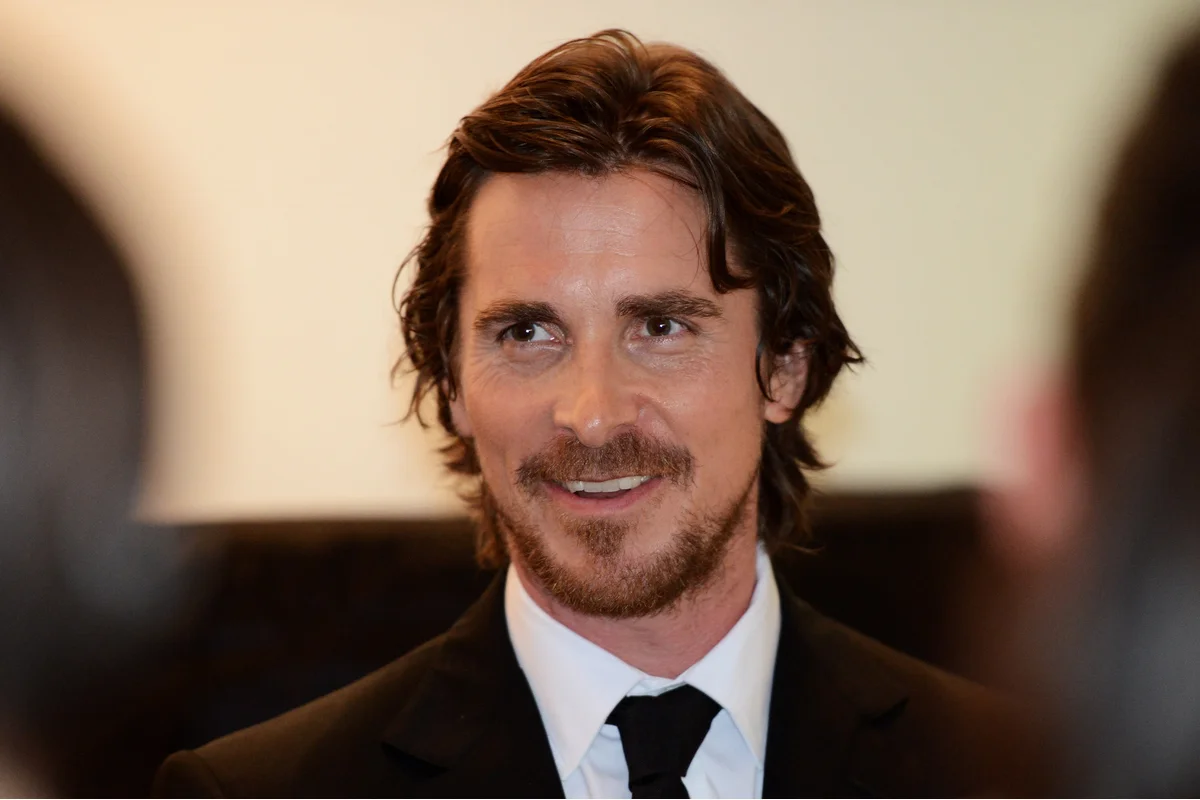
Bale further clarified:
“Then Karloff and James Whale, they hear a bit more, and they go, ‘Oh, he’s apparently got a flat head.’ That’s wrong. It’s just that his hairstyle at that time was a bit flat,”
adding,
“But they do get it right that he had a scar across his forehead. He’s eight-foot tall? Wrong! No, he was a man. No man is eight-foot tall, but when you’re terrified, people seem bigger. So I sort of cherry-picked and found my way through to the real Frank.”
The Plot and Characters of The Bride
Written and directed by Maggie Gyllenhaal, The Bride expands upon Mary Shelley’s story by imagining what might follow after her groundbreaking novel. The film features Jessie Buckley as Mary Shelley, who asserts she has more to reveal despite having died over 80 years ago from a brain tumor. The narrative then shifts focus to Frank, the monster who now goes by his given name, as he seeks out Dr. Euphronious, portrayed by Annette Bening, a mad scientist figure tasked with creating a companion for him.
When a local escort linked to a dangerous mobster is murdered, Frank and Dr. Euphronious bring her back to life, triggering a chaotic and fateful sequence of events. Christian Bale described his character’s experiences as a
“crazy, exciting, destined-to-be-shortlived rollercoaster ride of her life.”
Supporting actors Peter Sarsgaard and Penelope Cruz also contribute to the intense atmosphere of the film.
The Impact and Expectations of The Bride
The Bride intends to revitalize Frankenstein’s mythos by grounding the monster as a vulnerable and multi-dimensional figure rather than a simple horror icon. By doing so, the film challenges previous cinematic stereotypes and attempts to deliver a more emotionally resonant story, closely tied to Shelley’s original ideas but enriched with new suspense and drama.
Christian Bale’s portrayal promises to be a powerful and nuanced departure from prior versions, blending elements of fear, pain, and humanity. Maggie Gyllenhaal’s direction adds a fresh voice to this classic story, aiming for an exploration that resonates with both longtime fans and newcomers. As the release date approaches, audiences and critics alike are eager to see how this reinvention of Frankenstein’s monster will influence the legacy of one of literature’s most enduring characters.
