
Martin Scorsese, known for his deep reverence for cinema, has revealed that he dislikes the most groundbreaking film in movie history, The Jazz Singer. Despite the film’s critical role in launching the era of sound in movies, Scorsese openly expressed frustration with it, highlighting his complex relationship with cinema’s early milestones. His perspective on The Jazz Singer is especially notable given his extensive career that has revolutionized modern filmmaking.
The Historic Importance of The Jazz Singer
In October 1927, director Alan Crosland’s The Jazz Singer debuted, marking a monumental shift in cinema by being the first feature-length film to incorporate synchronized dialogue, music, and singing. Al Jolson’s performance ushered in the era of “talkies,” effectively changing filmmaking and audience expectations worldwide. This film set the foundation for the sound films that would dominate the industry for decades and influenced directors like Scorsese.
Scorsese’s Honest Critique and Personal Connection
Despite the film’s historical value, Scorsese has no admiration for its artistic merit. In a conversation with film critic Richard Schickel, Scorsese candidly stated, “I dislike The Jazz Singer.” Schickel’s agreement, calling it “an awful movie,” was met with Scorsese’s blunt response: “It’s terrible.” Yet, he acknowledged the film’s cultural significance within his own family.
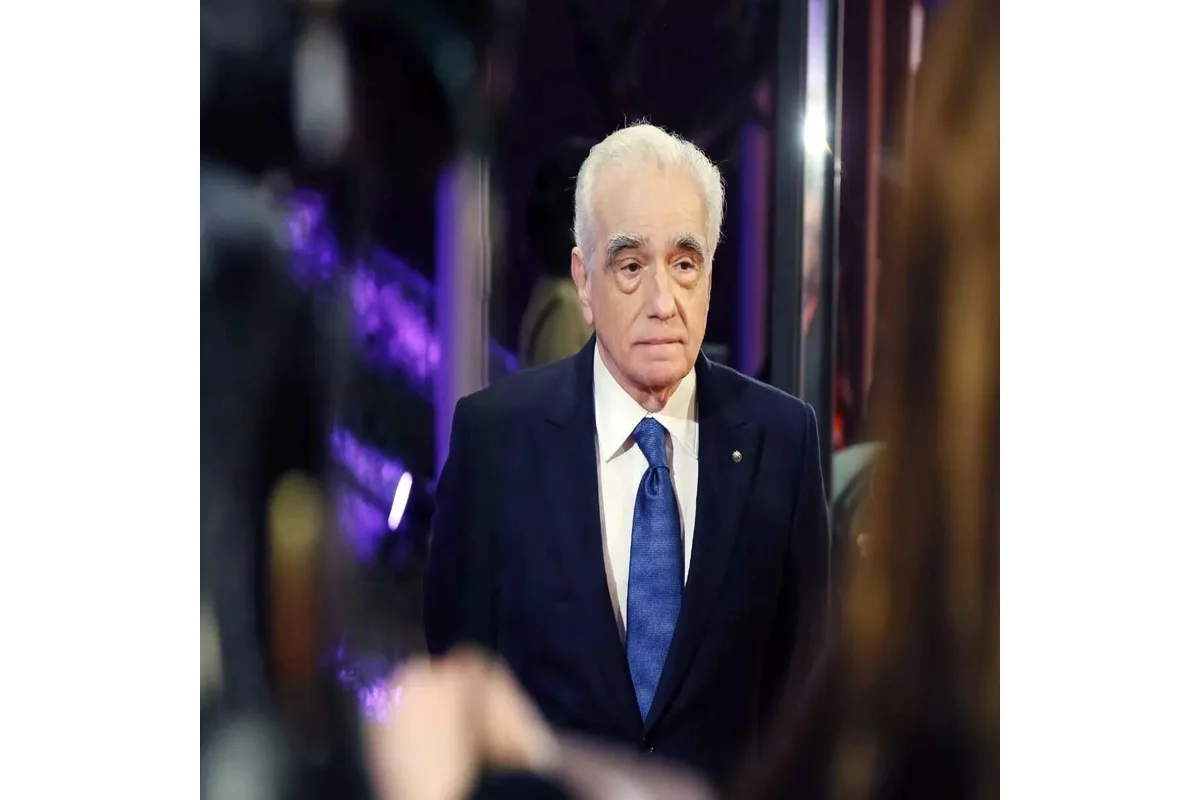
“But my mother and father loved it. They loved it because they identified with the family, the breaking of tradition. My father was feeling that we were losing the tradition of the family, the Sicilian family. And here were the Jewish people, who lived nearby, sticking to their family.” – Martin Scorsese
Scorsese’s father, Charles, related to the film’s themes of family loyalty and generational conflict, embodied by Warner Oland’s Cantor Rabinowitz, who struggles with his son Jakie’s pursuit of a music career against traditional expectations. Growing up in a household that valued these cultural tensions, young Marty was the sole family member who did not share their appreciation for the film.
Balancing Respect for Film History and Artistic Judgment
Though Scorsese recognizes The Jazz Singer as a revolutionary moment in cinema that laid important groundwork even today, he maintains the right to critique its cinematic quality harshly. His Film Foundation work underscores his dedication to preserving film history, yet he distinguishes between historical importance and personal taste. For Scorsese, the film’s place in the evolution of movies is unquestioned, but that does not compel admiration for the film’s artistic execution.
Implications of Scorsese’s Views on Cinema’s Evolution
Martin Scorsese’s frank dismissal of The Jazz Singer highlights the tension between innovation and quality in cinema’s history. While the film opened the door to sound films that have shaped storytelling for nearly a century, his critique invites reflection on how progress and artistry sometimes diverge. For the film industry and cinephiles alike, Scorsese’s perspective underscores the importance of preserving historical achievements with critical openness, ensuring that evolution in cinema is both respected and thoughtfully evaluated.
