
Sean Connery’s portrayal of James Bond remains one of the most celebrated embodiments of the secret agent, profoundly influencing how audiences worldwide envision the character. Despite the absence of new movies or series at present, the demand for James Bond remains immense, fueled in part by Connery’s definitive interpretation. Known for combining charm, wit, and sophistication, Connery helped solidify Bond’s image during a period marking Britain’s cultural influence in the mid-20th century.
Though James Bond as a character has evolved from a suave, quick-witted figure into a more troubled hero in recent adaptations, Sean Connery’s performance continues to define the archetype for many fans. His portrayal spanned five films, blending stylish presence with thrilling action sequences, often using practical stunts rather than digital effects common in later adaptations.
The Risks Behind Classic Bond Stunts
The action scenes in Connery’s Bond films were notably more dangerous because he frequently performed his own stunts. Filming the very first Bond movie, Dr. No, in Jamaica on a limited budget of $1 million, Connery faced hazardous moments on set that highlighted the real perils behind the spy thriller’s excitement.
Producer Terence Young recounted a particularly alarming stunt involving Connery driving a car under a crane.
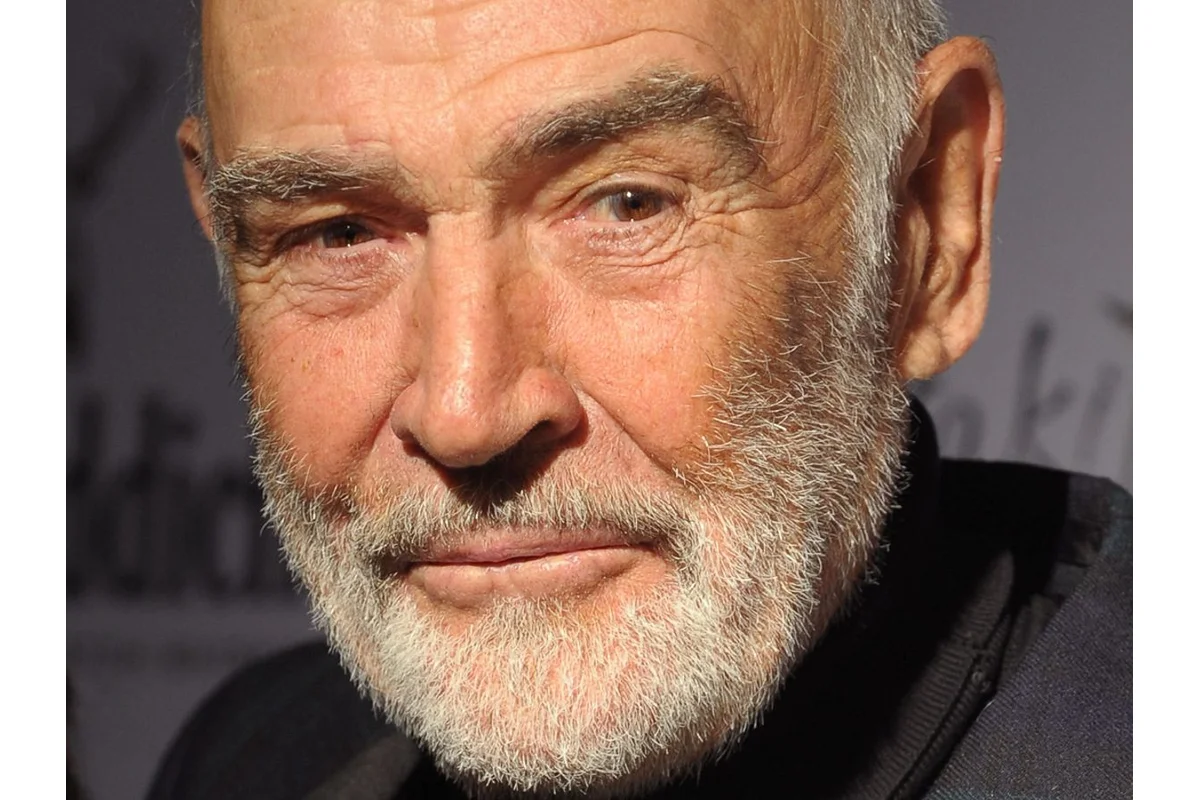
“He’s very lucky to be alive. We damn near killed him. When we rehearsed it, he drove about five or ten miles an hour, just to see if he could go under it, and he cleared it by about four inches,”
Young said, reflecting on how close Connery came to disaster during the routine test run.
However, during the actual shoot, Connery increased his speed dramatically.
“But as we were shooting it,”
Young told Rolling Stone,
“he was coming at 40, 50 miles an hour —and he suddenly realised the car was bouncing two feet up in the air, and there he was with his head sticking out. It so happened that the last bounce came just before he reached the thing and he went down and under — or he would’ve been killed.”
This near-fatal event underscored both the real dangers of action filmmaking at the time and Connery’s willingness to undertake such risks for authenticity.
The Bond Persona Behind the Scenes
Despite the intensity of these moments, Connery himself treated the experience with good humor. Reflecting on the stunt, he suggested that the idea to drive under the crane came from the legendary producer Albert “Cubby” Broccoli.
“If I remember correctly, going under the crane was [famed bon producer] Cubby Broccoli’s idea. Maybe,”
Connery said with a knowing tone, hinting at their complex working relationship.
“He’d paid very heavy insurance beforehand,”
Connery added with a quip.
The resilience Connery showed during these strenuous scenes paralleled the enduring charm of his Bond, who remained almost untouchable despite the roughness of the era’s cinematic realities. Even as cultural shifts have complicated Connery’s legacy, given the changing views on some aspects of his Bond character, his influence and status as a defining James Bond actor remain intact.
Lasting Impact of Connery’s Bond and What Lies Ahead
Sean Connery continued to portray James Bond in four more films after Dr. No, cementing a tenure that shaped the franchise’s identity for decades to come. While later actors like Daniel Craig have challenged and expanded the character’s dimensions, Connery’s version is still widely regarded as the original standard.
His experience, particularly the harrowing moments during stunt work, highlights the physical demands and personal risks involved in creating such iconic cinema. As the James Bond franchise evolves, the enduring appeal of Sean Connery’s performances offers a reminder of both the glamour and the genuine peril behind the spy legend.
With the legacy of his work continuing to captivate audiences, Connery’s portrayal remains a cultural touchstone, representing a unique blend of classic style and action heroism that has influenced generations of fans and filmmakers alike.
