
On March 7, 2026, actor and filmmaker Ben Stiller spoke out against the White House after it used footage from his movie Tropic Thunder in a controversial video. The clip was posted on the official White House social media account, merging scenes from popular films with real visuals of military strikes. Stiller condemned the video’s unauthorized use of his work and called on the administration to remove the content immediately.
The inclusion of Tropic Thunder in the montage sparked widespread debate, especially because the footage was interspersed with actual drone strike videos connected to the ongoing conflict involving Iran. This use of cinematic scenes alongside real war imagery raised concerns among viewers and critics who felt it blurred the lines between fiction and reality in a sensitive geopolitical context.
Details of the Controversial Montage Including Multiple Film References
The White House video combined clips from several well-known titles, such as Gladiator, Braveheart, Iron Man, Top Gun, Deadpool, and the television series Breaking Bad. These fictional scenes were paired with real footage of aerial attacks, creating an intense visual narrative. The montage concluded with a voiceover proclaiming a “flawless victory,” which drew criticism for seeming to glamorize or dramatize genuine military operations.
Social media users expressed discomfort and voiced their disapproval, arguing that the video’s presentation was inappropriate amid escalating tensions in West Asia. The combination of entertainment content and real-life conflict footage was seen by many as trivializing serious military events.
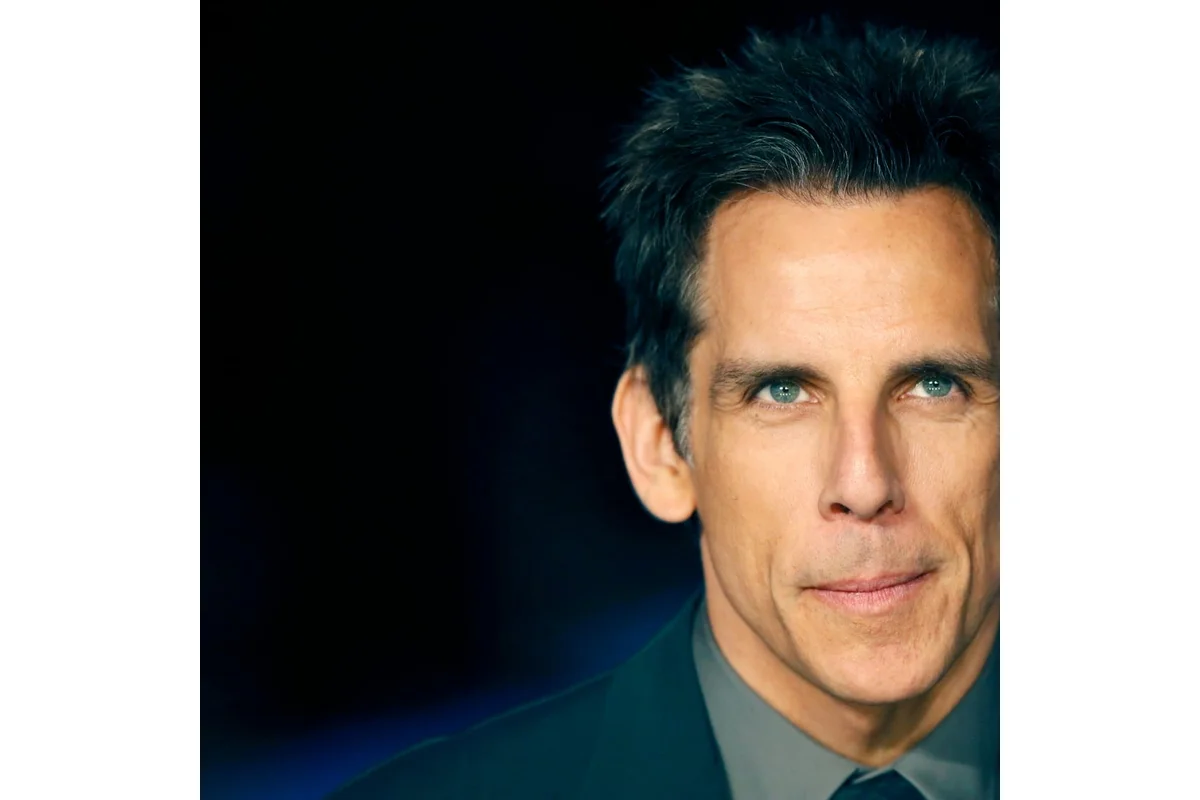
Ben Stiller’s Public Statement and Artistic Opposition to Political Messaging
Ben Stiller took to the social media platform X to clarify his position, stating that he did not authorize the use of Tropic Thunder for any political campaign or messaging. His disapproval aligns with a broader trend of artists resisting the use of their creative works in government or political communications without permission.
“I did not consent to the use of this clip in any political campaign or messaging, and I urge the administration to remove it as soon as possible.” – Ben Stiller, Actor and Filmmaker
Other artists, such as singers Sabrina Carpenter, Olivia Rodrigo, and Kenny Loggins, have previously objected to their music appearing in official government videos, reflecting a shared concern over artistic control and respect for creative ownership. This latest controversy highlights the tension between political entities and entertainers regarding content usage rights.
Context of Rising International Tensions and Media Usage
The video’s release coincides with a period of heightened military and diplomatic strain involving the United States, Israel, and Iran. The region has witnessed several military operations recently, intensifying global scrutiny and political sensitivity. The decision by the White House to feature a mix of real conflict footage alongside iconic Hollywood images, including Tropic Thunder, has added to the debate over responsible media use.
These developments underline ongoing challenges in how governments and public institutions leverage cultural products to shape narratives about military actions and foreign policy, often sparking strong reactions from both creators and audiences.
Implications for Future Use of Entertainment in Political Media
Ben Stiller’s objection draws attention to the legal and ethical boundaries surrounding the use of entertainment content by governmental agencies. As this incident demonstrates, unauthorized use of film or music carries risks of public backlash and demands for accountability.
Going forward, political organizations may face increased scrutiny and pressure to obtain explicit permissions when incorporating popular culture into official messaging. This situation also highlights the importance of respecting artists’ rights and the potential reputational consequences for governments that disregard those rights.
Furthermore, the incident fuels ongoing discussions about how media representation influences public perception of military actions, stressing the need for careful and thoughtful communication in politically sensitive contexts.
