
Actor and filmmaker Ben Stiller has publicly condemned the White House for using a clip from his film Tropic Thunder without permission in a video that mixes Hollywood scenes with real footage of military strikes. The video, shared on the official White House social media account in early March 2026, sparked widespread criticism amid ongoing conflict in West Asia.
Controversial Montage of War and Film Footage Triggers Outrage
The White House video featured a fast-paced montage combining famous movie and TV clips with images of real aerial attacks related to the Iran conflict. Films such as Gladiator, Braveheart, Iron Man, Top Gun, Deadpool, and the TV show Breaking Bad were interwoven with footage of drone strikes, creating a dramatic sequence. The montage concluded with a voiceover proclaiming “flawless victory,” a statement that many viewers found unsettling due to its apparent trivialization of real combat.
Among these was a brief scene from Ben Stiller’s 2008 satirical war comedy Tropic Thunder. The inclusion of this clip, without authorization, quickly drew Stiller’s ire and prompted calls for its removal.
Ben Stiller Calls Out White House Publicly
Responding on social media platform X, formerly known as Twitter, Ben Stiller demanded the immediate withdrawal of the Tropic Thunder segment from the government video. He emphasized that the White House had not received permission to use his work and expressed strong disapproval of the footage’s context.
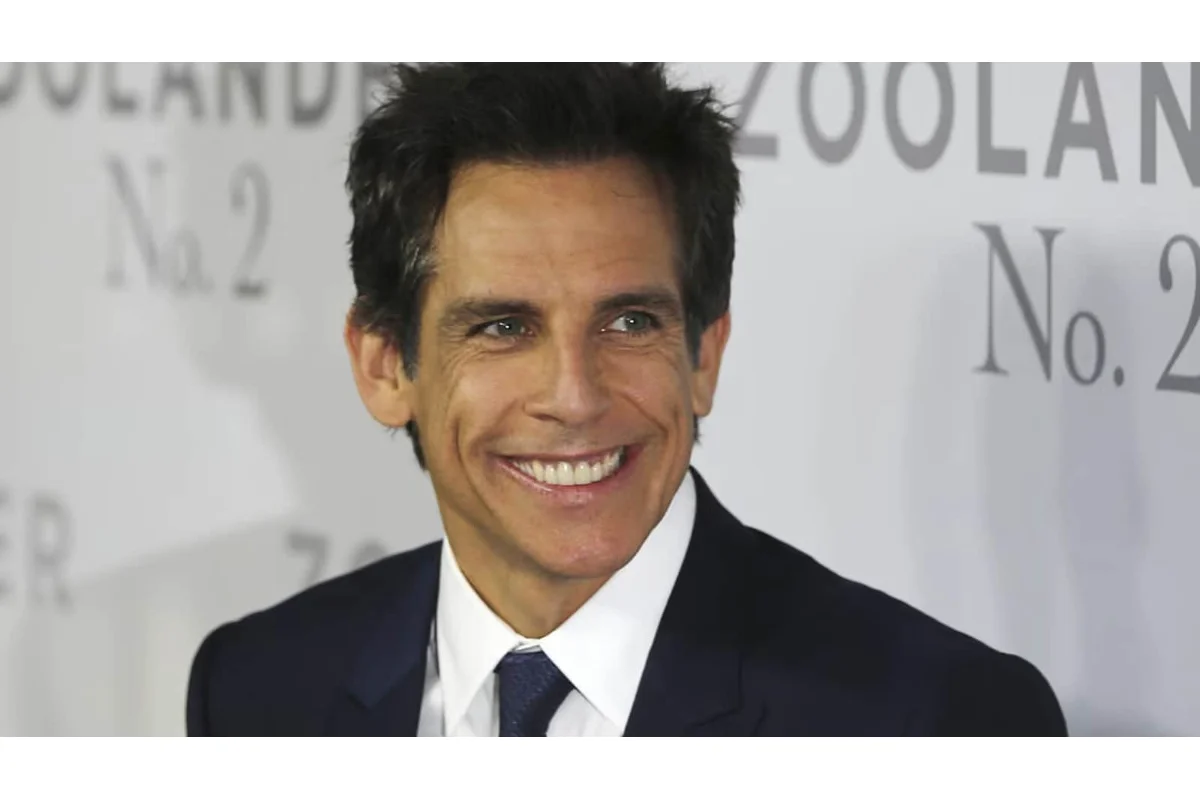
Hey White House, please remove the Tropic Thunder clip. We never gave you permission and have no interest in being a part of your propaganda machine. War is not a movie.
— Ben Stiller, Actor and Filmmaker
His message gained considerable attention online, prompting heated discussion among the public over the blending of entertainment imagery with real-life warfare in political messaging. Social media users voiced concerns about the ethical implications and the potential dramatization of genuine military actions.
Earlier Celebrity Objections to White House Use of Creative Works
Ben Stiller’s complaint is not an isolated case. Several other artists recently requested the removal of their music or footage from White House videos due to disagreements with their usage. Last December, singer Sabrina Carpenter asked for her song “Juno” to be excluded from a video promoting immigration enforcement. Similarly, Olivia Rodrigo requested her song “All-American Bitch” be removed from a comparable video. Additionally, musician Kenny Loggins demanded the withdrawal of his famous Top Gun track “Danger Zone” after it was featured in a governmental video portraying a fighter jet targeting protesters.
Rising Tensions in West Asia Provide Context
The controversy unfolds amid escalating hostilities in West Asia involving the United States, Israel, and Iran. Recent military operations and retaliatory missile and drone attacks have deepened geopolitical instability across the region. These developments have disrupted flights, impacted energy markets, and heightened international concerns.
The use of cinematic war images alongside actual footage in official government communications has added tension to an already sensitive situation, raising important questions about how armed conflict should be represented publicly.
Impact and Broader Implications of the Dispute
This incident highlights the growing friction between artists and the government over the use of creative content in political contexts. For Ben Stiller and others, the unauthorized use of their work in propaganda-like materials risks trivializing serious issues such as war, which are far from entertainment.
The widespread debate also reflects frustration among audiences who expect more responsible communication that respects the gravity of armed conflict. How the White House will respond to these objections and whether it will alter its approach to content usage remains to be seen.
JUSTICE THE AMERICAN WAY. 🇺🇸🔥 pic.twitter.com/0502N6a3rL
— The White House (@WhiteHouse) March 6, 2026
Hey White House, please remove the Tropic Thunder clip. We never gave you permission and have no interest in being a part of your propaganda machine. War is not a movie. https://t.co/dMQqRxxVCa
— Ben Stiller (@BenStiller) March 6, 2026
