
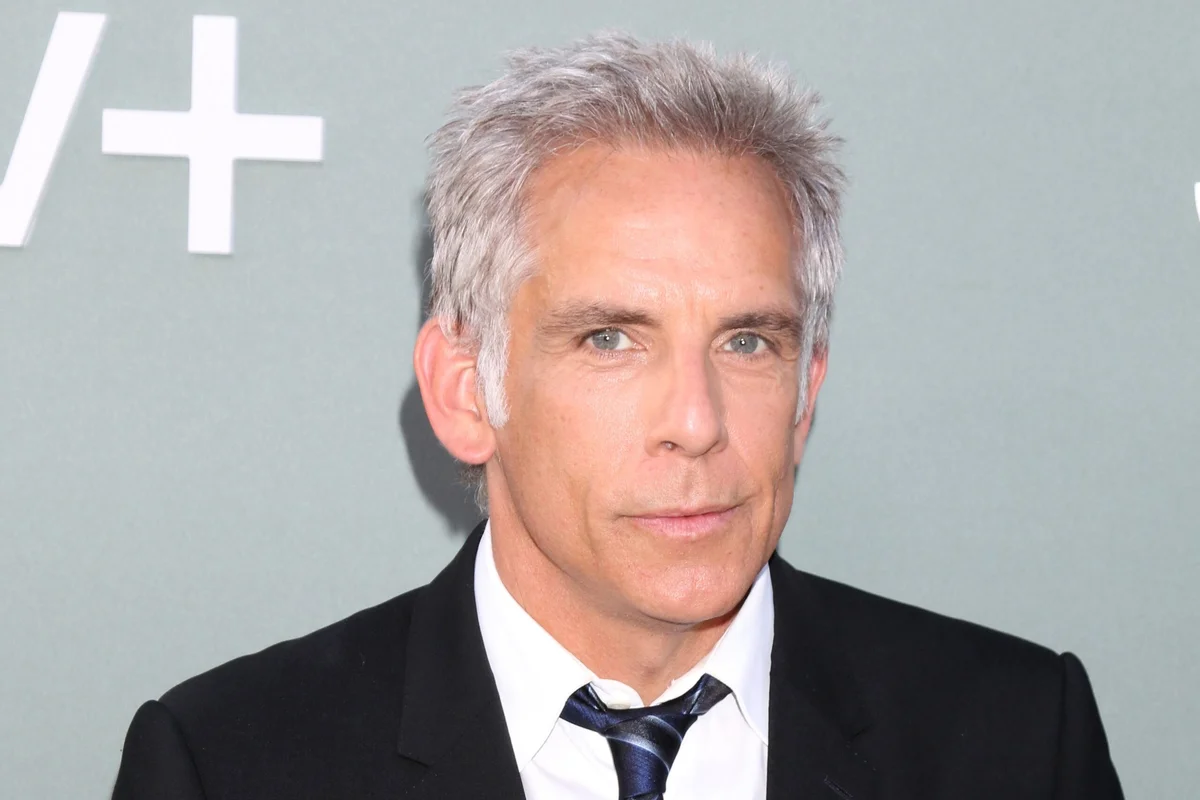
Ben Stiller has publicly called on the White House to take down a clip from his film Tropic Thunder, which was used without permission in a pro-war montage shared on social media. The request was made after the White House included the clip in a recent video promoting military strikes on Iran, sparking backlash for its controversial tone.
The 42-second video montage interspersed footage of recent U.S. strikes on Iran with scenes from various Hollywood movies such as Gladiator, Iron Man 2, Braveheart, Top Gun: Maverick, and Superman. The clip featuring Tropic Thunder showed Tom Cruise’s character, Les Grossman, a loud and brash Hollywood producer, dancing triumphantly amidst the footage.
Ben Stiller Condemns White House for Unauthorized Use of Tropic Thunder Clip
The montage was posted on official White House social media accounts, including its verified page on X, alongside the caption “JUSTICE THE AMERICAN WAY” with accompanying flame and American flag emojis. Stiller publicly objected to the clip’s inclusion, posting on X:
Hey White House, please remove the Tropic Thunder clip. We never gave you permission and have no interest in being a part of your propaganda machine. War is not a movie. https://t.co/dMQqRxxVCa— Ben Stiller (@BenStiller) March 6, 2026
He emphasized that his film was never authorized to be part of the White House’s messaging, rejecting the use of entertainment to promote a real-life military conflict. The montage concluded by showing a U.S. strike on an Iranian ship, followed by an animated character demanding “now end this!” and a flashing White House logo, with a nod to former President Donald J. Trump. The soundtrack included a voice saying “flawless victory,” referencing the Mortal Kombat video game.
Context Behind Tropic Thunder and Its Inappropriate Use
Tropic Thunder, released in 2008, is a satirical action comedy directed by, co-written by, and starring Ben Stiller. The film centers on a group of actors filming a big-budget war movie about a Vietnam veteran’s memoir. The actors, struggling with personal challenges and poor direction, end up living the roles of soldiers they portray after an unexpected turn of events.
The cast includes Jack Black, Nick Nolte, Steve Coogan, Danny McBride, and Robert Downey Jr., who notably plays a method actor who dons blackface to portray a Black soldier, a controversial element of the film’s satire. The stark contrast between the film’s comedic critique of Hollywood filmmaking and the White House’s wartime montage has further fueled criticism.
Filmmakers and Public Figures Speak Out Against the White House Video
Filmmaker Jon Favreau, who directed the Iron Man trilogy starring Robert Downey Jr. and is known for upcoming projects including The Mandalorian and Grogu, expressed strong disapproval of the White House’s video. On X, he highlighted the tragic reality behind the conflict:
Hundreds of people are dead. Little girls are dead. Six Americans are dead. Others are risking their lives. Millions across the Middle East are terrified.It’s not a video game. It’s not a meme. It’s not another chance to troll the libs. It’s fucking war. https://t.co/d9G3pSNrlL— Jon Favreau (@jonfavs) March 6, 2026
Favreau’s comments underscore the gravity of war, contrasting sharply with the White House’s use of video game and movie clips to frame military actions as entertainment. Many social media users have also voiced outrage, describing the video’s tone as “tasteless” and “disgusting and embarrassing.”
Previous Controversies Over White House’s Use of Entertainment Media
The current backlash follows earlier criticism directed at the White House for blending footage of real missile strikes with video game content. Just a day before the Tropic Thunder controversy, the White House posted a video that combined strike footage with scenes from the Call of Duty video game series. Shortly after, the administration posted another montage featuring Grand Theft Auto gameplay, where after each strike explosion, the word “wasted” flashed on screen—a term from the game signalling a character’s death. These videos attempted to cast military actions in a gamified and casual light.
The death toll from the ongoing conflict remains severe: Iranian officials reported more than 1,230 fatalities in Iran alone, with over 70 deaths in Lebanon and around a dozen in Israel as of Thursday. The losses highlight the human cost behind the shocking imagery the White House has circulated.
Artists Condemn White House for Using Their Work to Promote Military Actions
Ben Stiller’s opposition is part of a growing movement of performers decrying the unauthorized use of their art in White House videos. The Trump administration has previously faced similar backlash from musicians and actors, including Radiohead, Olivia Rodrigo, the Rolling Stones, and Celine Dion, all protesting use of their songs or likenesses without consent.
Recently, pop singer Kesha spoke out against the White House after her song “Blow” was used in a video portraying jets launching missiles to destroy an enemy ship. The song’s explosive chorus timed closely with the missile strike was paired with the caption “Lethality” plus fire and eagle emojis. Kesha responded on social media:
“It’s come to my attention that The White House has used one of my songs on TikTok to incite violence and threaten war,”
she said, expressing dismay over the use of her music to promote aggression.
She added:
“Trying to make light of war is disgusting and inhumane. I absolutely do NOT approve of my music being used to promote violence of any kind.”
Kesha also urged people to
“love yourself and each other in times like this,”
condemning the administration’s disregard for human life and the collective trauma such videos cause.
In response, White House communications director Steven Cheung dismissed criticism, tweeting:
“All these ‘singers’ keep falling for this. This just gives us more attention and more view counts to our videos because people want to see what they’re b****ing about.”
Implications and Continued Controversy Over Political Use of Entertainment
The White House’s repeated use of entertainment clips to frame real and deadly military operations as stylized, gamified content has provoked widespread condemnation. The unauthorized use of films, songs, and video games in this context underscores a deeper conflict over respect for artistic works and the human suffering behind news headlines.
With prominent figures like Ben Stiller and Jon Favreau demanding removal of their work, and performers like Kesha speaking out against these tactics, the controversy shows no sign of abating. The situation raises urgent questions about the limits of political messaging and the ethical responsibilities of governments when communicating about war.
As tensions in the Middle East continue and the war’s toll rises, public scrutiny on how governments present such conflicts through media will likely intensify. The White House’s handling of its social media content and its relations with artists could have lasting effects on public trust and political discourse.
Hey White House, please remove the Tropic Thunder clip. We never gave you permission and have no interest in being a part of your propaganda machine. War is not a movie. https://t.co/dMQqRxxVCa
— Ben Stiller (@BenStiller) March 6, 2026
Hundreds of people are dead. Little girls are dead. Six Americans are dead. Others are risking their lives. Millions across the Middle East are terrified.
It's not a video game. It's not a meme. It's not another chance to troll the libs. It's fucking war. https://t.co/d9G3pSNrlL
— Jon Favreau (@jonfavs) March 6, 2026
OPERATION EPIC FURY
• Destroy Iran’s missile arsenal.
• Destroy their navy.
• Ensure they NEVER get a nuclear weapon.Locked in. pic.twitter.com/ika3MMJmZT
— The White House (@WhiteHouse) March 6, 2026
