
The lines between American politics and Hollywood have been increasingly intertwined, especially since the 1980s when Ronald Reagan transitioned from film star to president. This shift blurred the boundaries between political leadership and entertainment, sparking a trend where public personas often combined elements of both worlds. One notable figure who embodied this crossover was Arnold Schwarzenegger, the bodybuilder and actor who became Governor of California, blending his Hollywood image with a politically ambitious identity.
Schwarzenegger’s political style included a robust embrace of Republican values and capitalist ideals, but his public statements also sparked controversy. During his 2004 campaign, he famously derided Democratic opponents with the term “girly men,” criticizing their perceived lack of strength or resolve. He declared,
If they don’t have the guts to come up here, I call them girly men
, which highlighted his confrontational approach to political discourse.
The Origins of Streep’s Ruthless Senator Role in The Manchurian Candidate
It was in that same year, 2004, that Meryl Streep prepared to portray Senator Eleanor Shaw, a cold and calculating politician, in The Manchurian Candidate. Schwarzenegger’s public persona served as an unexpected but clear point of reference for Streep’s character development. She stated,
Senator Shaw is a recognisable trope, In fact, most of the models I looked at for the character were men. Behaviour such as hers, how she is in a room, how she takes over, how she strategises, how she leads the discussion, is just off-putting because it’s done by somebody in beads and a bubble haircut. If it were a man, people would say: ‘Fantastic! That guy has balls!’ And balls are not attractive on a woman.
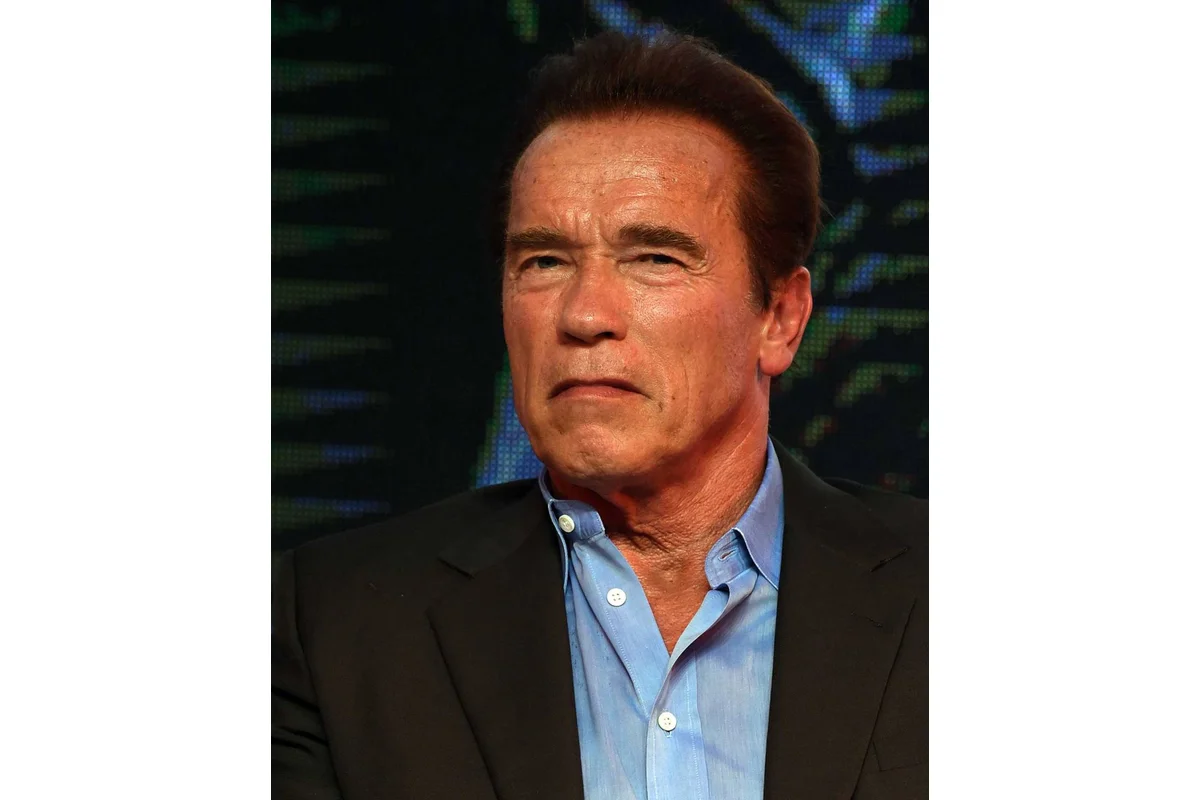
Streep explicitly linked this observation to Schwarzenegger’s earlier political rhetoric, using it to explore the complex themes of power, gender expectations, and public perception within the political landscape. She remarked,
I looked at him, too, when I was preparing for the role, because she has a charm about herself, as he does, and the arrogance is there as well
, acknowledging Schwarzenegger’s influence as a source of inspiration for her portrayal.
Finding Deeper Political Inspiration Beyond Schwarzenegger
Yet, while Schwarzenegger represented a certain brashness and caricatured leadership style, Streep found his political persona somewhat shallow for the nuances she sought to express. Instead, she turned to Tom DeLay, a powerful Republican congressman from Texas, whose behind-the-scenes control and strategic prowess provided richer material for the character.
About DeLay, Streep commented,
He’s the power in Congress, the Republican muscle. I looked at him because he is the man who runs the president and keeps him on message. People such as him are animated by a kind of certainty that’s just breathtaking, and yet it’s what we demand from our political leaders.
Her focus on this real-world political figure highlighted the demanding nature of political power and control that her character embodied.
The Enduring Impact of Political Figures on Streep’s Performance
Incorporating elements inspired by Schwarzenegger’s bold and provocative style was a deliberate choice that added an edge to Streep’s senator. However, the deeper influence of figures like DeLay provided her character with the psychological weight and authority necessary for the role. The outcome was a compelling performance that reinforced Streep’s reputation as a masterful actor capable of channeling complex political personas.
This blending of real political personalities into fictional characters demonstrates how Arnold Schwarzenegger political influence extends beyond his own career, shaping portrayals of power and the challenges faced by female leaders in male-dominated environments. As contemporary politics continue to evolve, one wonders which current figures might inspire future portrayals in cinema, and how those portrayals will reflect the shifting dynamics of authority and gender in American politics.
