
Director Zack Snyder has insisted that he did not alter the ending of the iconic comic book Watchmen in his 2009 film adaptation, despite replacing the original’s giant squid catastrophe with a reactor explosion. Fans of the graphic novel by Alan Moore and Dave Gibbons have long debated the difference between the comic’s controversial climax and Snyder’s version, which also aims to unite humanity through a manufactured global crisis.
How the Original Watchmen Ending Unfolds
The 1986 comic book Watchmen imagines a world where superheroes emerged in the 1940s, drastically changing warfare and technological progress, while also highlighting the corruption inherent in unchecked vigilantes. The story culminates in the brutal act of Ozymandias, who orchestrates a massive disaster to force global unity. This disaster is portrayed as the sudden appearance and attack of a gigantic, squid-like creature in New York City, resulting in massive casualties. The surviving heroes eventually accept Ozymandias’ moral gamble to maintain this uneasy peace.
The Film’s Different Catastrophe and Its Impact
In contrast, Snyder’s film removes the monstrous squid and instead depicts Ozymandias causing explosions at Doctor Manhattan’s clean energy reactors, killing millions. This shift directs human fear and anger towards Doctor Manhattan, compelling humanity to reject its own superheroes and come together against a perceived common enemy. While some fans criticized this change as a dilution of the comic’s grotesque and shocking ending, Snyder defended the modification as a thematic echo rather than a fundamental rewrite.
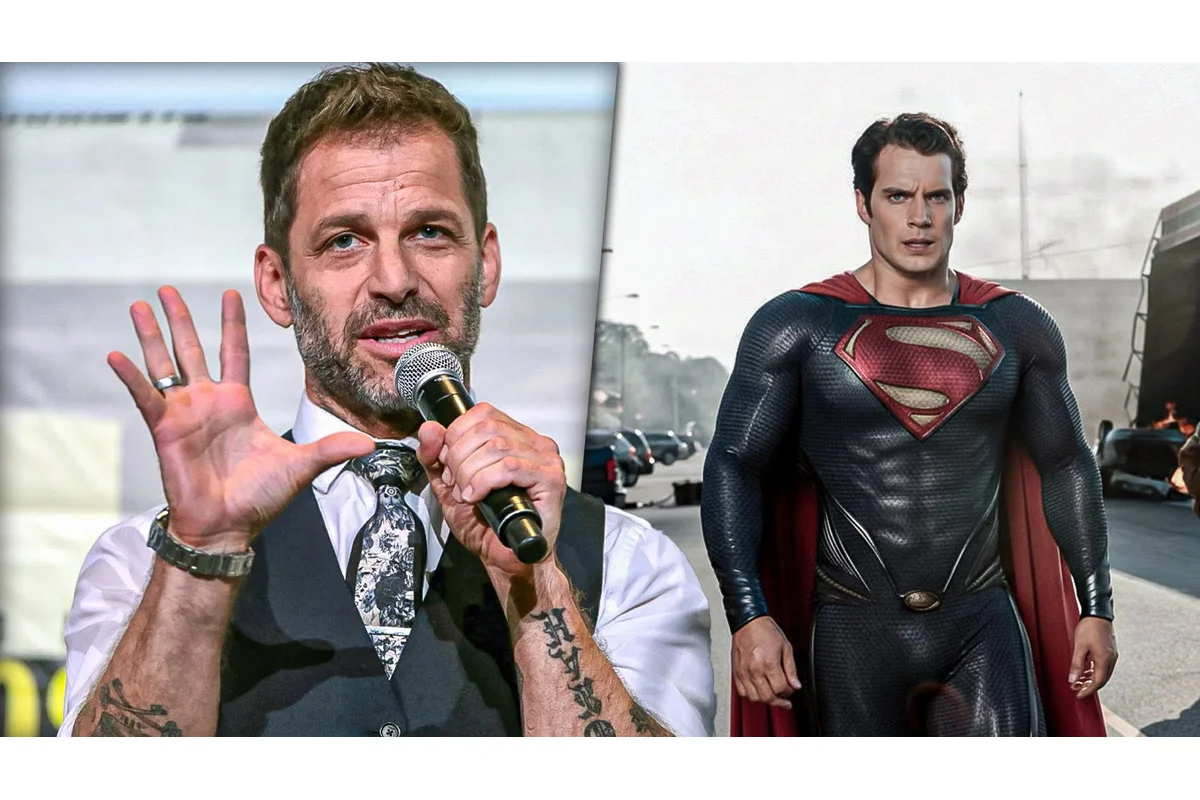
Snyder’s Defense of His Film’s Ending
Zack Snyder openly acknowledged the backlash from comic book enthusiasts regarding the altered conclusion but maintained that the essential story remained intact. He explained in a 2009 interview with The New York Times:
“I think it keeps the movie on point a little more than it would if we had the squid, then I think we would have had to go explain and talk about. I like the squid in the graphic novel. Everyone thinks I hate the squid, and I don’t get ‘Watchmen.’ ‘Snyder’s crazy, he’s ruining it. He changed the ending’ — which I did not, I will say. Like, if you really talk about, What is the end of ‘Watchmen?’ It’s the exact same ending that there is in the book, there’s no two ways about it.”
While there are undeniable differences in visual and narrative tone, Snyder argued that the main plot—the manufactured global crisis designed to unify humanity—remains a constant in both versions.
Why the Squid Plot Was Left Out
Snyder further explained his decision while addressing how including the squid monster would have affected the film’s length and pacing. The theatrical cut of Watchmen is already lengthy at 163 minutes, and Snyder’s own extended version, Watchmen: The Ultimate Cut, runs 215 minutes. Introducing the squid and its backstory would have required a significant diversion of screen time. He said:
“I think for me, the squid just represents a 30-minute right turn that, in order for it to make any sense at all, you would have to take. What I was concerned with, if I took that 30-minute left turn to explain the squid, you’d be talking about taking 30 minutes of other stuff out of the movie. And right now, I’m on the edge with just how much Rorschach I have, and how much Nite Owl, and how much Doctor Manhattan, just as far as their character stuff. I wouldn’t want to lose a minute of that stuff.”
This concern suggests that Snyder prioritized character development and balance, especially for characters like Rorschach and Nite Owl, over faithfully recreating the squid monster sequence. Rorschach, played by Jackie Earle Haley, represents the gritty and nihilistic vigilante, while Patrick Wilson’s Nite Owl represents a more introspective hero confronting middle age. The film’s ending, while different in approach, was also reportedly well-received in test screenings.
The Thematic Consequence of Rejecting Doctor Manhattan
The film’s decision to have Ozymandias target Doctor Manhattan’s reactors instead of unleashing a giant squid shifts the story’s thematic focus. Instead of a bizarre and horrifying external threat, Snyder’s ending centers on humanity’s rejection of superheroes, symbolized by Doctor Manhattan’s forced exile to another planet. This tonal adjustment frames the rejection of heroes as the necessary evolution for human unity and survival.
In both versions, though, the key principle remains: Ozymandias manufactures a global catastrophe with immense loss of life to engineer peace, questioning the moral cost of such an act. This enduring theme highlights the ambiguous nature of heroism and sacrifice, inviting readers and viewers alike to examine who, ultimately, watches and holds accountable the Watchmen themselves.
Balancing Fan Expectations and Cinematic Storytelling
Throughout the adaptation process, Snyder faced a difficult choice between remaining faithful to the exact moments of the comic and crafting a film that maintained narrative momentum and character focus. Omitting the squid can be understood as an artistic decision grounded in those concerns, despite anger and frustration among purists who valued the original graphic novel’s shocking visual and narrative impact.
Moreover, Snyder’s version altered other elements of tone and storytelling, differentiating the film significantly from its source material. Nonetheless, the echo of the comic’s central moral dilemma and climactic gambit remains, underscoring the enduring potency of Watchmen’s message about power, corruption, and unity in crisis.
