
James Gunn Wonder Woman remains an essential topic as the new DC Universe (DCU) unfolds, yet the franchise appears to be sidelining her despite her legendary status. On International Women’s Day, reflecting on Wonder Woman’s significance highlights her as the most famous female superhero in the United States, whose impact has spanned generations and mediums from Lynda Carter’s 1970s portrayal to Gal Gadot’s modern depiction.
DC has long acknowledged Wonder Woman as a core figure, frequently naming her as part of its revered Trinity alongside Batman and Superman. The character has enjoyed pivotal roles in comics and films, affirming her as a global icon and a major asset to DC’s storytelling. Nevertheless, the current trajectory of James Gunn’s DCU shows a troubling neglect of Wonder Woman’s cultural importance, signaling a missed opportunity for the franchise to honor her legacy fully.
Wonder Woman Needs Greater Focus Within James Gunn’s DCU Plans
The DCU launched by James Gunn has made progress with titles such as Superman, Peacemaker, The Suicide Squad, and Creature Commandos establishing a foundation for the universe. Planned projects like Supergirl, Lanterns, and Clayface are expected to further build momentum. Despite these developments, Wonder Woman remains noticeably underrepresented. Currently, the sole Wonder Woman project in active development is the series Wonder Woman: Paradise Lost, which Gunn has confirmed is continuing despite persistent rumors of cancellation.
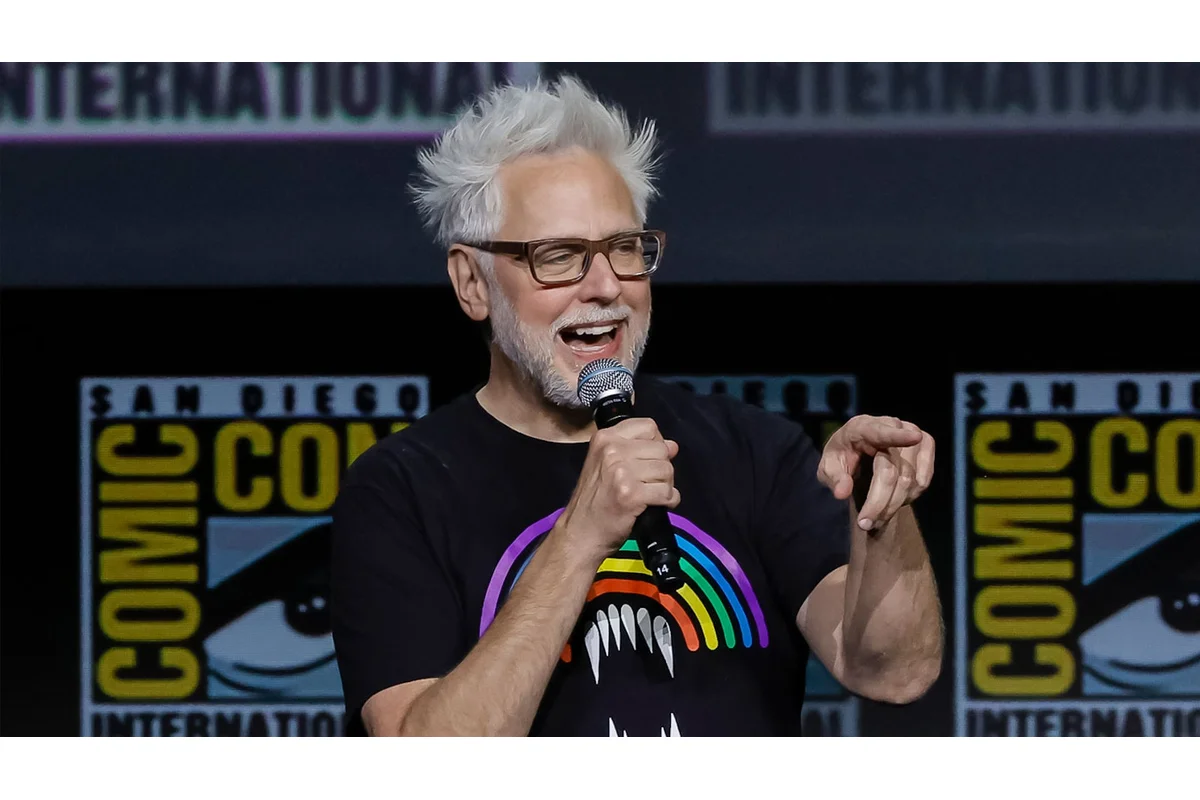
However, Wonder Woman: Paradise Lost remains years away, and since June, no official updates on a new Wonder Woman feature film have emerged. This delay makes it clear that Wonder Woman does not hold the same priority within the DCU framework as other characters, despite her legendary status.
It is perplexing to observe characters like Clayface, a Batman antagonist, receiving solo projects ahead of Wonder Woman, as well as the prioritization of Creature Commandos, an animated series. A character as iconic as Diana Prince should be foundational to the DCU’s narrative efforts from the very beginning rather than a secondary concern following niche or male-centric franchises.
The sidelining of Wonder Woman within James Gunn’s vision suggests a failure to capitalize on her potential to attract and empower diverse audiences. Her role should be as prominent as Superman’s or Batman’s, yet the current focus risks diminishing her influence and legacy during a period when her popularity could be greater than ever.
Wonder Woman Shone Brightly in Zack Snyder’s DCEU
The uncertainty surrounding Wonder Woman’s place in the new DCU contrasts sharply with her celebrated presence in Zack Snyder’s DCEU. While Snyder’s overall DCEU received mixed responses, especially concerning films like The Flash and Black Adam, the portrayal of Wonder Woman garnered widespread acclaim.
Her 2017 solo film was a critical and financial triumph, achieving a 93% approval rating on Rotten Tomatoes and often considered one of the strongest DCEU entries. The movie presented Diana with maturity and respect, highlighting her heroism and complexity effectively. Though the follow-up, Wonder Woman 1984, did not meet the same level of praise, the 2017 film firmly established Wonder Woman as a compelling leading character within the cinematic universe.
Moreover, Wonder Woman’s inclusion as a vital member of the Justice League underscored her importance within the DCEU’s internal world and storytelling priorities. Snyder’s era recognized her significance, providing her substantial screen time and narrative focus which stands in contrast to the limited engagement in James Gunn’s DCU.
Wonder Woman’s Solo Television Presence Remains Long Overdue
Despite Gal Gadot’s successes on the big screen, Wonder Woman’s absence from television as a solo protagonist has persisted for over fifty years. The only live-action solo Wonder Woman TV series remains the 1975 show starring Lynda Carter, a seminal but dated representation. In the decades since, DC has produced numerous solo shows for other major superheroes, yet Wonder Woman has been largely overlooked.
For instance, Superman has been featured in six live-action series and many animated shows; Batman boasts nine animated series and several live-action projects; Green Lantern has received animated treatment; and other heroes like The Flash, Green Arrow, and Batwoman have been granted their own live-action programs on The CW network. Despite this extensive coverage, Wonder Woman has been relegated mainly to team efforts like Justice League Unlimited and has not headlined a series since 1979.
Upcoming DC television content further highlights this imbalance. While shows such as Lanterns, centered on Green Lantern, Amanda Waller’s own series, and a second season for Batman: The Caped Crusader proceed, the only prospect for Wonder Woman on TV revolves around the proposed origin-focused Paradise Lost. This series could resemble a Smallville-style origin story if it reaches completion, but it still represents a tentative step rather than the full spotlight she deserves.
DC’s television history, combined with its current plans, shows a pattern of undervaluing Wonder Woman’s standing compared to her peers. With the DCU in its early stages, James Gunn faces a critical opportunity to rectify past oversights and elevate Wonder Woman through dedicated projects, ensuring she is portrayed with the prominence this enduring icon merits.
