
As the Oscars approach, Jessie Buckley stands as a strong contender for Best Actress, praised for her intense role in “Hamnet.” However, her latest film, “The Bride!,” has faltered commercially and provoked comparisons to a long-standing Oscar controversy involving Eddie Murphy and the 2007 film “Norbit.” This ongoing debate highlights how an actor’s choices outside their award-nominated work can complicate their chances, a dynamic today known as the “Eddie Murphy Oscar controversy.”
The Parallel Between Jessie Buckley’s Films and Eddie Murphy’s Oscar Bid
Buckley’s emotionally charged performance in “Hamnet” has positioned her as a frontrunner for this weekend’s Academy Awards. Yet, her starring role in “The Bride!,” a big-budget horror drama directed by Maggie Gyllenhaal, has been a box office failure and stirred critical division. Despite “The Bride!” having high artistic ambitions, it failed to gain traction with audiences, doing even worse financially than “Hamnet.”
This scenario quickly drew comparisons to Eddie Murphy’s Oscar journey in 2006. Murphy was considered a likely nominee and strong contender for Best Supporting Actor for his role in “Dreamgirls.” However, the release of “Norbit,” a broad and crude comedy in which Murphy played several exaggerated characters, complicated his awards prospects. “Norbit” earned negative reviews despite its box office success, which some observers believe damaged Murphy’s awards momentum.
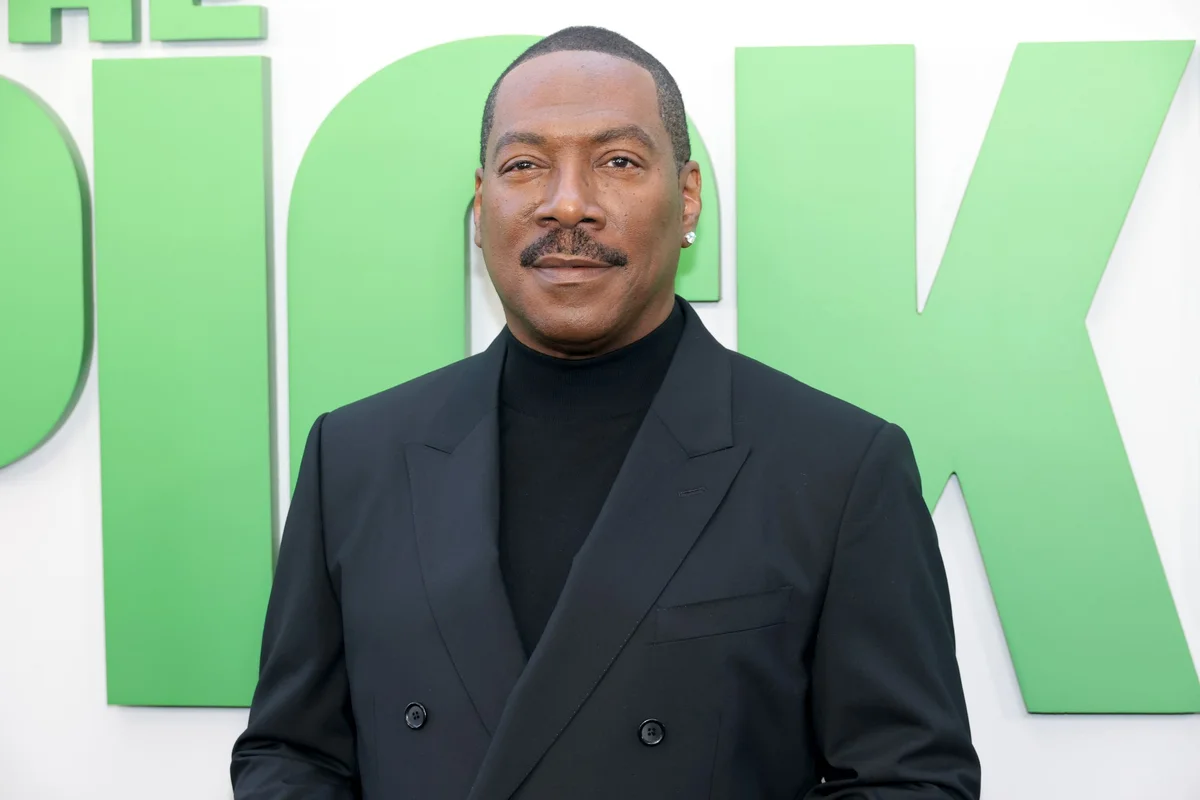
Murphy’s 2007 Oscar Experience and the “Norbit” Effect
Murphy ultimately lost the Oscar to Alan Arkin for “Little Miss Sunshine,” a film that generated less awards buzz. Many industry insiders attributed this loss, at least in part, to the fallout from “Norbit.” The film’s adult humor and exaggerated caricatures contrasted sharply with Murphy’s more serious turn in “Dreamgirls,” leading critics and pundits to speculate that “Norbit” undercut his legitimacy as an awards contender.
Unlike Murphy’s dual-role comedy “Bowfinger,” which later sparked discussions about comedy deserving equal awards respect, “Norbit” was widely panned. Despite making more money than “Bowfinger” and nearly rivaling “Dreamgirls,” it became a commonly referenced example of a commercially popular but critically reviled film that may harm an actor’s awards hopes. Since then, the term “Norbit-ing” has been used to describe instances where actors’ concurrent film releases might jeopardize their Oscar chances.
Other Cases of “Norbit-ing” and Its Gendered Perception
Over the years, various actors have been loosely accused of “Norbit-ing.” Anne Hathaway’s “Bride Wars” released during her campaign for “Rachel Getting Married,” Natalie Portman’s mainstream hit “No Strings Attached” concurrent with “Black Swan,” and Nicole Kidman’s appearance in the comedy “Just Go With It” during her “Rabbit Hole” nomination year all raised eyebrows. Entertainment outlets also debated whether Julianne Moore and Eddie Redmayne risked their prospects by appearing in less prestigious films simultaneously with their acclaimed performances.
Interestingly, while the original “Norbit” controversy involved Murphy, a male actor, many subsequent accusations of “Norbit-ing” have focused on women. This shift reflects an undercurrent of judgment about female performers’ choices and public behavior, often casting doubt on whether their performances are “too much” or undeserving of accolades, especially when engaging with commercial or exuberant roles alongside serious awards content.
How “The Bride!” Amplifies the Debate on Performance and Decorum
“The Bride!” embraces an over-the-top style featuring Buckley as a 1930s moll possessed by the spirit of Mary Shelley. The character’s freewheeling energy includes dancing, shouting, and using multiple accents, blending feminist fury with unsettling theatricality. Such an approach challenges conventional expectations of restraint usually associated with awards-caliber acting, which may alienate some voters and critics.
In contrast, Buckley’s performance in “Hamnet” is deeply emotional and grounded in grief, playing the wife of William Shakespeare in a fictionalized yet moving portrait. Critics have debated whether her intense emoting in “Hamnet” itself risks appearing excessive, but the extreme style of “The Bride!” undeniably amplifies this perception of “too much,” creating a complicated image for voters evaluating her overall body of work in the awards season.
The Context of Eddie Murphy’s Ongoing Challenges with Oscar Voters
Murphy’s experience with “Norbit” is only one part of a broader challenge facing him and Black performers in Hollywood. Despite his immense popularity, this struggle includes unspoken barriers and stereotypes permeating the Academy’s voting tendencies. Murphy has creatively addressed these issues, notably in “Bowfinger,” where his character’s cynical monologues highlight the racial inequities embedded in awards recognition.
It’s possible that “Norbit” provided voters with an excuse to favor a more conventional, white nominee. Industry insiders have also described Murphy as occasionally difficult to work with, which might have further complicated his awards standing. Additionally, his outspoken criticism of the Academy’s lack of diversity, famously aired during the 1988 Oscars ceremony, may have influenced the reception of his work.
Evaluating The Impact of “Norbit” and “The Bride!” on Oscar Prospects
While “Norbit” has been blamed for Murphy’s Oscar loss, the reality is more likely a combination of many factors, including industry politics, race, and voter preferences. Murphy’s “Dreamgirls” itself may not have carried the expected awards weight, having been passed over for Best Picture recognition. Similarly, the release timing of “The Bride!” after Oscar voting had closed suggests it probably will not influence Buckley’s chances in the current race.
Nevertheless, the conversation about “Norbit-ing” and how simultaneous commercial projects affect nominations will likely continue. Despite “Norbit” being a critical target for years, it ironically earned a 2008 Oscar nomination for Best Makeup, underscoring the complicated nature of awards judgment and the possibility that recognition can come in unexpected forms.
Looking Ahead: What This Means for Awards Season Dynamics
Jessie Buckley’s Oscar nod amid the contrasting receptions of her two recent films exemplifies how awards season intricacies still involve balancing artistry with public image. The uneasy legacy of “Norbit” remains a cautionary tale about how voters and fans interpret an actor’s entire career context during final decisions. As the Oscars approach, Buckley’s case will serve as a dramatic example of the ongoing tension between daring performance choices and traditional industry expectations.
