Joe Pesci Bio
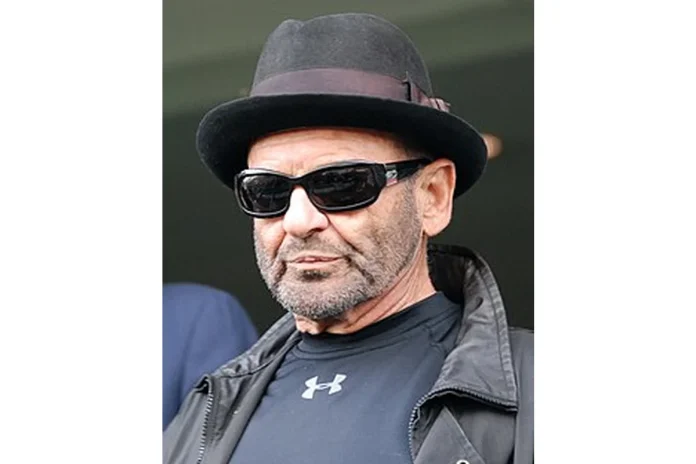
Joseph Frank Pesci, born February 9, 1943, is an American actor and musician widely recognized for portraying tough, volatile characters across crime dramas, comedies, and historical epics. He is best known for his long-running collaborations with director Martin Scorsese and actor Robert De Niro in films such as Raging Bull, Goodfellas, Casino, and The Irishman. Pesci won the Academy Award for Best Supporting Actor for his role as mobster Tommy DeVito in Goodfellas and earned two additional Oscar nominations in the same category. Beyond acting, he has released three studio albums, blending pop, jazz, and humor over a career that has spanned more than six decades.
Early Life and Background
Joseph Frank Pesci was born on February 9, 1943, in Newark, New Jersey. His mother, Mary Pesci, worked part time as a barber, and his father, Angelo Pesci, was a forklift truck driver for General Motors as well as a bartender. He is of Italian descent, with family roots in Turin and in the town of Aquilonia in the province of Avellino. Pesci was raised in Belleville, New Jersey, where he graduated from Belleville High School.
By the time he was five years old, Pesci was already appearing in plays in New York, signaling an early comfort with performance. At age ten, he became a regular on a television variety show called Startime Kids, which also featured singer Connie Francis. Growing up in Belleville placed him near several future music legends, and as a young entertainer he became acquainted with guitarist Tommy DeVito of The Four Lovers and keyboardist Bob Gaudio of The Royal Teens. In 1958, Pesci introduced Gaudio to DeVito and Frankie Valli, an event that led directly to the formation of the band The Four Seasons.
He also pursued music from a young age, playing guitar in local bands during his teenage years. This early immersion in both stage performance and popular music gave Pesci a versatile foundation that would later shape his dual career as an actor and recording artist.
Path to Celebrity
In the 1960s, Pesci worked as a barber, following in his mother’s footsteps, while simultaneously trying to launch a musical career. He played guitar with several bands, including Joey Dee and the Starliters, the group associated with the Peppermint Twist craze in New York City. In 1968, he released his debut album, Little Joe Sure Can Sing!, billed under the name Joe Ritchie, featuring covers of contemporary pop hits.
After his first album, Pesci teamed with actor Frank Vincent to form the comedy duo Vincent and Pesci, performing together from 1970 to 1976. Their act blended Abbott and Costello-inspired physical comedy with Don Rickles-style insult humor, drawing strong crowds and forging a lasting professional and personal friendship. In 1975, the pair appeared in the Broadway show The New Vaudevillians, which ran for only one week but helped sharpen Pesci’s timing and stage presence.
The first film Pesci starred in was the 1976 low-budget crime film The Death Collector, which co-starred Frank Vincent and signaled his entry into screen acting. After that production, he returned to the Bronx and worked at Amici’s Restaurant while looking for his next opportunity, a period that ended in 1979 when he received a phone call that would define his career.
Joe Pesci Career
Early Career (1961–1979)
Pesci began performing professionally in the early 1960s, balancing small stage appearances, band work, and a steady barber job. His early exposure on Startime Kids and in local theaters helped him develop the comedic instincts and streetwise charisma that would later define his screen persona. During this period he also continued pursuing music, including work with Joey Dee and the Starliters, and released his debut album in 1968.
By the mid-1970s, Pesci had transitioned from music and live comedy into film, first appearing alongside Frank Vincent in the 1976 crime film The Death Collector. The role was modest in scale but showcased his ability to inhabit edgy, morally ambiguous characters. The experience prepared him for the call he received in 1979 from Martin Scorsese and Robert De Niro, who offered him a part in their upcoming project, Raging Bull.
Breakthrough (1980–1990)
In 1980, Pesci co-starred with Robert De Niro in Martin Scorsese’s Raging Bull, playing Joey LaMotta, the brother of De Niro’s lead character. He won the BAFTA Film Award for Newcomer to Leading Film Roles in 1981 and earned an Academy Award nomination for Best Supporting Actor. The performance introduced Pesci to international audiences and established him as a serious dramatic actor capable of explosive intensity.
Over the next several years, he appeared in smaller films such as Dear Mr. Wonderful (1982), Eureka (1983), and Easy Money (1983), and was cast alongside De Niro in Sergio Leone’s epic Once Upon a Time in America (1984). He also starred in the short-lived television comedy series Half Nelson in 1985. In 1988, he played the antagonist Frankie Mr. Big LiDeo in the Michael Jackson anthology film Moonwalker, expanding his range into musical fantasy.
He joined the Lethal Weapon franchise in 1989 as comedic sidekick Leo Getz opposite Mel Gibson and Danny Glover, a role he would reprise in 1992 and 1998. In 1990, he reunited with Scorsese and De Niro for Goodfellas, delivering a career-defining performance as mobster Tommy DeVito that earned him the Academy Award for Best Supporting Actor. That same year, he also starred as burglar Harry Lime in the family blockbuster Home Alone, opposite Daniel Stern and Macaulay Culkin, demonstrating his rare ability to shift between intense drama and broad comedy.
Notable Works and Milestones
Throughout the early 1990s, Pesci maintained a remarkable run of high-profile films, including JFK (1991), My Cousin Vinny (1992), A Bronx Tale (1993), and Casino (1995), the last of which earned him the same rib injury he had suffered on Raging Bull fifteen years earlier. He also released the album Vincent LaGuardia Gambini Sings Just for You in 1998, named after his My Cousin Vinny character, and retired from acting in 1999. He returned to the screen in 2006 with The Good Shepherd and later starred in The Irishman (2019), earning another Academy Award nomination for his portrayal of Russell Bufalino.
Joe Pesci Award Nominations
Joseph Frank Pesci has received three Academy Award nominations for Best Supporting Actor, making him one of the most frequently recognized character actors of his generation. He earned his first nomination for Martin Scorsese’s Raging Bull in 1981 and his third for The Irishman in 2020. In addition to his Oscar nods, Pesci has collected nominations from the British Academy of Film and Television Arts, the Screen Actors Guild, and other major industry bodies across his career.
Joe Pesci Awards Won
Pesci won the Academy Award for Best Supporting Actor for his role as Tommy DeVito in Goodfellas in 1991, delivering one of the shortest acceptance speeches in Oscar history. He also won the BAFTA Film Award for Newcomer to Leading Film Roles in 1981 for his work in Raging Bull. These major honors reflect his consistent ability to deliver memorable, award-caliber performances in both dramatic and comedic roles.
| Award | Wins | Year |
|---|---|---|
| Academy Award for Best Supporting Actor | 1 | 1991 |
| BAFTA Film Award for Newcomer to Leading Film Roles | 1 | 1981 |
Joe Pesci Family
Pesci was born to Angelo Pesci, a forklift truck driver for General Motors and a bartender, and Mary Pesci, who worked part time as a barber. He has Italian heritage, with family origins in Turin and in Aquilonia, a town in the province of Avellino. Pesci was raised in Belleville, New Jersey, alongside several figures who later became major names in American popular music, including members of what would become The Four Seasons.
Personal Life
Pesci has been married and divorced three times. His second marriage was to model and actress Claudia Haro from 1988 to 1992, and together they have one daughter. Beginning in 2000, Pesci dated model and actress Angie Everhart; the couple became engaged in 2007 before breaking up in 2008. Despite his fame, Pesci has generally kept his personal life out of the public eye, focusing instead on his craft and his music.