
Aaron Sorkin, celebrated as one of the most talented screenwriters of his generation, unexpectedly stepped behind the camera during the production of the 2010 film The Social Network. While David Fincher directed the movie, on the very last day of shooting, Fincher handed over directing duties to Sorkin for a short sequence, marking an unusual moment in the film’s creation. This rare example of Aaron Sorkin directing Social Network remains a little-known and fascinating incident.
The scene involved filming simple pickups after principal photography had wrapped. Fincher, known for his meticulous and perfectionist approach, was ready to leave the set but entrusted Sorkin to complete the final shot. Although Sorkin is now recognized for directing films like Molly’s Game and Being the Ricardos, at the time, he was primarily focused on writing and had never led a directing effort on a major motion picture.
Challenges and Context Behind Aaron Sorkin’s On-Set Directing Experience
David Fincher’s departure from the set mid-shoot is surprising considering his reputation for extreme precision and control. Fincher’s insistence on multiple takes and attention to the smallest detail makes handing off direction highly unusual. When Fincher announced he was leaving, he informed Sorkin playfully,
“You’re directing the rest of the movie,”
according to the writer. Initially believing it was a joke, Sorkin quickly realized the gravity of the responsibility when assistant director Bob Wagner approached him, confirming his role as head director for the remaining shots.
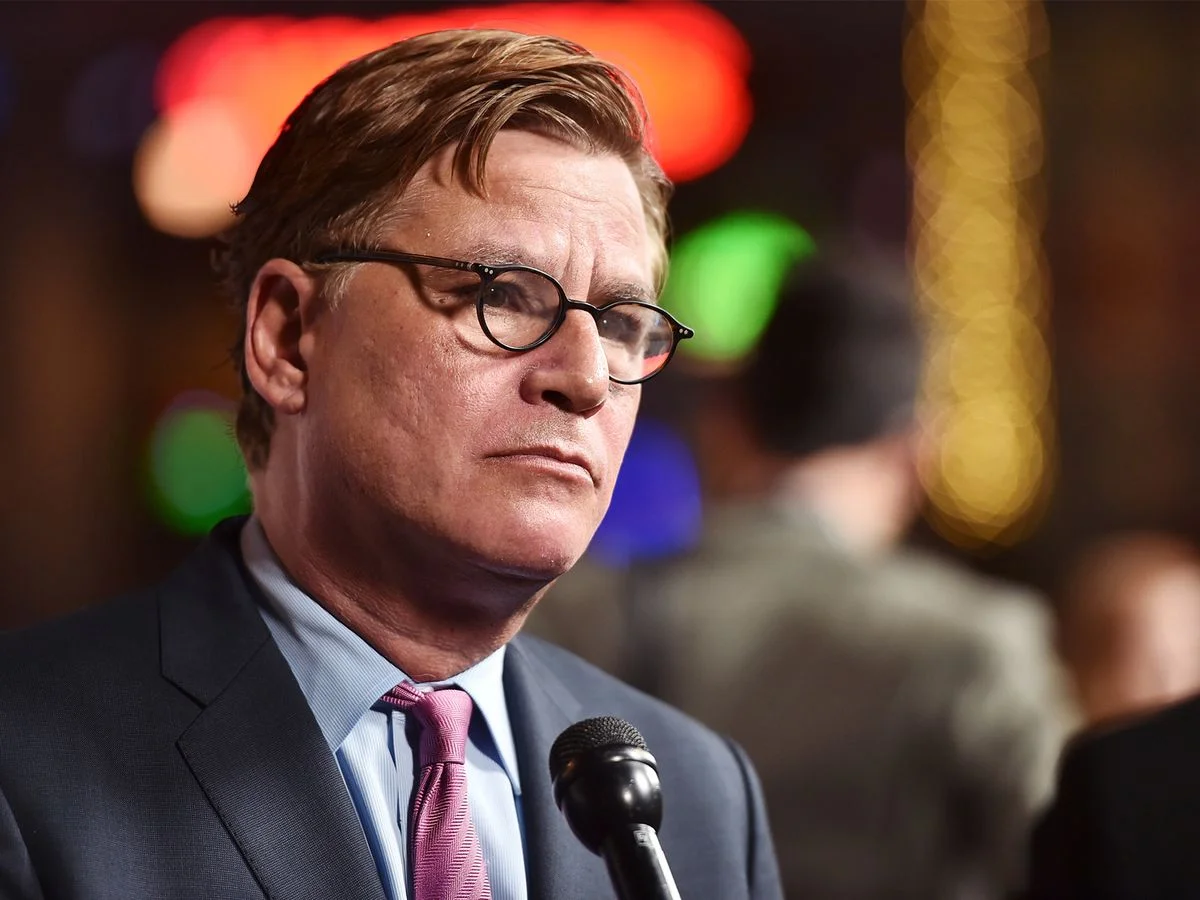
During this brief stint, Sorkin worked closely with cinematographer Jeff Cronenweth to arrange the background, set the wardrobe, and prepare the scene involving Harvard students captivated by an initial Facebook game comparing the attractiveness of female undergraduates. Although the shot lasts less than a second, the process demanded detailed collaboration and coordination. Sorkin recalled that Wagner reminded him to channel Fincher’s rigorous style:
“David will kill me if I only give them two takes. You have to do more,”
prompting them to shoot multiple almost identical takes to match Fincher’s standards.
The Role of Fincher and Sorkin’s Dynamic in the Film’s Success
Although the reason for this abrupt transfer of control remains unclear—even to Sorkin—this moment offers insight into the complex relationship between screenwriter and director on a film known for its sharp dialogue and layered storytelling. Fincher’s exacting vision and Sorkin’s rapid-fire, Shakespearean-influenced script created a dynamic tension that defined The Social Network’s critical success.
Some speculate that Fincher entrusted Sorkin as a form of respect for the writer’s deep involvement in shaping the film’s tone and script, or possibly as a recognition of Sorkin’s growing interest in the directing process. Regardless, the switch exposed how demanding even a simple pickup shot can be, especially under Fincher’s high standards.
Anticipation and Anxiety Surrounding The Social Network’s Upcoming Sequel
The production of The Social Reckoning, the forthcoming companion piece to The Social Network, is stirring mixed reactions. Unlike the original, this new film will proceed without David Fincher or Jesse Eisenberg, whose performances anchored the first movie. The absence of Fincher’s rigorous directing presence leaves many uneasy, as his influence helped balance Sorkin’s often dense dialogue and thematic weight.
The cast features Jeremy Strong, Mikey Madison, Jeremy Allen White, and Bill Burr, illustrating a star-studded ensemble eager to explore Facebook’s controversies in recent years. Yet, without Fincher’s push and pull against Sorkin’s tendencies for self-indulgence, some fear the new film might lack the necessary critical edge, which made the original screenplay resonate so powerfully.
How Sorkin’s Unexpected Directing Moment Helped Shape His Future Career
That brief directing experience during The Social Network may have planted the seed for Aaron Sorkin’s eventual transition into directing full-time. His later work as a director on projects like Molly’s Game shows a more confident command behind the camera, possibly inspired by the trust Fincher unexpectedly placed in him. Sorkin’s creative process thrives under collaboration, which was evident in the original Social Network’s dynamic where Fincher’s cynicism met Sorkin’s idealistic belief in humanity and institutions.
Fincher’s decision to leave the final shot in Sorkin’s hands, seemingly casual yet momentous, created a ripple effect pushing Sorkin beyond writing alone. However, this shift also highlights how much the two artists depended on each other’s unique contributions—something that may be missing in the sequel’s production and could impact how the story is told moving forward.
