
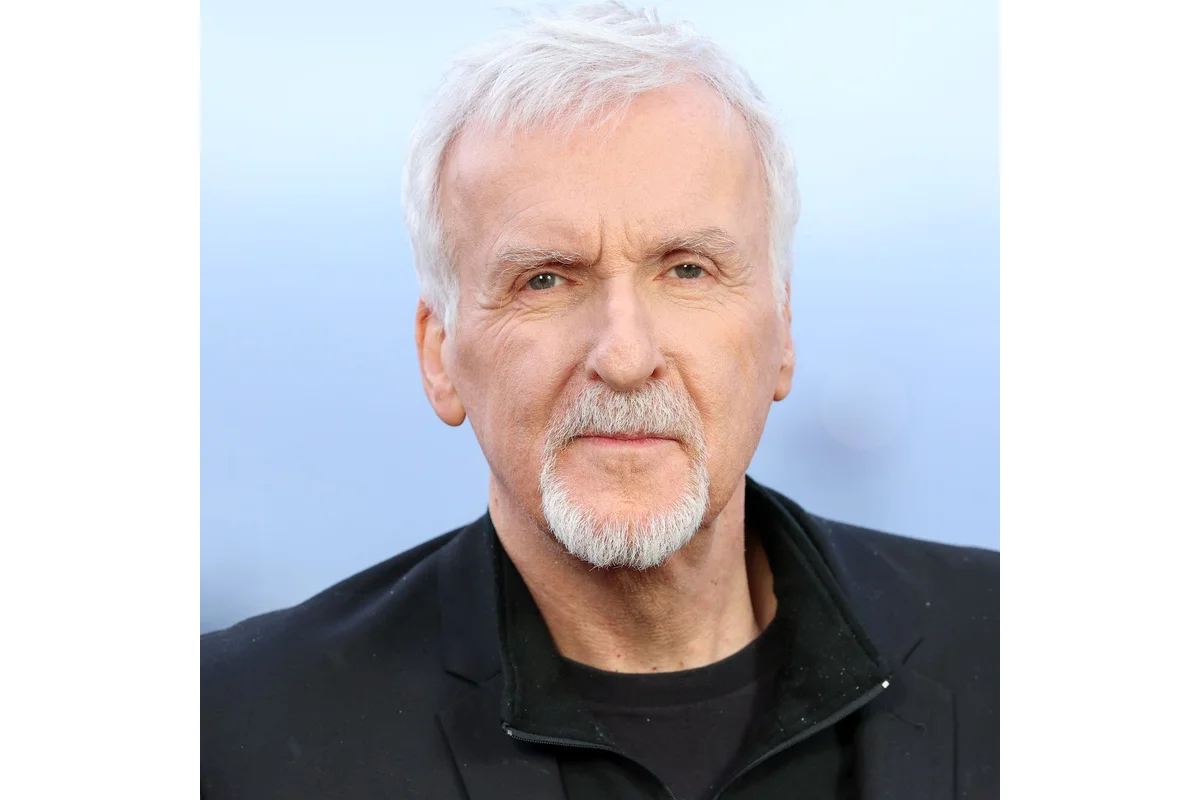
Filmmaker James Cameron, known for his pivotal work on the iconic sci-fi series, has openly criticized the current direction of the Alien franchise, voicing strong opinions during a recent podcast appearance. As new entries like Alien: Romulus and Alien: Earth capture audience attention, Cameron’s candid statements on the creative evolution of the series have sparked widespread reactions among fans and industry insiders, making the topic of James Cameron Alien franchise opinions central to ongoing discussions.
James Cameron’s Candid Views on Recent Alien Installments
Despite the enduring popularity of the Alien franchise, James Cameron remains unconvinced about its current trajectory. Having directed 1986’s Aliens, Cameron is deeply familiar with the saga’s formative elements, yet he revealed on Michael Biehn’s podcast Just Foolin’ About that he has no desire to revisit the series. Addressing his reasons, Cameron said,
“You couldn’t pay me enough money to go back to that franchise. It’s almost become fan-driven at this point.”
– James Cameron, Director
His remarks suggest concern not just with fan enthusiasm but with the direction of the narratives, which he believes have shifted toward imitation and nostalgia rather than innovation. Reflecting on this trend, Cameron likened recent storylines to the derivative feel often associated with fan fiction.
Nevertheless, the Avatar director acknowledged strengths in newer projects. Discussing Alien: Earth, Cameron offered some praise:
“The new Alien: Earth is pretty good. They’ve got a lot of the DNA from Ridley’s film, from ours and also from [David] Fincher’s [Alien 3] as well. Some of those aggressive POVs.”
– James Cameron, Director
When asked about Fede Álvarez’s Alien: Romulus, Cameron had a measured yet positive response:
Yeah, I’ve seen it. I like parts of it. I think it’s inventive, it’s different.
– James Cameron, Director
He singled out a memorable scene involving weightlessness and floating alien acid for its creative execution:
Fede did something interesting, as well. I particularly like the scene where they’re weightless, floating in between the globs of floating alien acid, which is pretty nightmarish and well done.
– James Cameron, Director
Cameron also commented on Neill Blomkamp’s shelved Alien 5 project, which would have reimagined the fate of key characters like Hicks, played by Michael Biehn, and Ellen Ripley, portrayed by Sigourney Weaver. Regarding his knowledge of the project, Cameron said,
“I don’t know anything about that. I know Neill, kind of at a remove, he and I have corresponded a bit. I don’t know the details of that one, but he’s a very inventive guy, Neil. He probably would have done something interesting.”
– James Cameron, Director
Developments and Changes Within the Alien Franchise
Unlike certain fast-moving sci-fi properties, the Alien series has experienced a more staggered release schedule, with Alien: Covenant arriving in 2017 and the more recent Alien: Romulus releasing in theaters in 2024. The latest film has performed well both critically and commercially under the direction of Fede Álvarez, though upcoming sequels will see new creative leadership. With Romulus acting as a spin-off rather than a direct follow-up, the universe now seems open to more diverse storytelling approaches, providing filmmakers opportunities to experiment with new ideas while acknowledging the franchise’s deep roots established by Ridley Scott, David Fincher, and other influential directors.
On television, Noah Hawley’s Alien: Earth has received considerable praise from critics and, over time, built a solid audience base. The positive reception has ensured production of a second season, affirming the growing appetite for serialized narrative exploration within the Alien universe. Elsewhere in science fiction, franchises like Predator have endured similar periods of uncertainty before new releases such as Prey and Predator: Badlands restored momentum and public interest. Given the two series’ previous crossover projects, fans remain hopeful about potential future collaborations or shared storytelling events.
Returning Characters and Expanding Narratives
Central to the Alien mythos are characters like Ellen Ripley, played by Sigourney Weaver, and Hicks, portrayed by Michael Biehn. Other memorable figures include Lance Henriksen’s android and Carrie Henn’s Newt, whose survival and experiences have profoundly shaped the thematic direction of the saga. The narrative of Aliens centers on Ripley’s return after a prolonged deep space stasis, only to find Company executives skeptical of her warnings and the colonized alien planet suddenly silent. Accompanied by a squad of marines, an android, and a Company representative with undisclosed motivations, Ripley discovers Newt as the sole survivor before the acid-blooded xenomorphs launch a relentless attack, initiating a desperate battle for survival.
This focus on both action and emotion has made the Alien series distinctive among science fiction franchises, while evolving casts and creative teams have periodically refreshed its approach. Notably, key individuals such as Ridley Scott, Neill Blomkamp, David Fincher, and Noah Hawley have contributed different perspectives, highlighting the challenges of balancing original vision with ongoing audience demand.
What Cameron’s Critique Means for the Franchise’s Future
James Cameron’s critical stance underscores ongoing debates about the direction of the Alien franchise, especially as new installments seek to blend nostalgia with originality. While Cameron’s refusal to participate further signals possible creative fatigue, his praise for select aspects of Alien: Earth and Romulus suggests that innovation within the established formula is still achievable. As critical and fan attention remains high, with established and new characters alike continuing to evolve, the next steps for the franchise will likely determine its long-term cultural significance and influence within the wider science fiction landscape.
