
The Steven Spielberg the world admires today owes much of his success to Kathleen Kennedy Spielberg influence, which has spanned over three decades. Beginning as his secretary in 1978 and later becoming a producer on nearly all of his directorial projects, Kennedy played a crucial role in shaping his career from Poltergeist and E.T. the Extra-Terrestrial in 1982 through to The BFG in 2016, collaborating extensively through his Amblin Entertainment banner.
Kennedy’s impact extended beyond production roles, influencing Spielberg’s approach to filmmaking and leadership. While her tenure at Lucasfilm as the head after Disney’s acquisition in 2012 and involvement with the Star Wars franchise attracted public attention, her foundational work with Spielberg in the early years remains paramount. Spielberg himself has openly acknowledged how pivotal Kennedy has been, revealing moments when she challenged him directly to improve both personally and professionally.
Kathleen Kennedy’s Early Role and Influence on Spielberg’s Leadership
Initially hired as Spielberg’s secretary, Kathleen Kennedy gained his confidence over time, evolving from administrative support to trusted collaborator. During the production of E.T. the Extra-Terrestrial, Spielberg’s temperament posed challenges—he admitted to being impatient and demanding with his crew. Yet, after only two weeks of shooting, Kennedy confronted him in a candid conversation that prompted a vital change in his behavior.
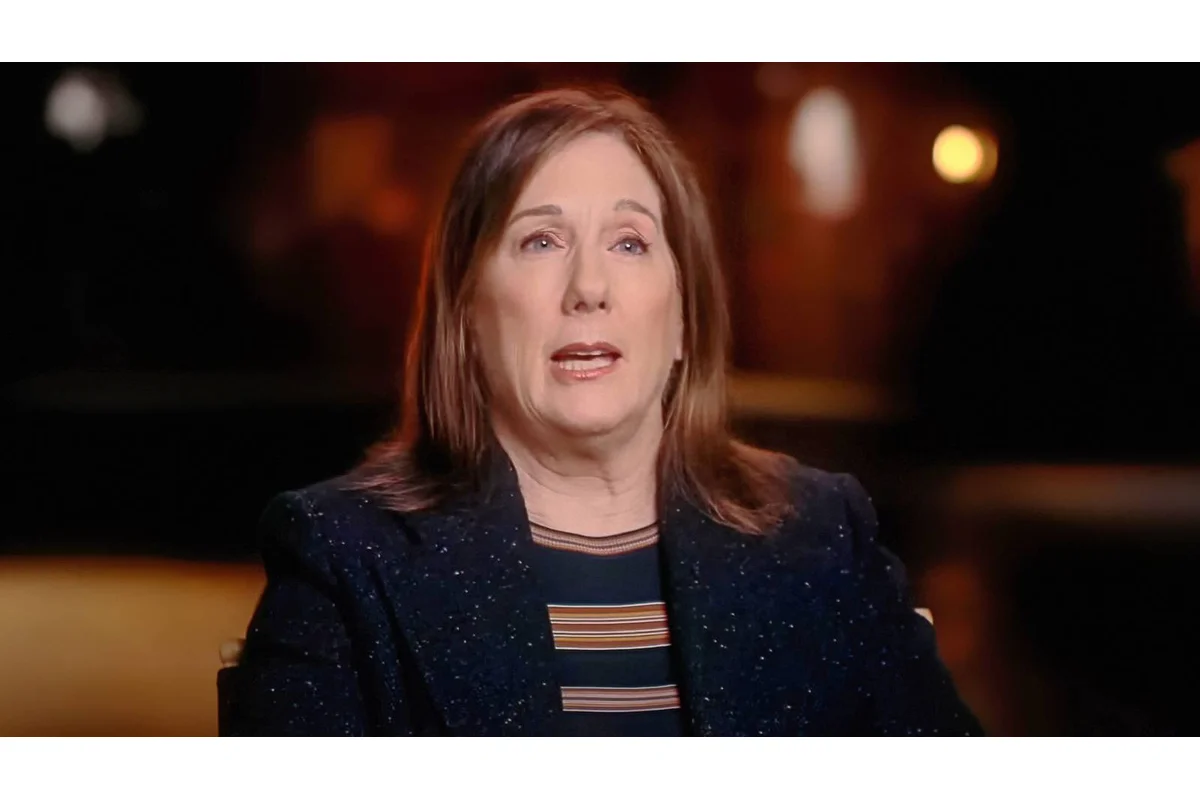
Basically, I was a little bit of a hothead, impatient, and I would be hard on my crew — loving to my cast but tough on my crew,
Steven Spielberg explained. He continued,
[That] was a big shift in my life. I became mindful because somebody I trusted and respected had called me out,
highlighting how Kennedy’s frankness helped him recognize the need for greater respect and patience on set.
Interpreting The Post as a Reflection of Spielberg’s Respect for Kathleen Kennedy
Although Kathleen Kennedy did not produce The Post, the film can be interpreted as an indirect homage from Spielberg to her influence. The movie dramatizes the Washington Post’s challenging decision in 1971 to publish the Pentagon Papers, exposing the U.S. government’s controversial actions during the Vietnam War. The stakes were immense, with the paper’s publisher, Katharine Graham, portrayed by Meryl Streep, risking criminal charges from President Richard Nixon’s administration.
This film underscores the values of courage and integrity in journalism, themes that parallel the loyalty and trust evident in Spielberg’s creative partnerships. Tom Hanks’ portrayal of Ben Bradlee, the newspaper’s executive editor, mirrors Spielberg’s dynamic with Kennedy—he receives much of the public recognition, yet relies heavily on behind-the-scenes support from figures like Graham and, by extension, Kennedy.
Kathleen Kennedy’s Work Ethic and Lasting Impact on Spielberg’s Team
Spielberg’s longtime producer Kristie Macosko Krieger reflected on Kennedy’s example, describing a work ethic defined by dedication and humility. Kennedy was known for being the earliest arrival and the last to leave on set, demonstrating that no task was too small or too important for her attention.
Kathy taught me how to work hard. She was always the first person on set, the last person to leave. There was no job beneath her, no job above her,
Krieger remarked. This ethos became a cornerstone of the collaborative environment behind many Spielberg films.
Through decades of partnership, Kathleen Kennedy not only shaped Steven Spielberg’s career but also influenced the filmmaking culture surrounding him. Her role helped foster an environment where creative vision could thrive alongside mutual respect and rigorous professionalism. This partnership highlights the essential contributions of producers who often remain invisible yet are vital to cinematic success. As Spielberg continues to shape film history, the influence of Kathleen Kennedy stands as a lasting testament to the power of trusted collaboration in Hollywood.
