
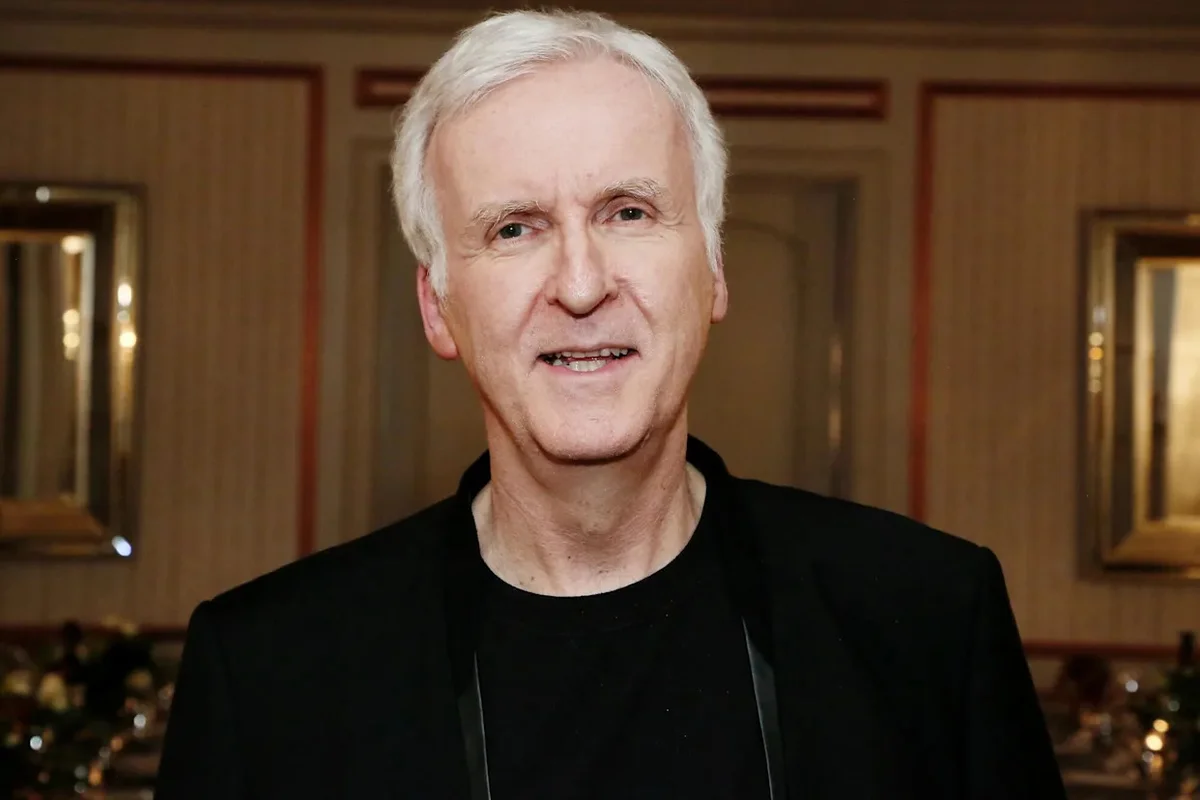
Filmmaker James Cameron, known for directing Avatar: Fire and Ash, shared insights into his evolving understanding of marriage during a recent interview. Speaking on the In Depth with Graham Bensinger podcast amid the press tour for his latest film, Cameron discussed how his experiences through four divorces shaped his views. Now 71 and married to Suzy Amis Cameron since 2000, he revealed key lessons that have helped him maintain a lasting relationship.
From Past Marriages to Present Commitment
Cameron’s marital history includes earlier unions with Sharon Williams, Gale Hurd, Kathryn Bigelow, and Linda Hamilton. He described his previous marriages as brief and turbulent, admitting early struggles to sustain them.
“Let’s contextualize that. That’s a fact, but let’s look at the fact that I was also married four times for less than a year – actively married,”
Cameron said when the host noted the number of his former marriages.
He reflected on these experiences, acknowledging the challenges of maintaining close relationships.
“There was always a little bit of a long sort of decay curve through separation and divorce, but actively married, cohabitating for one year, four times. So I wasn’t very good at it,”
he admitted. Cameron contrasted those early years with his current status:
“And now I’ve been married happily and have earned that happiness, which you find out that you have to work at it for 25 years, and going strong and looking forward to the next 25 years. So, I think it’s a learned art.”
Building a Long-Lasting Partnership
James Cameron met Suzy Amis in 1997 on the set of Titanic, and they married three years later. Together they have three children, and their blended family also includes Suzy’s son Jasper Robards and Cameron’s daughter Josephine Archer Cameron, whom he shares with Linda Hamilton. Reflecting on marriage, Cameron shared a unique perspective on the value of investing in the relationship rather than extravagant ceremonies. He stated,
“put all that effort and energy into the work it takes to really be with somebody relationally for a long period of time.”
Cameron emphasized the importance of understanding what actually makes a partner happy:
“Because you’re constantly learning about the other person. I think you have to make a pact with yourself to actively want to make them happy. Not your version of what should make them happy, but what actually makes them happy.”
He acknowledged that this mindset requires ongoing effort and adaptation, saying, “And that’s a learned thing.”
Shifting Perspectives on Love and Commitment
The director explained how his early approach to love was conditional and self-focused, contributing to his earlier failures.
“Because earlier on, I was very, it was sort of like, conditional. ‘As long as you still love me, I’ll love you.’ Right? Or, ‘As long as this is still worth it for both of us, or even just worth it for me, I’ll be in it. But the second that’s no longer the case, hasta la vista.’ And that doesn’t work. And it took me a while to realize that.”
When asked what prompted his change in mentality, Cameron identified himself as the constant factor in past breakups. Describing his longtime marriage with Linda Hamilton, which lasted seven years despite difficulties, he said,
“Linda Hamilton and I hung on for a long time, long, long after we probably should have. We were together for seven years. And we loved each other, we just didn’t get along, and when you realize that that’s possible — that you can really love somebody but just not get along, not cohabitate, not coexist.”
Learning About Compatibility and Endurance
Cameron admitted that his choice of partners was often based on admiration, but compatibility was sometimes lacking. He reflected,
“I fall in love with people I can learn from. So I fall in love with somebody that I admired greatly. I admired Gale greatly. I admired Katherine greatly. I admired Linda greatly, but I think I didn’t pre-select well enough for people that could stand me, that I could stand them. Everybody’s got their habits and their ways.”
This candid acknowledgment highlights the challenge of balancing personal growth with enduring partnership. Cameron’s journey from youthful impatience to mature understanding underscores the complexities behind sustaining marriage beyond initial attraction and respect.
What These Insights Suggest About Relationships
James Cameron’s experiences underline marriage as an evolving process requiring intention, patience, and continual effort. His advice to invest energy into relational work rather than grand weddings could resonate with many seeking long-term commitment. By embracing what truly brings happiness to one’s partner, Cameron suggests couples can foster deeper bonds even after earlier failures.
With his marriage now spanning more than two decades, Cameron offers a perspective informed by trial and personal growth. As he looks forward to the coming years with Suzy Amis Cameron, his reflections may inspire others navigating the complexities of love and partnership amidst modern challenges.
