
The James Bond franchise is entering a pivotal stage as it prepares for a complete reboot under Amazon’s new stewardship, with a fresh director set to lead the iconic spy saga. Following Daniel Craig’s final portrayal in 2021’s No Time to Die, the search is underway for the next actor to become 007. In this crucial transition, Pierce Brosnan on Spectre offers a critical perspective, underlining lessons the franchise must learn from its past successes and setbacks.
Pierce Brosnan Expresses His Disappointment with Spectre
Pierce Brosnan, who depicted James Bond in four films from Goldeneye (1995) to Die Another Day (2002), has been notably outspoken regarding recent Bond installments. Specifically, he voiced strong dissatisfaction with Spectre, the 2015 entry starring Daniel Craig and directed by Sam Mendes. This film, Craig’s fourth as Bond, follows his pursuit of the villainous Dr. Ernst Stavro Blofeld, leader of the secretive Spectre organization, and attempts to link previous storylines in the franchise.
In an interview with Hitflix, shared by Far Out Magazine, Brosnan revealed his high expectations for Spectre before its release, only to be let down by the final product.
I thought it was too long. The story was kind of weak–it could have been condensed. It kind of went on too long. It really did.
His critique focused on the excessive running time and the diluted storyline, implying that Spectre failed to deliver the compelling narrative it promised.
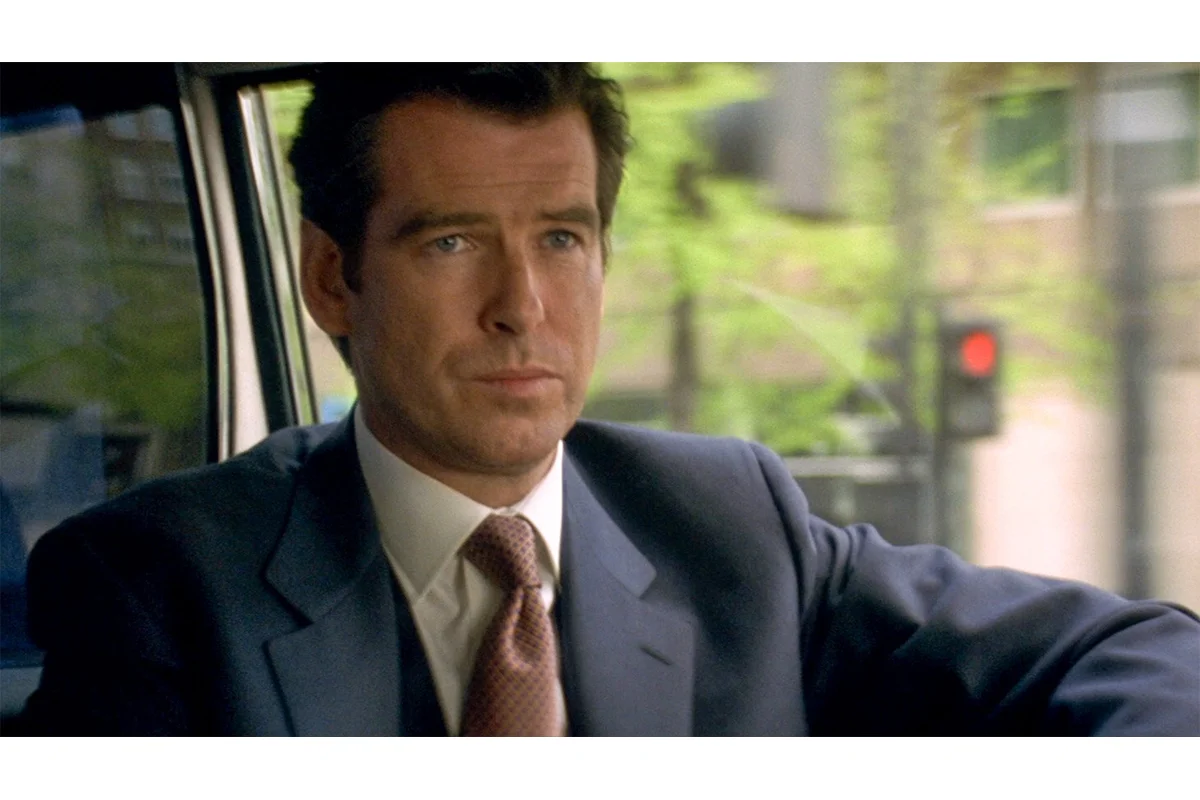
Spectre’s length, at nearly two and a half hours, made it the longest Bond film up to that point, a mark later surpassed by No Time to Die. Despite the extended runtime, the story failed to engage as robustly as expected, echoing Brosnan’s take on its weaknesses. Furthermore, the film’s attempt to retroactively connect standalone storylines through Christoph Waltz’s portrayal of Blofeld was seen as ineffective, weakening the impact of the antagonist and complicating what had been self-contained missions across previous films.
This retcon approach undermined Spectre’s villain, failing to electrify audiences the way previous antagonists had, and undermined the film’s role as an overarching franchise entry. Critics echoed some of these frustrations; Spectre holds a 63% approval rating on Rotten Tomatoes, reflecting mixed opinions, especially a stark contrast to the acclaim for Craig’s prior Bond outing, Skyfall. Despite returning talent like Mendes and Craig, Spectre could not match the high standards set by its predecessor.
The Mixed Legacy of Daniel Craig’s James Bond Tenure
Daniel Craig’s fifteen-year tenure as James Bond, spanning from Casino Royale in 2006 to No Time to Die in 2021, is characterized by significant highs and lows. As the longest-running Bond actor in a continuous run, Craig brought a modern edge and emotional depth to the character, but his filmography also exhibits fluctuations in quality and fan reception.
Craig’s debut, Casino Royale, immediately silenced skeptics by presenting a gritty, fresh take on Bond’s origins. Directed by Martin Campbell—who also worked with Pierce Brosnan on Goldeneye—the film combined intense action with complex character development, establishing a new standard for the series. Casino Royale remains highly regarded for its energetic and immersive storytelling.
However, the follow-up, Quantum of Solace (2008), was widely viewed as underwhelming. The film suffered from a weak villain in Dominic Greene and an unremarkable plot, largely due to a rushed script caused by the 2008 Writers Guild of America strike. This disruption led to a fragmented story and uneven pacing, leaving audiences disappointed after the strength of Craig’s first outing.
Craig’s third Bond film, Skyfall (2012), is often celebrated as among the finest in the series, delivering a personal and emotionally charged narrative that reinvigorated the franchise. Skyfall corrected many missteps of Quantum of Solace and amplified the elements that made Casino Royale successful. The collaboration between Craig and Mendes yielded a film praised for its production values and character exploration.
No Time to Die (2021) marked the end of Craig’s run, concluding with a controversial narrative decision that polarized fans. The film’s ending, which featured Bond’s death, stirred significant debate. Regardless of mixed reactions, Craig is often commended for one of the most intense and nuanced portrayals of the character, positioning him as a contender for the legacy occupied by actors like Sean Connery and Roger Moore.
The Future of James Bond: Industry Shifts and New Directions
As the franchise prepares for its next chapter, major changes are taking shape behind the scenes. In early 2025, Amazon acquired full creative control of the James Bond IP, signaling bold plans to expand and revitalize the series. This new era aims to develop a twenty-sixth film along with several potential spin-offs, striving to build a broader cinematic universe around the iconic spy.
Longtime Bond producer Barbara Broccoli stepped away from her role after three decades, marking an end of an era and underscoring the franchise’s transition. The incoming director for the next Bond film is Denis Villeneuve, known for his critically acclaimed work on Dune and Sicario. Scheduled tentatively for a 2028 release, Villeneuve’s attachment has eased some concerns, as he openly identifies as a passionate James Bond fan determined to honor the character’s legacy while introducing fresh storytelling.
Regarding casting, no official announcements have been made for the new 007. Names like Idris Elba and Henry Cavill, once popular choices, may now be considered too mature for the intended direction. Instead, Amazon seems to favor younger actors, with speculation including Tom Holland, Aaron Taylor-Johnson, and Riz Ahmed. Despite widespread fan interest and rumors, no decisions have been confirmed, leaving the prospective Bond shrouded in mystery.
If Bond 26 succeeds, Amazon is likely to pursue expanding the franchise beyond the central films. Historically, attempts at spin-offs have faltered, but ownership by Amazon may increase opportunities to explore other characters and stories from within the Bond universe. This approach could mark a significant departure from past practices and open new avenues for storytelling in the franchise’s future.
The prospect of change brings both uncertainty and excitement for fans, as the legacy of Daniel Craig’s era, with its ups and downs, gives way to potentially transformative creative leadership. All twenty-five prior James Bond films, including Spectre, remain accessible for streaming on Netflix, allowing audiences to revisit the series’ extensive history as they anticipate what comes next.
