
Mel Gibson has long been associated with the nickname “Mad Mel,” a label that first surfaced during his portrayal of Max Rockatansky in George Miller’s post-apocalyptic film trilogy. Despite the widespread usage of this moniker since the 1980s, Gibson insisted that he was not actually mad. The nickname stuck largely because of his volatile temperament and unpredictable behavior over the years.
Gibson’s reputation for a short fuse and controversial viewpoints only reinforced the association. His history includes incidents like drunken altercations before filming and outspoken promotion of conspiracy theories long before they became mainstream. Furthermore, his public statements have often drawn criticism for their sexist, misogynistic, and homophobic tones, adding layers to the complex public perception behind the “Mad Mel” label.
Controversies Surrounding Mel Gibson’s Public Image
The actor’s persona took a darker turn after a widely publicized fall from grace involving antisemitic remarks caught on tape. He attributed this outburst to an alter ego named Bjorn the Viking, a claim that further complicated his public image. Despite these controversies, Gibson remained a two-time Academy Award winner whose career decisions continued to spark conversation.
Mel Gibson’s Stance on Playing Batman
Interestingly, Gibson has revealed that there was one particular role he would have only accepted for an extraordinary amount of money: Batman. This revelation came in July 1989 during an interview with the Phoenix New Times, when Gibson addressed rumors about rejecting the lead role in Tim Burton’s 1989 Batman film. He denied turning down the role due to principle, instead making it clear that money was the deciding factor.
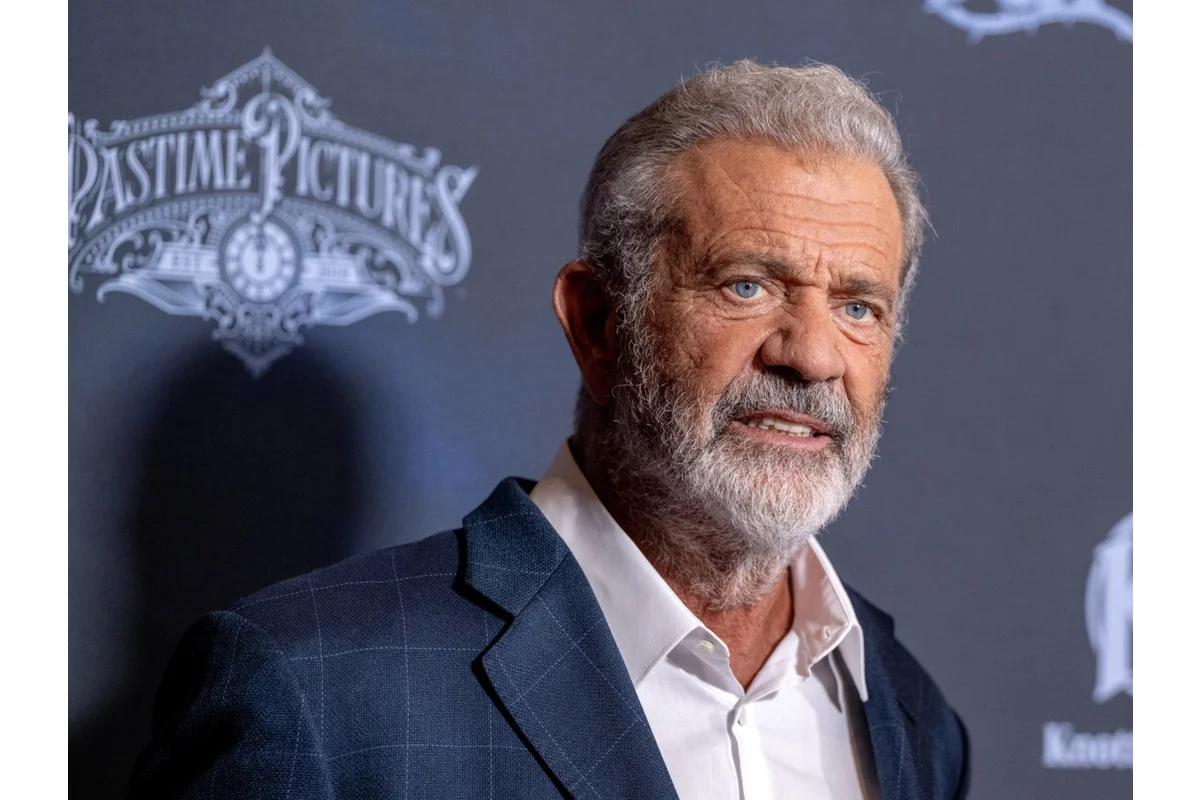
Well, let’s put it this way,
he said.
I’d have given it some serious consideration if they offered me a lot of money. $90 million? Sure, I’d have done it. I may be a lot of things, but I’m not mad.
Mel Gibson, Actor and Filmmaker
The Reality Behind the Batman Offer
Though Gibson publicly rejected the claim that he turned down Batman because he was unwilling or uninterested, he later confirmed he had been offered the role on three separate occasions. Each time, he declined—most likely due to the studios’ refusal to meet his high salary demands. This contradicted his prior statements, revealing a more complicated truth behind his relationship with the Batman character and his image as “Mad Mel.”
Instead of avoiding the role on principle, it appears his decision stemmed from financial factors, highlighting Gibson’s pragmatic side underneath his often volatile exterior. His demand for $90 million was far beyond the standard pay for such a role at the time, which may explain why producers ultimately cast Michael Keaton as Batman.
The Significance of Gibson’s Batman Revelation
This insight into Gibson’s career decisions sheds light on the complexities behind his public persona and reveals the influence money and image have on actors’ choices. Gibson’s willingness to accept such a large payday contradicts the idea that he was simply “mad” or difficult in all circumstances, showing instead a calculating dimension to his fame.
For fans and critics alike, this story adds depth to the ongoing conversation about Mel Gibson’s place in Hollywood history. It underscores the tension between the volatile image he has cultivated and the strategic decisions involved in managing a high-profile career. As Hollywood persists in revisiting iconic roles and casting legends, Gibson’s revelation about the “Mel Gibson Batman role” stands as a striking example of the unknown stories behind the scenes in film history.
