
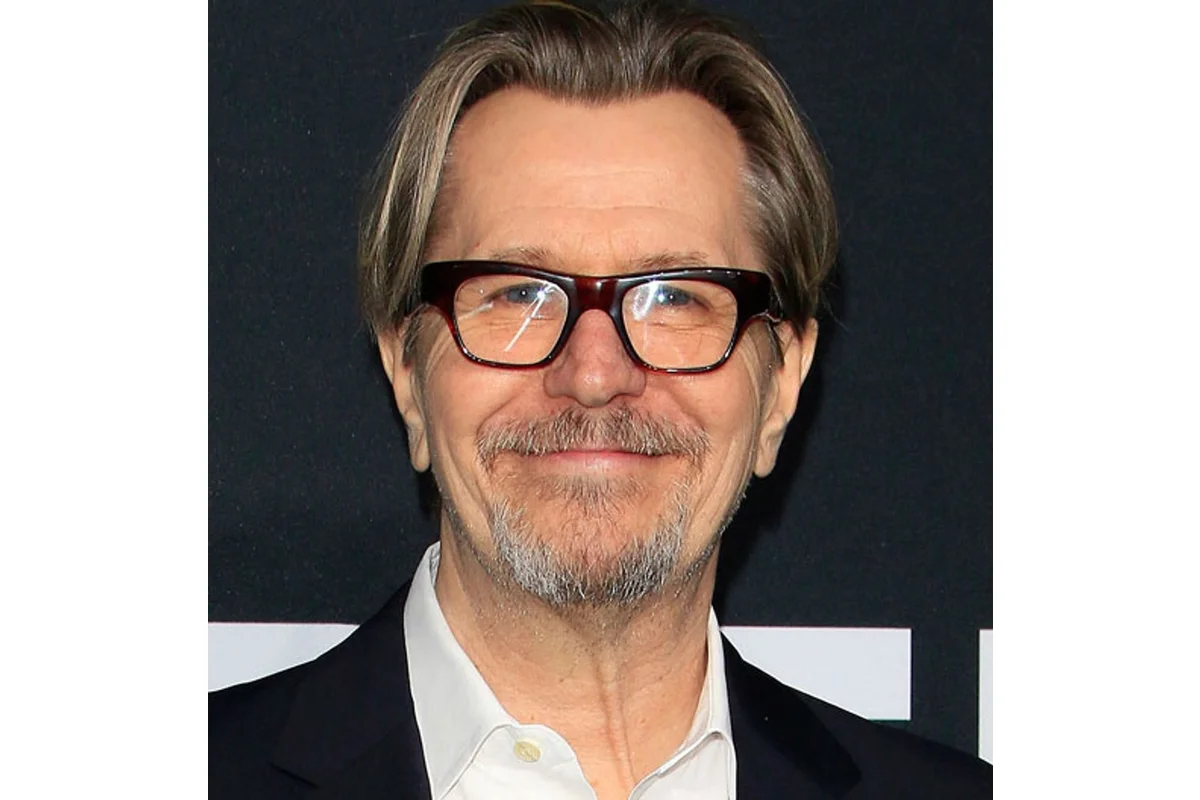
Gary Oldman experienced a severe rupture with director Rod Lurie during the filming of the 2000 political drama The Contender, exposing the challenges of maintaining creative harmony on a high-stakes movie set. This dispute occurred while the film, centered on a senator’s bid to become the first female Vice President, was in production, threatening both the artistic vision and overall success of the project.
The core issue stemmed from clashing ideological perspectives between Oldman, who portrayed a strongly Republican figure, and Lurie, a director with Israeli background and industry ties that allegedly influenced the film’s political tone. Oldman, feared sidelined by last-minute edits influenced by major Jewish executives, confronted the consequences of these conflicts on set and beyond.
Background of the Disagreement and Key Figures Involved
Rod Lurie, formerly a film critic and army veteran known for his combative nature, was no stranger to controversy. His transition from media to directing was marked by a brash style that did not always endear him to actors, especially established stars like Oldman. Overlapping political pressures and creative control battles intensified tensions during The Contender, with Lurie reportedly pressured by industry heavyweights such as Steven Spielberg, Jeffrey Katzenberg, and David Geffen.
Douglas Urbanski, Oldman’s manager, publicly stated the influence these figures had on the film’s release strategy, explaining,
If your names are Spielberg, Katzenberg and Geffen, you can’t have a film with a Republican character who is at all sympathetic being released (on the Jewish holiday) Oct. 13th.
Urbanski’s comment highlighted perceived external motivations behind changes to the film’s narrative and schedule.
Changes Made to the Film and Oldman’s Reaction
Lurie recut The Contender shortly before release, trimming nearly 15 minutes and adding music that altered the film’s tone. Both Oldman and Urbanski believed that these revisions shifted the audience’s perception, undermining Oldman’s character, who was originally portrayed as the story’s hero. This transformation created a rift between Oldman and Lurie, exacerbated by the director’s unwillingness to defend Oldman during disagreements, which left the actor feeling deeply betrayed.
Oldman expressed his disappointment clearly:
To have a friend and director not go in and fight for you is just deeply, deeply disappointing. . . . I am very hurt by it.
His words reveal the emotional toll the ordeal took, underscoring the fraught atmosphere on the set.
Reception of the Film and Continuing Fallout
Despite behind-the-scenes turmoil, The Contender was well-received by critics, earning two Oscar nominations and praise for Oldman’s performance. The actor even received a personal call from Dustin Hoffman commending his work. Nevertheless, Lurie remained unimpressed by Oldman’s stance, dismissing his reaction as typical actor behavior:
Gary is emblematic of what many actors go through: A kind of Stockholm syndrome in which they begin to sympathise with their captors, and in this case, the captors are the characters they play.
Through this intense conflict, Oldman’s experience serves as a cautionary example of how creative and political differences between actors and directors can profoundly affect both morale and the final product in Hollywood productions.
The Broader Impact of On-Set Disputes in Hollywood
The clash between Gary Oldman and Rod Lurie on The Contender illustrates the complex dynamics in filmmaking where personal beliefs, political pressures, and artistic control collide. Such conflicts can endanger films with substantial budgets and critical acclaim prospects, showing that even celebrated actors and directors are not immune to professional discord. Going forward, managing these tensions carefully remains essential to safeguarding both creative integrity and collaborative success in the industry.
